
A policy analyst has proposed an integrated peace architecture for Bawku combining traditional authority, state responsibility and citizen accountability following the completion of mediation efforts led by Otumfuo Osei Tutu II.
Benjamin Anyagre Aziginaateeg of the African Continental Union Consult Ghana Chapter issued the proposal in a position paper examining how Ghana can move beyond agreements to consolidate tangible and lasting peace in the conflict affected area. The paper acknowledges Otumfuo’s historic mediation report presented to President John Dramani Mahama as demonstrating respect for Supreme Court rulings.
According to the paper, “The choice is clear, allow old grievances to fuel instability and underdevelopment, or unite behind a future of shared prosperity.” The proposal argues that despite mediation efforts, Bawku remains trapped in cycles of mistrust, insecurity and strategic misinformation.
The position paper warns that inflammatory rhetoric, irresponsible media narratives and politicization of the conflict threaten to erode mediation credibility. More critically, the security fragility of Ghana’s northeastern corridor intersects with expanding regional threats as jihadist incursions in neighboring countries present clear danger where unresolved internal conflicts can become gateways for external destabilization.
Prolonged unrest has crippled development, entrenched poverty, weakened social cohesion and undermined public confidence in state institutions, particularly in security and equitable service delivery. The paper emphasizes that traditional Alternative Dispute Resolution has proven its worth but requires disciplined implementation.
ACUC proposes that government must endorse Otumfuo’s report as both a cultural covenant and national peace blueprint, treating any sabotage through reckless speech or media sensationalism as a threat to national security. The proposed Bawku Revitalization Fund under Finance Minister Ato Forson must be a transparent trust compact delivering tangible infrastructure, livelihoods and economic revival with accountability and citizen oversight.
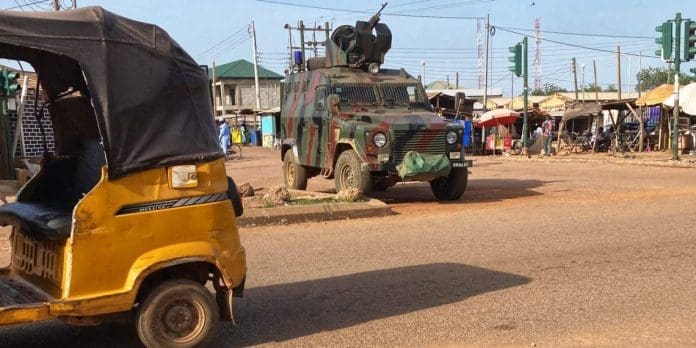
On security, the paper calls for gun violence to trigger immediate impartial investigations free from political interference. The Police Service requires enhanced resources to lead internal security while the military’s role should be carefully defined to avoid normalizing militarization of civic life.
The proposal emphasizes that Kusaug’s history shows deep integration through generations of intermarriage among Kusaa, Mamprusi, Bimoba, Mossi, Fulani, Hausa and Gonja communities. These bonds make division artificial and self-destructive, requiring elevation into a conscious shared civic ethic.
The position paper argues that the dominant agenda must shift from ethnic suspicion to collective fight against poverty. Restoring dignity through job creation, enabled investment and youth empowerment represents the urgent task that unites all communities in the area.
The framework attempts to address how traditional mediation outcomes can be translated into daily security, economic recovery and restored social trust. It questions how diverse communities of Kusaug can collectively safeguard their shared future against division, manipulation and underdevelopment.
Ghana’s tradition of conflict resolution uniquely blends constitutional governance with indigenous mediation systems. Otumfuo has been instrumental in modernizing traditional ADR, applying its historical depth, cultural legitimacy and moral authority to the protracted chieftaincy dispute in Bawku.
The proposal comes as government considers implementation of recommendations from the mediation process. President Mahama received the report alongside Vice President Jane Naana Opoku Agyemang, signaling high level political engagement with the peace process.
ACUC emphasizes that what remains is disciplined implementation of traditional ADR findings, underpinned by ethical governance and collective responsibility. The paper positions peace consolidation as prerequisite for development in the Kusaug area.