By Franklin ASARE-DONKOH
Stakeholders drawn from Civil Society Organisations (CSOs), Non-Governmental Organisations (NGOs), and Metropolitan, Municipal and District Assemblies (MMDAs) are advocating the inclusion of Water, Sanitation and Hygiene (WASH) education in Ghana’s basic school curriculum.
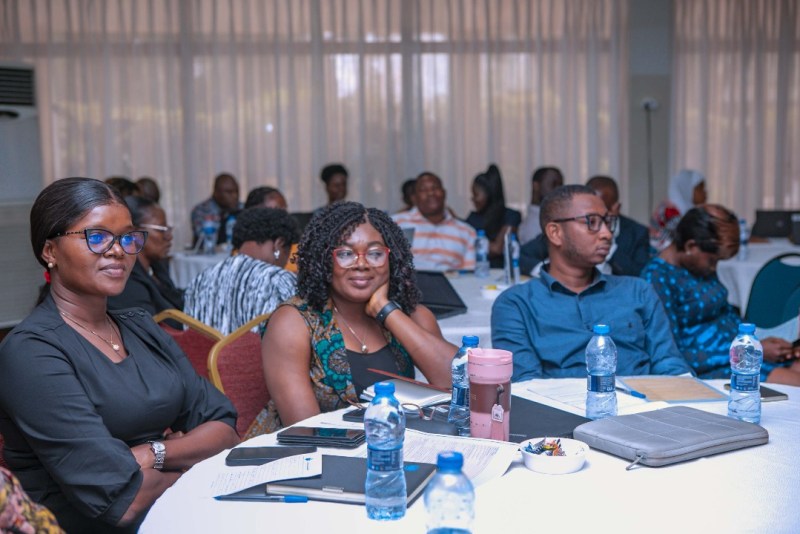
The call was made during the 106th edition of the National Level Learning Alliance Platform (NLLAP), hosted by IRC in collaboration with the National Development Planning Commission (NDPC), CONIWAS, WaterAid, other partners, and the respective District Assemblies, in Accra.
They argued that integrating WASH into the curriculum would ensure that students receive a comprehensive education on WASH issues from an early age.
According to the group, the push for WASH education in basic schools is driven by the recognition that it can promote good hygiene practices, improve health outcomes, and support sustainable development, all of which have a significant impact on the health, well-being, and productivity of individuals and communities.
Behavioural change towards negative environmental practices has been a key factor contributing to poor WASH outcomes in schools, healthcare facilities, and communities. Based on this, the group believes that making WASH a standalone subject could encourage individuals to adopt positive hygiene and sanitation habits.
“WASH education can help prevent the spread of diseases, reduce morbidity and mortality rates, and contribute to sustainable development by promoting water conservation, sanitation, and hygiene practices. WASH content should be age-appropriate and tailored to the needs of different age groups. By including it in the curriculum, stakeholders can work together to promote good hygiene practices, improve health outcomes, and support sustainable development,” some participants said.
The 106th NLLAP focused on the theme “Strengthening local systems to deliver safe and sustainable WASH services: Reflections on district-wide approaches towards meeting the targets for SDG 6.”

The session reflected on Ghana’s progress towards SDG 6, shared lessons from district-wide WASH interventions, and highlighted how local governments and partners are collaborating to deliver services in diverse contexts.
It also explored how WASH plans are being integrated into Medium-Term Development Plans, examined what is working and what is not, and provided an opportunity for learning, dialogue, and the development of actionable recommendations to enhance planning and replicate successful approaches.
Some of the MMDAs featured during the session were Asutifi North, Asunafo South, Asunafo North, Tano North, Bongo, and Upper Denkyira Municipality (UDEM). The Upper Denkyira Municipal Health Directorate of the Ghana Health Service (UDEMHD-GHS) and the Neglected Tropical Diseases (NTD) Unit within the Ghana Health Service (GHS–National NTD Unit) also made presentations.