

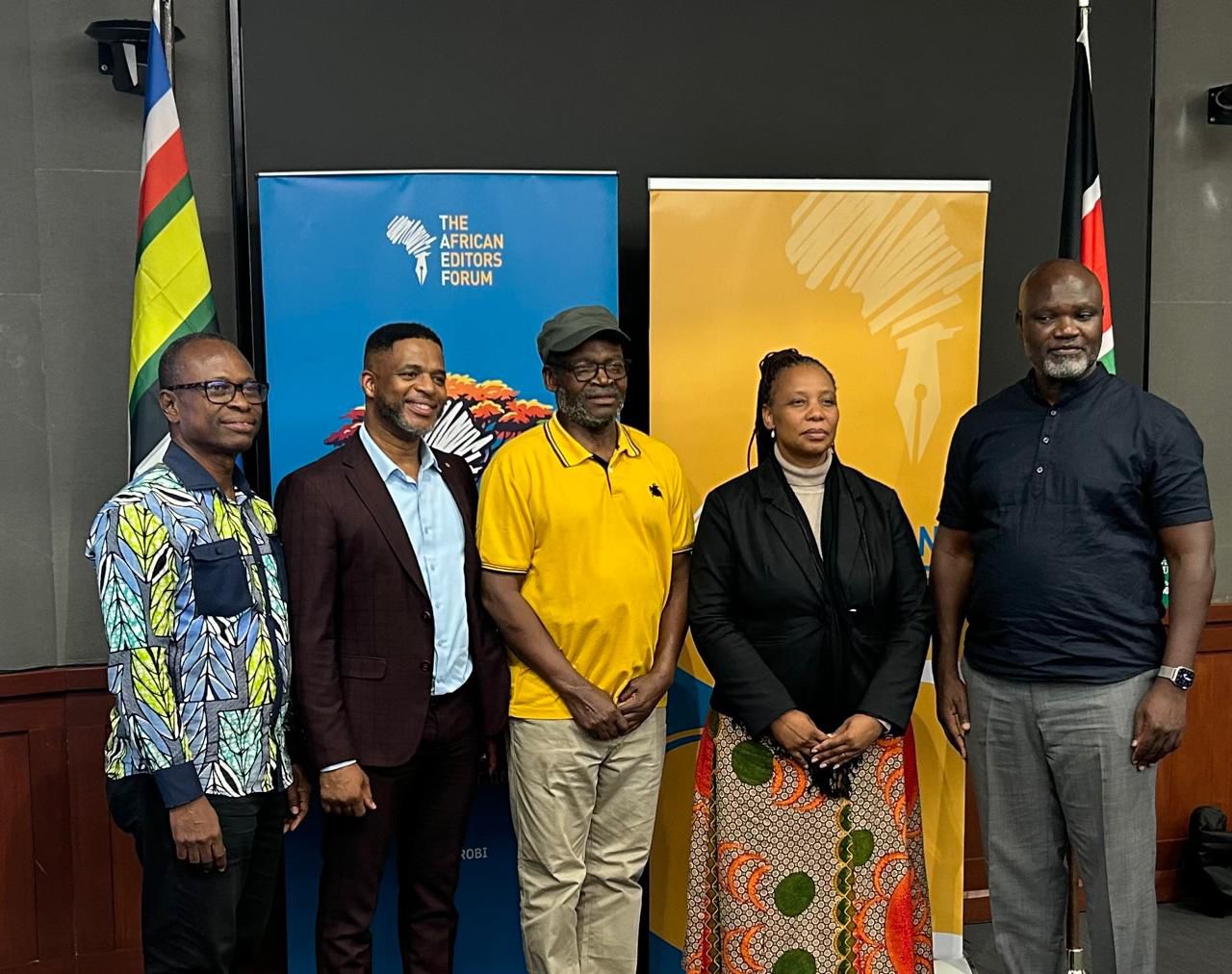
The African Editors Forum (TAEF) has announced a multi-faceted reform agenda to ensure the future of independent journalism in Africa.
Editors representing national and regional editors’ organisations across the continent adopted the forward-leaning reform agenda at the Bi-annual General Meeting of TAEF, held at the conclusion of the inaugural Africa Editors Congress in Nairobi, Kenya.
In a press release issued at the end of the meeting, TAEF resolved to move toward structured, policy-driven interventions to secure the future of independent journalism in Africa.
The editors set the following strategic priorities as its members committed to advocating reforms in Africa’s media policy and legal landscape to promote sustainable, independent journalism.
– Engaging tech platforms, government, competition authorities and other information ecosystem role players on ways to secure the future of journalism and universal access to news in the public interest.
– Strengthening protections and duty of care for journalists in increasingly hostile digital and political environments.
– Defining clear instruments and minimum standard for affiliation to consolidate a strong, accountable continental network of editors’ organisations.
– Building a structured fundraising strategy to ensure TAEF’s institutional sustainability.
And expanding the Executive Committee to include regional chairs and presidents, enhancing representation and coordination across Africa.
During the elections that were held for the TAEF Executive Council for a two-year term; Churchill Otieno of Kenya was re-elected President. Emmanuel K Dogbevi of Ghana was re-elected Vice President. Sibusiso Ngalwa of South Africa was elected Secretary-General. He was previously the Treasurer, and Jeannie Pao Olesitse of Botswana was elected Treasurer.
Commenting after the elections, President Churchill Otieno said: “Africa’s editors are entering a new phase of continental coordination. Our focus is clear fair, value for journalism, credible policy engagement and institutional strength. We are determined to ensure that journalism is treated not as disposable content, but as democratic infrastructure essential to Africa’s development.”