

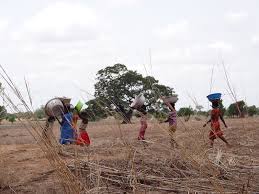

The Chamber of Agribusiness Ghana (CAG) believes the country’s food insecurity report is a national alarm bell.
The Ghana Statistical Service (GSS) reported this month that the food insecurity is worsening, with 12.5 million people (roughly 38.1 percent of the population) facing difficulties accessing adequate food as of early 2026.
Over 44 percent are experiencing food insecurity. The Chamber notes that when over 13 million Ghanaians face hunger risks there is a systemic challenge that touches agriculture, climate resilience, market systems, post-harvest losses, income inequity and urban vulnerability.
Food insecurity at this scale means households are skipping meals, compromising diet quality and becoming more exposed to health and economic shocks. The Chamber notes that climate variability is disrupting rainfall patterns and yields, especially for smallholder farmers who depend on rain-fed systems.
Weak value chains and post-harvest losses continue to erode food availability and farmer incomes. CAG-CEO Anthony Morrison advocates that the country must scale climate-smart agriculture, invest in irrigation expansion, strengthen local seed systems, promote soil restoration and modernise storage infrastructure to reduce losses.
Youth engagement in agribusiness innovation is no longer optional, it is essential.
Post Views: 9
Discover more from The Business & Financial Times
Subscribe to get the latest posts sent to your email.