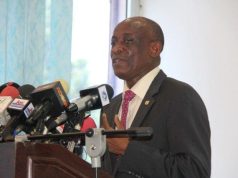


The Ministry of Trade, Agribusiness and Industry launched its 2025/2026 National Service orientation for 26 recruits at the Ministry’s Conference Room in Accra, providing practical exposure to policy design, trade facilitation and industrial development frameworks.
Directors and team leads from across the Ministry briefed new personnel on operational roles, expectations and standards within key units during the ceremony. The orientation highlighted the Ministry’s expanding focus on trade policy, industrial value-chain expansion and agribusiness transformation as part of efforts to bridge academic learning with real-world economic applications.
Kobena Ebo Quayson, Director for Special Economic Zones Development, presided over the ceremony on behalf of the Chief Director. He encouraged recruits to leverage the experience to shape their professional paths while contributing to public service objectives aligned with national economic priorities.
Quayson emphasized that the Ministry plays a vital role in the country’s economic progress and offers significant learning opportunities during the one-year mandatory service period. He described the institution as strategic, noting it can define career trajectories for young professionals entering the workforce.
The Ministry committed to providing a supportive environment offering hands-on engagement in technical and administrative directorates. Quayson stressed that initiative, curiosity and commitment are essential for recruits to maximize opportunities available within the institution’s various departments and policy units.
Directors outlined operational frameworks covering trade facilitation, export development, industrial policy implementation, special economic zones management, and agribusiness sector coordination. The briefings provided recruits with comprehensive understanding of how the Ministry supports Ghana’s economic competitiveness through regulatory frameworks and strategic interventions.
The session concluded with an interactive dialogue allowing recruits to seek guidance, clarify expectations and engage directly with senior officials. Participants asked questions about career development pathways, specific departmental responsibilities and opportunities for skills development during their service year.
National Service personnel deployments to economic ministries typically focus on building capacity in public policy implementation while exposing graduates to government operations. The Ministry of Trade, Agribusiness and Industry handles critical functions including trade negotiations, industrial licensing, export promotion and private sector development coordination.
The orientation marks the start of recruit contributions to advancing Ghana’s trade competitiveness, industrial growth and agribusiness development over the coming year. Personnel will be assigned to various directorates based on educational backgrounds and departmental needs, with opportunities to participate in policy research, project coordination and stakeholder engagement activities.
Ghana’s National Service Scheme requires all tertiary graduates to complete one year of service in approved organizations before formal employment. The program aims to expose young professionals to practical work environments while contributing to national development objectives across public and private sectors.
The Ministry’s intake reflects broader government efforts to strengthen institutional capacity in economic planning and implementation. Trade, agribusiness and industrial development remain priority areas for Ghana’s economic transformation agenda, requiring skilled personnel to support policy design and execution.