

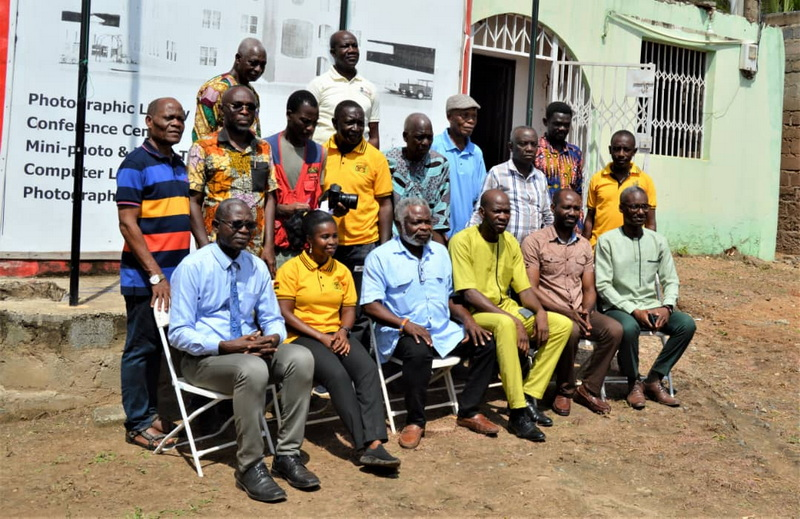
A new pathway has been created for photographers without formal academic qualifications to gain recognised certification, following the introduction of special courses at the University of Media, Arts and Communication – Institute of Film and Television (UniMAC-IFT).
The initiative was announced at a stakeholders’ forum held at Oyarifa in Accra, under the theme “The Future of the Ghanaian Photographer in This Digital Era,” which brought together industry players to deliberate on professional development and the evolving demands of photography.
The newly introduced courses are aimed at bridging the long-standing gap between practical, apprenticeship-trained photographers and those with formal academic backgrounds, many of whom hold certificates that enhance their career progression.
President of the Ghana Union of Professional Photographers, Mr Dan Selasie, highlighted the difficulties faced by practitioners who have acquired skills through apprenticeship but lack recognised certification.
“Not the ones who went through formal education in photography. Most of them went through apprenticeship, but when they want to upgrade, they go to technical schools. Previously, we did not have a department in what we used to call the polytechnic,” he said.
He explained that although institutions exist to train photographers, a significant number of practitioners remain at a disadvantage due to the absence of formal qualifications.
“The transition of those under traditional apprenticeship into the formal system is where the problem lies. Most of them are operating within institutions, such as media houses, ministries, PR departments, and so on. But because they are mainly practical and have not gone through the formal system, the certificates they received from their master craftsperson make it difficult for them to progress, even in their jobs,” he noted.
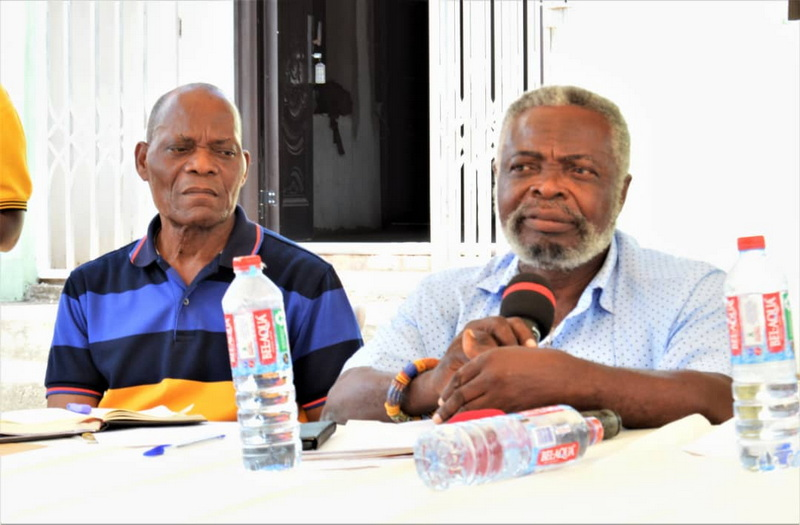
According to him, efforts are underway to resolve the challenge through collaboration with the Commission for Technical and Vocational Education and Training (CTVET).
“That is what we are addressing. We are now working through the Commission for Technical and Vocational Education and Training, and I believe very soon we will come out with a mechanism that will give them recognised certification to support their progress,” he added.
Touching on why the intervention has taken time to materialise, he cited bureaucratic constraints within government systems.
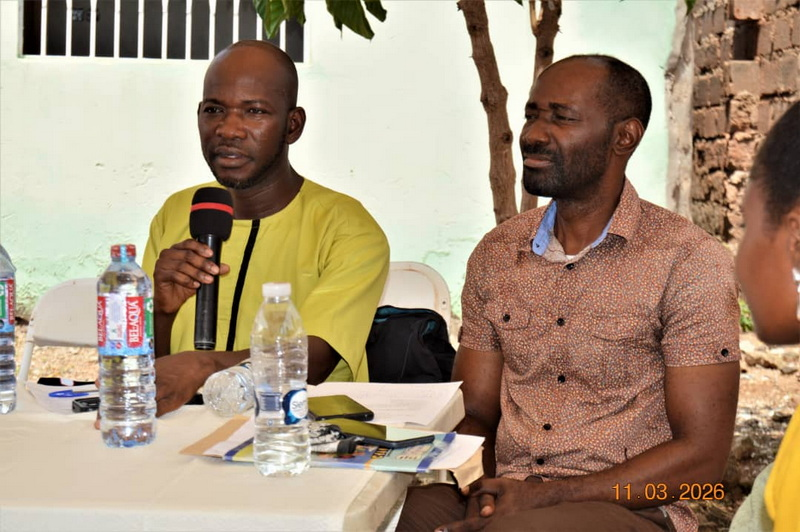
“It is very difficult dealing with government institutions, especially when they already have a laid-down framework. Trying to push them becomes a challenge. Sometimes they will tell you that unless a bill is designed and sent to Parliament for approval, progress cannot be made. At times, when a new administration comes in, we have to start the process all over again,” he said.
He, however, expressed optimism about ongoing efforts, noting that recent discussions have placed the issue firmly on the agenda, with steps being taken to push it forward.
At the centre of the initiative is UniMAC-IFT’s Department of Production Techniques, which runs both certificate and diploma programmes, including flexible weekend options designed for industry practitioners. The institution is also introducing short-term courses, including a three-month certificate programme, to provide formal recognition for photographers already working in the field.
A lecturer at the Institute of Film and Television, Dr Joseph Aketema explained that the courses have been structured to accommodate professionals already active in the industry who seek to formalise their expertise.

“The Department of Production Techniques offers editing, with a strong focus on picture photography and some production. We run both certificate and diploma programmes, including weekend options. Over the years, most of our clients have been industry practitioners who already know their work but come to learn the principles, theories and applications,” he said.
He added that the growing demand for formal documentation in professional practice informed the introduction of the short-term certification.
“In some of the jobs I have worked on, including assignments linked to international institutions, photographers are asked to submit their portfolios and biographies. Even when the person knows the job, they are still required to present credentials. That is what led to the idea of introducing a short certificate programme, including a three-month course, to give practitioners recognised certification,” he explained.
Dr Aketema, further stressed the need for photographers to adapt to technological changes, document history, and properly archive their work, noting that images remain powerful tools for preserving national memory and shaping narratives.
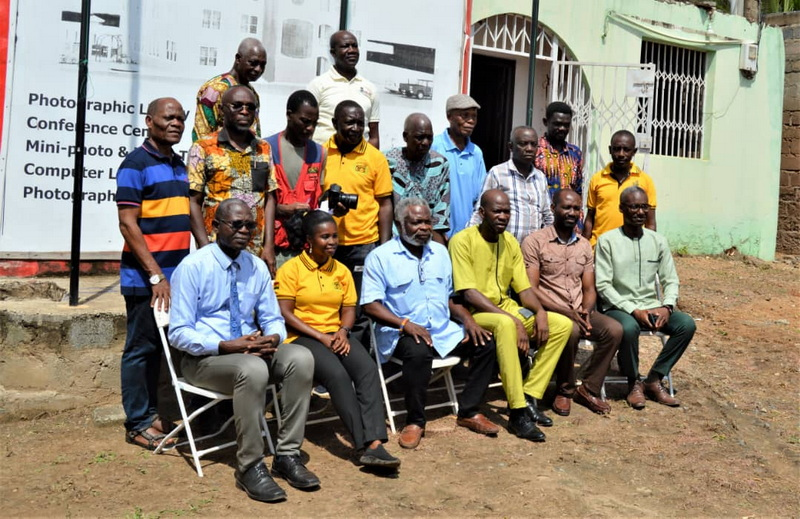
Speakers noted that while the digital era has democratised photography and expanded opportunities, it has also intensified competition, making continuous learning, certification, and adaptation essential for survival.
DISCLAIMER: The Views, Comments, Opinions, Contributions and Statements made by Readers and Contributors on this platform do not necessarily represent the views or policy of Multimedia Group Limited.
DISCLAIMER: The Views, Comments, Opinions, Contributions and Statements made by Readers and Contributors on this platform do not necessarily represent the views or policy of Multimedia Group Limited.
Source link