

By Joshua Worlasi Amlanu
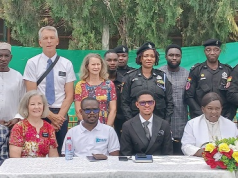
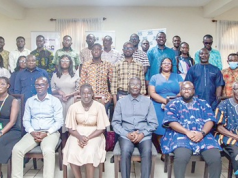
The United States is scaling its technology engagement in West Africa, training more than 100 professionals across Ghana, Nigeria and Liberia in artificial intelligence (AI) as part of a broader effort to shape regional adoption standards and digital skills development.
The programme, delivered through US Embassy American Spaces in Accra, Abuja, Lagos and Monrovia, prioritised practical AI deployment over theoretical instruction.
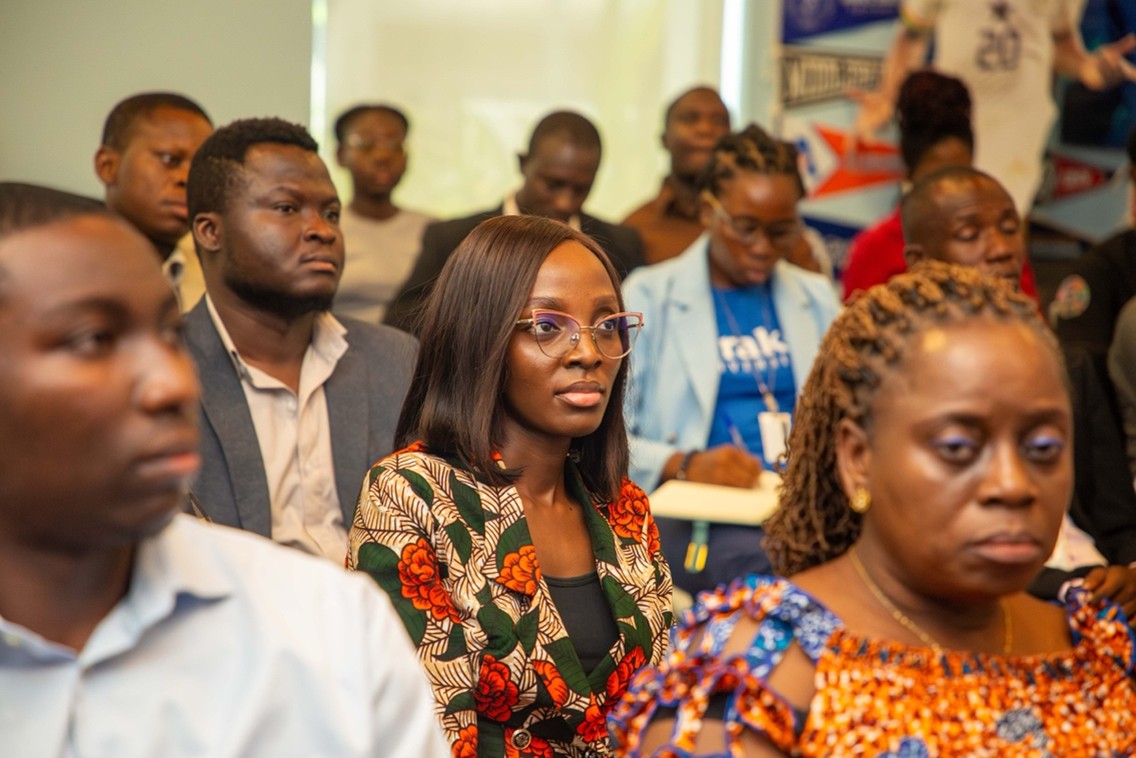
Organised by the Regional ESTH Hub for West and Central Africa, it brought together participants from sectors including finance, journalism, architecture and security, who were trained in prompting techniques, governance frameworks and applied use cases—signalling a shift toward workforce-ready digital capabilities.

The initiative, themed “West Africa Regional Training: Essentials of American AI Knowledge, Skills, and Governance Standards,” combined in-person and virtual participation to support cross-border learning. Sessions were co-facilitated by Perry Nelson, Head of Google Research in Accra, and Jason Hickey, with an emphasis on real-world applications and ethical standards guiding AI adoption.
The training aligns with Washington’s push to extend its AI policy influence globally following the launch of its Artificial Intelligence Action Plan in July 2025.
Speaking during the programme, Chargé d’Affaires at the US Embassy in Ghana, Rolf Olson said the US is prioritising “open, secure, and reliable digital ecosystems” that support innovation while safeguarding transparency and freedom of expression.
The programme comes as policymakers and investors increasingly view AI as a potential growth driver for Africa’s economies.
Mr. Olson noted that West and Central Africa’s population, estimated at nearly 350 million people under the age of 30, presents a significant user and talent base for emerging technologies. Some projections suggest AI could contribute as much as US$2.9 trillion to the continent’s economy by 2030.
Beyond macroeconomic potential, the training highlighted sector-specific applications, including healthcare delivery, agricultural productivity, climate monitoring and education access. Organisers positioned the initiative as part of a broader strategy to close the region’s AI skills gap while enabling early-career professionals to access new employment pathways.
The involvement of Google underscores growing private-sector interest in the region’s digital economy. US officials pointed to recent investments in AI innovation in Ghana as evidence of increasing collaboration between governments, academia and technology firms to scale infrastructure and expertise.
American Spaces, which served as the delivery platform, have become a key channel for US-backed capacity-building across entrepreneurship, STEM education and emerging technologies in West Africa.
The network’s expansion signals a structured approach to embedding US technology standards and partnerships within local innovation ecosystems.
Post Views: 2
Discover more from The Business & Financial Times
Subscribe to get the latest posts sent to your email.