
Vice President Professor Naana Jane Opoku-Agyemang has called on Ghanaian parents living abroad to present Ghana as a welcoming home to their children, emphasizing that national identity shouldn’t fade across generations despite the distance.
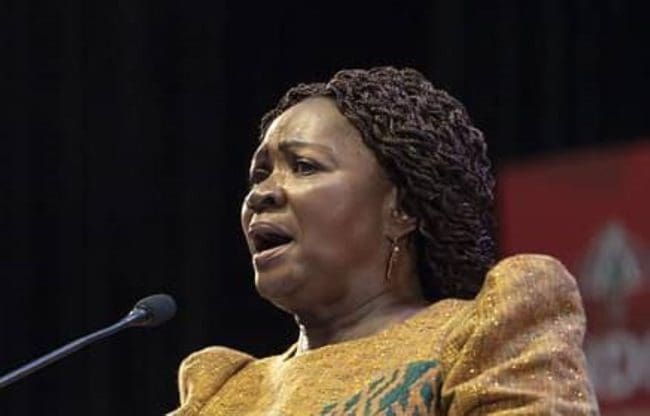
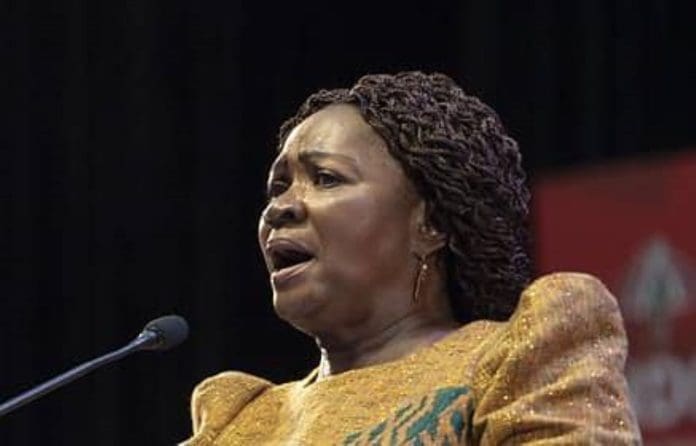
Speaking during a community engagement in Brussels, the Vice President addressed a gathering that included chiefs, elders, members of the Ghana Council, and young Ghanaians making their mark in Belgium. The meeting, which took place during her official trip to Brussels for the European Union’s Global Gateway Forum, provided an opportunity to discuss concerns ranging from youth discipline to environmental protection.
“Parents should portray Ghana as a home where everyone belongs to their children abroad,” she told the gathering, urging the diaspora not to use Ghana as a cautionary tale when raising children in foreign lands. Instead, she wants them to foster pride and connection to their roots, even for second and third generation Ghanaians who may never have set foot on home soil.
The appeal reflects growing recognition that Ghana’s diaspora community, estimated at over three million people worldwide, plays a crucial role not just in remittances but in shaping how the country is perceived internationally. When diaspora children grow up hearing only negative narratives about Ghana, they’re less likely to invest emotionally or financially in the nation’s future.
Professor Opoku-Agyemang didn’t limit her message to parents, though. She turned her attention to young Ghanaians abroad with a straightforward reminder about choices and consequences. The Vice President called on the youth to maintain discipline and stay focused, warning them that every action has consequences. It’s the kind of practical advice that suggests she understands the particular pressures facing young people navigating life between two cultures.
The conversation also touched on labor migration, a sensitive topic given that thousands of Ghanaians seek opportunities abroad each year. She emphasized the need to protect and respect Ghanaian workers who travel abroad with quality Ghanaian training, acknowledging that these workers carry Ghana’s reputation with them. Their skills and work ethic reflect directly on the country’s education and training systems.
But here’s where the message gets interesting: rather than simply encouraging diaspora Ghanaians to stay connected, the Vice President outlined concrete government initiatives designed to make returning home economically viable. She highlighted the Adwumawura Programme and the 24-Hour Economy Policy, which aim to expand employment opportunities both locally and for Ghanaians in the diaspora who wish to return home.
The Adwumawura Programme, specifically targeting skilled workers, represents an attempt to reverse the brain drain that has seen some of Ghana’s best trained professionals settle permanently abroad. Meanwhile, the 24-Hour Economy Policy seeks to create round the clock business operations, theoretically multiplying job opportunities and making Ghana’s economy more competitive regionally.
The Vice President expressed appreciation for the diaspora’s continued support and contributions to national development, encouraging them not to forget home. She assured them that government remains willing to sustain initiatives bringing tangible benefits to communities across Ghana.
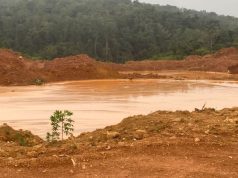
The Brussels meeting also addressed environmental concerns, particularly illegal mining known locally as galamsey. Professor Opoku-Agyemang said government remains fully committed to ending the menace of galamsey, noting that while Ghana has mined for generations, the current environmental degradation is unprecedented. New measures include banning mining in forest reserves and water bodies, though she acknowledged the cleanup will take time.
Food safety emerged as another priority, with the Vice President assuring the community that government is working closely with researchers to improve soil testing and promote safe agricultural practices. For diaspora Ghanaians who send food items home or worry about what their visiting relatives consume, these assurances matter practically.
Her closing statement captured the administration’s aspirations succinctly. Together, she said, Ghanaians at home and abroad can build a nation offering opportunities, fairness, and dignity. Whether that vision materializes depends partly on whether diaspora communities heed her call to stay engaged rather than gradually drifting away from their roots.