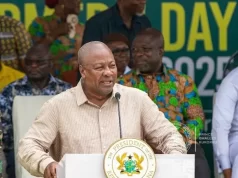


Western Regional Minister Joseph Nelson has proposed leveraging the District Road Improvement Programme to train machine operators and technicians through the Youth Employment Agency, potentially creating thousands of jobs while ensuring effective equipment utilization.
Nelson outlined his vision during an orientation program for District Coordinators in the Western Region, where 49 coordinators from Western North, Western, and Central regions participated in the two-day capacity-building session.
The minister emphasized the critical role of roads in connecting communities and facilitating economic development, noting that poor road conditions impede growth and require strong stakeholder collaboration to address effectively.
“I propose that DRIP be utilized as a platform to train drivers, machine operators, and technicians under the Youth Employment Agency model,” Nelson stated. “A collaborative effort between the DRIP Secretariat and YEA would enable the training of young people across Metropolitan, Municipal, and District Assemblies, providing local expertise to sustain DRIP and creating thousands of jobs for Ghana’s youth.”
The proposal addresses ongoing challenges with equipment operation that have affected program efficiency. Previous assessments found that personnel handling DRIP equipment were not sufficiently trained, which affected the efficient and effective running of the machines.
National DRIP Coordinator Nii Lante Vanderpuye warned District Coordinators against equipment misuse, particularly in areas prone to illegal mining activities. He emphasized that the government’s significant investment in road equipment must be protected through proper oversight and accountability measures.
“Honorable MMDCEs, I implore you: these state assets are in our custody for a purpose. We’ve received reports of some MMDCEs colluding to misuse DRIP machines,” Vanderpuye stated. “I urge you, for the sake of our government’s integrity, to refrain from such actions. In galamsey areas, I beseech our Regional Minister and MPs to closely monitor these areas, as the temptation for misuse is high.”
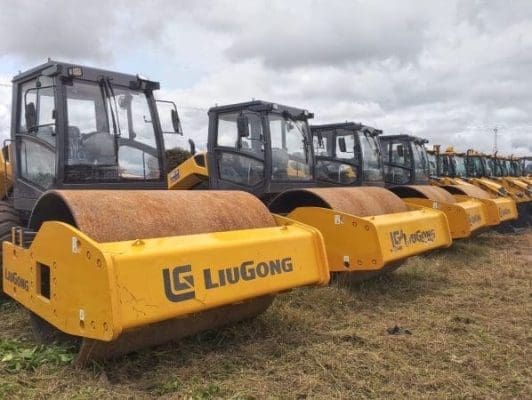
The Western Regional Coordinating Council committed to close oversight of equipment utilization to ensure program success. The Western Region is expected to receive 110 pieces of road improvement equipment, including bulldozers, wheel loaders, concrete mixers, low beds, and motor graders, with the DRIP project anticipated to create nearly 8,000 direct jobs.
Several Metropolitan, Municipal, and District Chief Executives attended the orientation, including Alhassan Ibrahim from Wassa East, Sophia Aubyn from Mpohor-Fiase, Benedict Boadi from Jomoro, and Peter Amponsah from Wassa Amenfi Central. These leaders pledged support for effective DRIP operations in their respective districts.
The orientation program was themed “Strengthening DRIP for Sustainable Road Maintenance and National Development,” aiming to build capacity, share knowledge, and align national strategic goals with decentralized road improvement strategies.
Nelson called on MMDCEs and Members of Parliament to collaborate closely to ensure communities receive maximum benefits from the program. He emphasized President John Dramani Mahama’s vision for Ghana’s road infrastructure, which emphasizes safe, accessible, and durable roads to drive national growth and development.
The DRIP initiative promises to revolutionize road infrastructure, creating a ripple effect of economic empowerment, job creation, and improved quality of life for residents across the country, representing a comprehensive approach to addressing Ghana’s road maintenance challenges.
The program’s success depends on effective coordination between national and local authorities, proper training of operators, and strict monitoring to prevent equipment misuse. The Western Region’s proactive approach to training and oversight could serve as a model for other regions implementing DRIP initiatives.
Equipment distribution under DRIP aims to empower all 275 constituencies nationwide with tools necessary for road network improvement. The decentralized approach allows local assemblies to address specific road challenges in their areas while contributing to national infrastructure development goals.