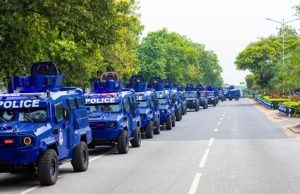
We woke up this morning, Sunday December 7, 2025 to news of a military putsch in Benin. The putschists announced on national TV that they have overthrown the government of Patrice Talon.
But by noon, there was counter news that the coup has been foiled and some high ranking military officers, including some retired officers have been arrested.
Talon not long ago had changed the country’s constitution to extend presidential terms to seven years from five.
Constitutional or leadership crises are strewn across the continent of Africa, and the issues are so similar that they give credence to the notion that Africa is a country.
What is it with Africa that stability is almost illusive for most countries?
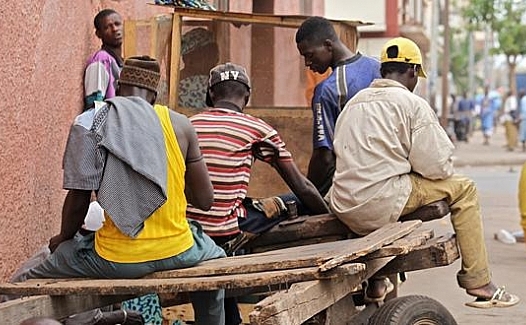
Youth populations and unemployment
Most African countries are not up to their full potentials. The countries have consistently shown that they won’t willingly embrace their extraordinary statures. Large and young demographics. Africa currently has the world’s largest youthful populations.
By 2050, the population of Africa is expected to increase to 2.5 billion. And 477 million of the population are at the age of 35.
The World Employment Social Outlook (WESO) trends reports 2017 of the International Labour Organisation forecast the unemployment rate in sub-Saharan Africa to stand at 7.2 per cent in 2017, unchanged from 2016.
The report noted that while the unemployment rate remains stable, the number of unemployed is expected to increase from 28 million in 2016 to 29 million in 2017 due to the region’s strong labour force growth.
 Meanwhile, Africa has extremely high volumes of natural resources. The continent produces more than 60 metal and mineral products and is a major producer of several of the world’s most important minerals and metals.
Some of the minerals mined out of Africa include gold, diamond, Platinum-Group Elements, silver, iron, uranium, bauxite, manganese, chromium, nickel, bauxite, cobalt and copper. Platinum, coal, and phosphates are also mined on the continent.
Then there are the rich forests, marine and aquatic resources. But Africa evidently isn’t making the appropriate nor desirable benefits.
On reflection, Africa as a continent has continued to be a pain in the neck of its distraught citizens. From Algeria, Angola, to Benin, Botswana, Cameroon, Congo, DRC to Equatorial Guinea, Ghana, Liberia, Mali, Morocco, Nigeria, Niger, Rwanda, through South Africa to Togo, Zambia through Zimbabwe.
The citizens are living like hostages in their own countries. To think that Africa holds more than 60% of the world’s precious metals, abundance of oil and about 60% of uncultivated arable land, yet the world’s largest number of poor and hungry people live in Africa defies every reasonable logic.
It trumps even common sense.
On reflection, Africa as a continent has continued to be a pain in the neck of its distraught citizens. From Algeria, Angola, to Benin, Botswana, Cameroon, Congo, DRC to Equatorial Guinea, Ghana, Liberia, Mali, Morocco, Nigeria, Niger, Rwanda, through South Africa to Togo, Zambia through Zimbabwe.
Poverty and corruption
About 462 million people in sub-Sahara Africa were still living in extreme poverty by 2023.
Then you come to find that most of Africa’s rich people are politicians, PEPs and their close associates. Businesses would only ‘grow’ and thrive when their owners hobnob with and bribe politicians.
Meanwhile, almost everyone in Africa is religious with some kind of ethical principles that should guide life. All religious communities abhor illegalities, find crime offending and openly criticize such conducts including stealing.
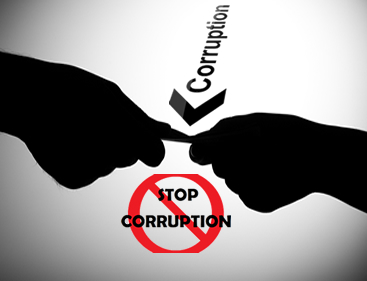 Corruption is officially illegal in almost every African country. But corruption is also the machine that mints the continent’s rich and mighty.
From Kenya to Nigeria to Ghana independent prosecutors and anti- corruption officials have been hounded out office and chased out of the country. Currently in Ghana, there is consensus among the ruling party and opposition over scraping the eight-year-old Office of the Special Prosecutor (OSP) – the only independent criminal investigation body with the power to investigate and prosecute corruption and corruption related offences. The entire country and party bases have been whipped up into a frenzy against the OSP, setting the stage for either the removal of the Special Prosecutor or shutting down the office, using a malleable media that easily lends itself to sensationalism.
Africa has an indisputable record of having a very long history of university education. The continent is not short of capable hands – well-trained and highly educated.
Every now and then universities on the continent continue to churn out thousands of fresh graduates. People trained with expertise in science, technology, agriculture, education, medicine, engineering, construction and computer science among many others, and yet the continent seems to be marking time, as if it had been stuck in an epoch forgotten and left behind.
Some bad examples
While at it, we blame others more than ourselves. But look at Uganda, Togo, Côte d’Ivoire, Tanzania, Zimbabwe, Guinea-Bissau, Equatorial Guinea, Cameroon, DRC, and so on.
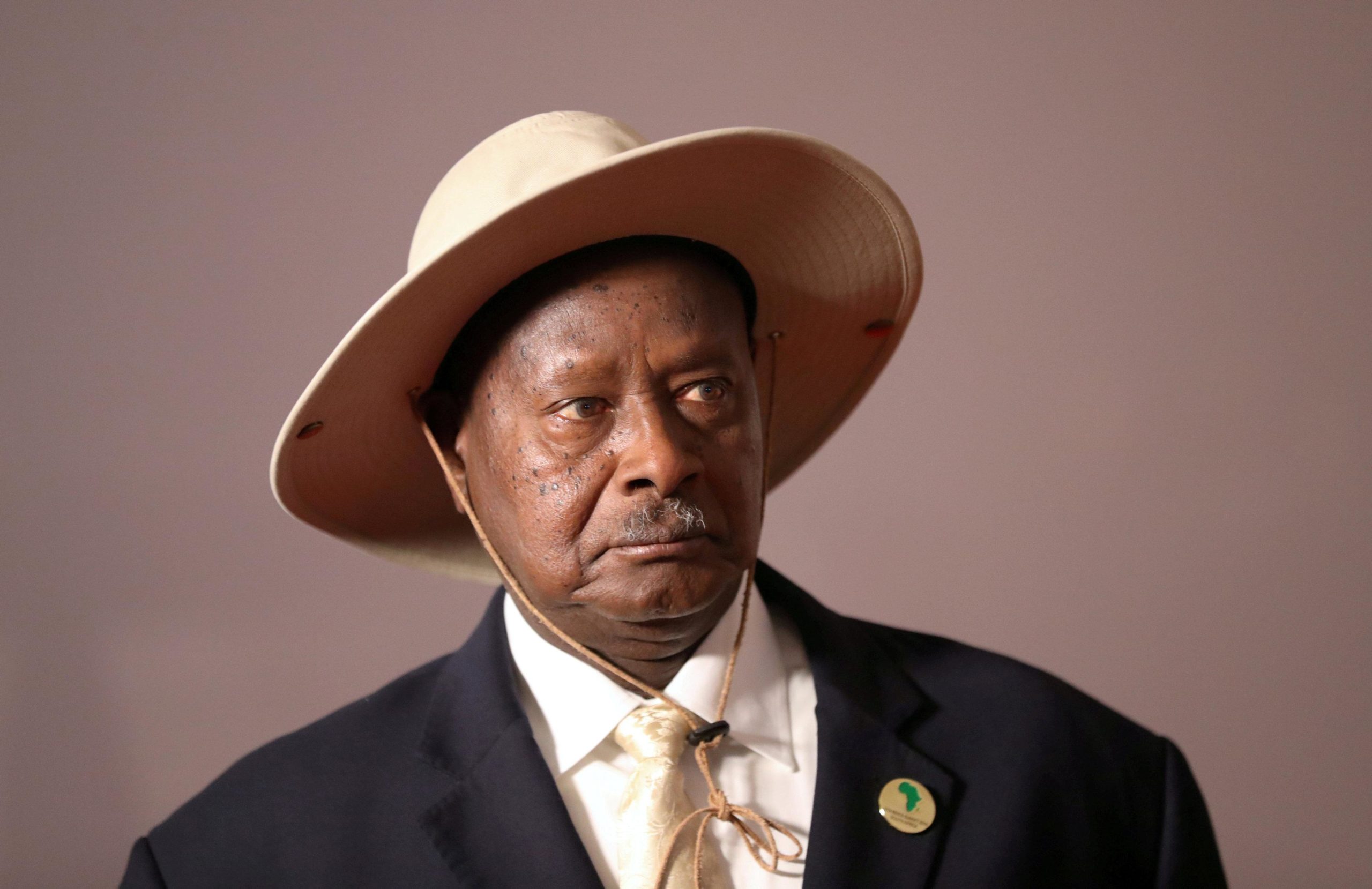
In Uganda, Yoweri Museveni is running a sham democracy in which he claims opposition parties can contest him. But he constantly criminalises political activities, attacking, arresting, detaining, torturing and killing his opponents and their supporters. There are so many videos online showing Ugandan military and police shooting at and killing unarmed civilians simply attending a political rally. Opposition politician Kizza Besigye is currently being held in detention and made to stand tial in a military court even though the action has been described as unlawful by his lawyers.
Africa has an indisputable record of having a very long history of university education. The continent is not short of capable hands – well-trained and highly educated.
In Togo, Faure Gnassingbe has effectively installed himself as president for life. In 2024 he initiated major constitutional changes in 2024, moving the country from a presidential to a parliamentary system, effectively abolishing the Supreme Court, and creating a powerful “President of the Council of Ministers”. He made the Prime Minister the leader of government, while the President of the Republic becomes a ceremonial figurehead. The ruling party endorsed this reform which shifts power, allowing Gnassingbé who now becomes President of the Council) to effectively become ruler for life.
In Cote d’Ivoire Allassane Ouattara changed the constitution to allow term extension, so he could contest for a fourth term. At 83, Ouattara still won the elections in October 2025 to continue to remain in office.
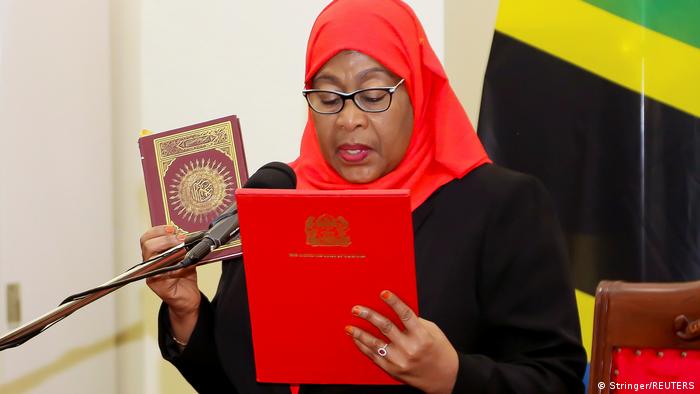
Before elections in late October in Tanzania, Samia Suluhu Hassan arrested and detained opposition politicians, forcing some to flee the country, effectively disabling the opposition. Then she announced a questionable 80% voter turn-out and then announced that she has won the election with 98% of the votes. By October 29, an unexpected protest erupted, first in Dar es Salaam and then spread to other cities. Caught off-guard, Hassan shut the Internet, silenced the media and in broad day light, unleashed violence upon her people killing hundreds and hiding their bodies. With the local media silenced, CNN stepped in and published the horror of killings by Tanzania state security forces of their own people. Hassan went ahead to be inaugurated into office at a military garrison.
There are renewed calls for another protest, and the country is tensed.
In Zimbabwe since Emmerson Mnangagwa took over following the overthrow of the country’s independence president, Robert Mugabe, the country has literally been struggling. With a weak opposition and some journalists held in unlawful detention with some in exile, Mnangagwa is planning on extending his term in office, as most Zimbabweans continue to struggle for a decent meal.
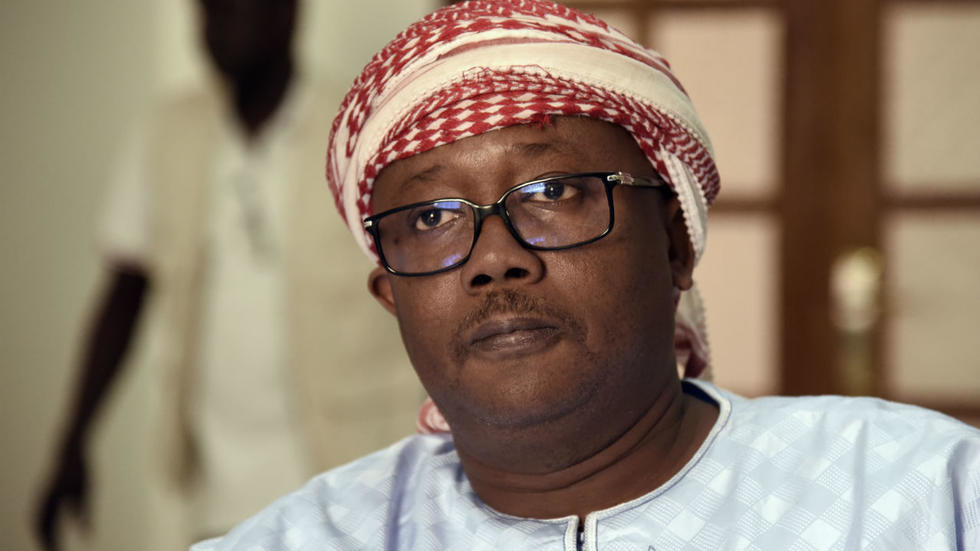
In Guinea-Bissau, former president Umaro Sissoko Embalo after organising an election, and it was becoming obvious that he was losing, he organised a sham coup which he announced himself and then handed over power to his military commanders and fled the country. The military quickly installed a former minister of finance in Embalo’s former government as prime minister.
Equatorial-Guinea has been under the control of one man since 1979. Teodoro Obiang Nguema Mbasogo has been ruling the oil-rich country since he took over power in a military coup 46 years ago. While Mbasogo and his family are wealthy, majority of his citizens live in abject poverty.
Cameroon is till under the thumb of 92-year-old Paul Biya. He has been in power since 1982. Biya has been seen in a video exhibiting signs of not being aware of his immediate surroundings. In October he won a controversial election. When citizens went on a protest, they were brutalized, and some killed. If Biya is able to finish his term, he would be 99 years old.
The story of the Democratic Republic of the Congo (DRC) is a mixed one. The wealthiest country in Africa, and yet the most troubled, whose people count among the poorest. Leadership hasn’t been one of its blessings, but external interference has been its bane.
While some of these leaders continue to subject their people to unacceptable treatments, there hasn’t been enough expression of disapproval from the continent itself.
What kind of leadership would redeem Africa?
What kind of leadership would make this continent flourish?
What kind of movement would extricate Africa from these suffocating realities that for years have been pushing its citizens into deeper poverty, squalor, hopelessness and despair, and out onto those precarious journeys through the deadly deserts and seas?
Democracy in whichever format hasn’t seem to have worked. Dictatorships haven’t worked. Military regimes haven’t worked either, no matter what the propagandists want people to believe.
What the heck is wrong with Africa?!!!
By Emmanuel K Dogbevi
Email: [email protected]