
By Seth KRAMPAH, back from Nairobi, Kenya
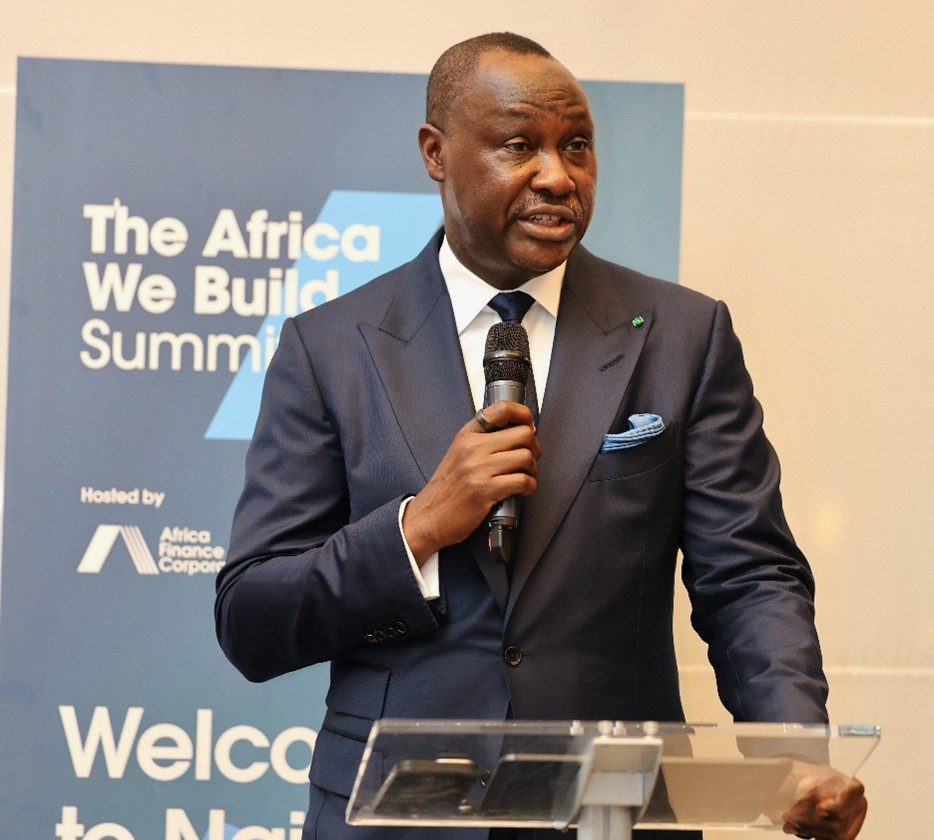
The Africa Finance Corporation’s (AFC) ambitious vision to transform Africa’s infrastructure landscape has received strong political endorsement at the recently concluded Africa We Build Summit 2026 in Nairobi, Kenya.
The summit, themed “Infrastructure as the Engine of Industrialisation”, brought together policymakers, financiers, and industry leaders to chart a new course for the continent’s economic future.
The summit’s central focus was on unlocking and mobilising domestic capital to fund infrastructure projects that can drive regional integration and industrial growth.
Delegates emphasised the need to move beyond policy declarations and instead prioritize bankable projects capable of creating jobs and building industrial capacity.
AFC’s President and CEO Samaila Zubairu underscored the corporation’s commitment to ensuring that Africa’s infrastructure ambitions are not just aspirational but actionable. “We are determined to move from plans to projects, from blueprints to bulldozers,” he said, stressing that infrastructure must serve as the backbone of Africa’s industrialisation drive.
Political Endorsement
The highlight of the summit was the keynote address delivered by H.E. Dr. William Samoei Ruto, President of Kenya. Dr. Ruto called for deeper regional integration, noting that Africa’s fragmented markets hinder industrial growth. “We must break down the barriers that divide us and build the roads, railways, and energy corridors that unite us,” he declared.
His remarks were met with resounding approval, as leaders from across the continent pledged political support for AFC’s vision. The endorsement signals a growing recognition among African governments that infrastructure development is inseparable from economic transformation.
Strategic Focus: From Soil to Smelter
A recurring theme throughout the summit was the need to shift Africa’s economic model from raw material exportation to value addition. The phrase “from the soil to the smelter” captured the strategic focus of discussions, highlighting the importance of processing Africa’s abundant natural resources into finished products.
Speakers argued that without value addition, Africa risks perpetuating dependency on external markets. By investing in industrial infrastructure, such as processing plants, logistics hubs, and energy systems, the continent can capture greater value from its resources and create sustainable employment.
Mobilising Domestic Capital
One of the most pressing challenges identified was financing. While Africa’s infrastructure needs are vast, reliance on external funding has often proven unsustainable. The summit therefore emphasized mobilising domestic capital, including pension funds, sovereign wealth funds, and local banks.
AFC presented innovative financing models designed to de-risk projects and attract private investment. By leveraging blended finance and public-private partnerships, the corporation aims to ensure that infrastructure projects are both commercially viable and socially impactful.
Delegates agreed that infrastructure must catalyze regional integration. Roads, railways, ports, and energy grids that connect countries will enable the free movement of goods, services, and people—critical for building larger markets and attracting investment.
President Ruto highlighted Kenya’s role as a gateway to East Africa and urged other nations to align infrastructure development with regional trade agreements. “Industrialisation cannot thrive in isolation. It requires networks, corridors, and cooperation,” he said.
The summit was convened by AFC in partnership with the Government of Kenya, underscoring Nairobi’s growing role as a hub for continental dialogue on development. Kenya’s government pledged continued collaboration with AFC to ensure that infrastructure projects deliver tangible benefits to citizens.
Beyond the macroeconomic benefits, the summit stressed the human dimension of infrastructure. Delegates noted that bankable projects must translate into jobs, skills development, and industrial capacity. By prioritising sectors such as energy, transport, and manufacturing, Africa can create millions of jobs for its growing youth population.
The political backing received at the summit marks a turning point for Africa’s infrastructure agenda. For years, ambitious plans have faltered due to a lack of political commitment. The Nairobi summit demonstrated a renewed determination among leaders to align policy with action.
Observers noted that the AFC’s vision is now buttressed by political will, creating a unique window of opportunity. If governments follow through on their commitments, Africa could witness a new era of industrialisation driven by infrastructure.
The Africa We Build Summit 2026 concluded with a clear message: infrastructure is not just about roads and bridges, but about building the foundation for Africa’s industrial future. With AFC’s vision receiving strong political endorsement, the continent is poised to move from aspiration to action, from plans to projects, and from raw materials to finished products.
Overall, the Summit reflects Africa’s determination to reduce vulnerability to global shocks, harmonise policy frameworks, and strengthen development financial institutions. It positions infrastructure not as isolated projects, but as integrated corridors and ecosystems linking energy, logistics, industry, and trade across the continent.
As delegates departed Nairobi, the consensus was unmistakable; Africa’s infrastructural development is no longer a distant dream but a political and economic priority.
Post Views: 5
Discover more from The Business & Financial Times
Subscribe to get the latest posts sent to your email.