
Former Trade Minister Alan John Kwadwo Kyerematen has officially transformed his political movement into the United Party (UP Plus), marking what he calls a fresh start for Ghana’s political landscape with promises of accountability and economic renewal.
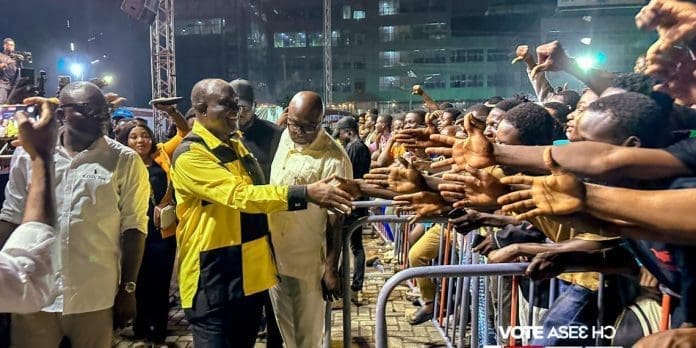
The rebrand, unveiled at a launch ceremony in Accra, signals Kyerematen’s determination to offer Ghanaians an alternative to the country’s traditional political powerhouses. Party Chairman Abubakar Saddique Boniface emphasized that the new identity represents more than just a name change; it’s a commitment to delivering leadership rooted in competence and credibility.
“Today, we present to you the United Party or UP Plus, a political organisation meant to bring real change to governance,” Boniface told attendees. He added that the party’s focus centers squarely on credible leadership capable of addressing Ghana’s pressing challenges.
Kyerematen, who served as trade and industry minister under previous administrations, framed the transition as “a new dawn” for the nation. His vision includes sweeping economic transformation, massive job creation, and what he described as a golden age for business development. The former minister didn’t mince words about his anti-corruption stance, promising zero tolerance for graft and a governance model built on transparency.
The Electoral Commission of Ghana made the rebrand official by issuing UP Plus its registration certificate on 3 October, formally recognizing the organization as a legitimate political entity. This administrative milestone clears the way for Kyerematen to contest future national elections under the new banner.
Kyerematen’s political journey took a dramatic turn in 2023 when he resigned from the opposition New Patriotic Party (NPP) to establish the Movement for Change. That departure ended years of affiliation with one of Ghana’s two dominant parties, signaling his frustration with the existing political establishment. Now, with UP Plus officially registered, he’s positioning himself as a third force in Ghana’s traditionally two-party system.
The timing of the rebrand comes as Ghanaians increasingly express dissatisfaction with conventional political options. Whether UP Plus can translate Kyerematen’s ministerial experience and fresh branding into electoral success remains to be seen, but the party’s launch suggests he’s serious about disrupting the status quo.
Party officials haven’t yet announced specific policy platforms or electoral timelines, though Kyerematen’s emphasis on economic transformation and job creation hints at a business-friendly agenda. His track record in trade and industry may appeal to voters seeking economically focused leadership, particularly younger Ghanaians struggling with unemployment.
The name “UP Plus” itself carries historical weight. The original United Party was a significant force in Ghana’s early post-independence politics, and adopting that legacy could be strategic. Whether modern voters will connect with that historical reference or respond to Kyerematen’s contemporary promises will likely shape the party’s trajectory.
For now, UP Plus joins Ghana’s growing list of political alternatives, armed with official recognition, an experienced leader, and bold promises about transforming governance. How it performs when Ghanaians next head to the polls will determine if this rebrand represents genuine change or simply another entry in the country’s crowded political marketplace.