
The allegations of sexual abuse involving 19 students at Obuasi Senior High Technical School have renewed a difficult conversation about the safety of young people, the abuse of authority and the systems meant to protect them.
The allegations must be investigated thoroughly and treated seriously without prejudging the outcome. Yet the wider questions they raise cannot wait for a verdict. What kind of society are we building when young people may struggle to recognise abuse, report it or trust that someone will protect them?
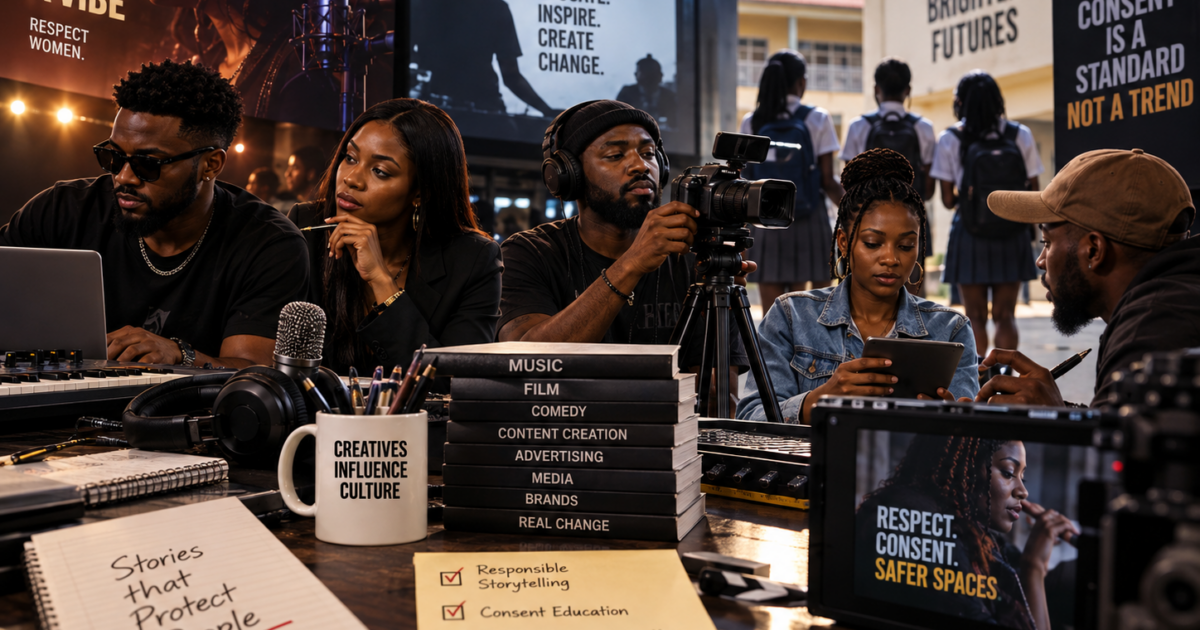
As a marketing communications strategist, creative entrepreneur and advocate for responsible creative practice, I believe this conversation must extend beyond schools and law enforcement. It must include the media, musicians, filmmakers, comedians, influencers, brands and everyone whose work shapes public attitudes.
Sexual abuse is not caused by music videos, comedy skits or social media trends alone. But the culture we create can either challenge the abuse of power or make it easier to excuse.
When entertainment shapes what society tolerates
Creativity reflects society, but it also influences how society sees itself. Music, film, comedy and digital content shape ideas about relationships, gender, power and acceptable behaviour, particularly among young audiences.
Consider the objectification of women in some music videos, lyrics that reduce them to sexual objects, and scenes that portray unwanted touching or persistent sexual advances as playful or harmless. Add online skits that turn harassment into comedy without questioning the behaviour, and a troubling pattern emerges.
The problem is not that art explores sexuality, attraction or adult relationships. Artistic freedom matters, and provocative content should not automatically be treated as harmful. The concern is what happens when entertainment repeatedly blurs the line between attraction and entitlement, persistence and coercion, or humour and humiliation.
When a woman’s refusal becomes a challenge to overcome, or a child’s vulnerability becomes entertainment, audiences risk becoming less sensitive to the harm beneath the joke.
Representation does not automatically determine behaviour, and responsibility for abuse rests with the person who commits it. But creatives cannot dismiss their cultural influence simply because their work is entertainment.
The question is not whether creatives are responsible for every social problem. It is whether they are willing to take responsibility for the messages they choose to amplify.
Consent is not a trend, it is a standard.
Consent requires a clear, voluntary agreement. It cannot be inferred from silence, fear, a previous flirtation or a relationship. Nor does a position of authority give anyone the right to exploit another person.
Where children are concerned, the responsibility is even greater. Teachers, coaches, religious leaders and other adults entrusted with their care have a duty to protect, not exploit. No creative narrative should blur the distinction between safeguarding a child and sexualising one.
The Obuasi allegations therefore demand more than public outrage. They require credible investigations, protection for complainants, accountability where wrongdoing is established, and safe channels for reporting misconduct. Institutions must not confuse protecting their reputation with protecting vulnerable people.
The creative industry also has a role. Comedians can challenge harmful behaviour without trivialising abuse. Musicians can create compelling work without reducing women to props. Filmmakers can portray difficult realities without glamourising exploitation. Influencers can use their platforms to make conversations about consent, boundaries and safeguarding more accessible.
Actor and content creator Jeffrey Nortey, for instance, has used skits to address consent, inappropriate advances and the abuse of minors. His work illustrates how comedy can open up difficult conversations without sacrificing entertainment. With thoughtful writing, humour can do more than attract attention. It can challenge audiences to reconsider what they have come to accept.
Responsibility must run through the creative value chain
This responsibility cannot rest on individual artists alone. Producers, directors, scriptwriters, publicists, talent managers, media organisations, advertisers and sponsors all influence what gets made, funded, promoted and celebrated.
Brands should look beyond reach and engagement when choosing creative partners. Popularity matters, but so do professional conduct and judgement. Content that attracts millions of views while normalising harassment may generate attention without building meaningful brand value.
Media organisations, too, must report allegations responsibly. Sensational headlines, unnecessary exposure of complainants and speculative commentary can deepen the harm. Reporting should avoid victim-blaming, protect identities where required and clearly distinguish allegations from established findings.
Practical safeguards are equally important. Production houses and event organisers should establish clear codes of conduct, protect minors, provide safe reporting channels and respond seriously to complaints. Creative organisations can help by developing professional standards and ensuring members are held accountable.
Awareness campaigns alone are not enough. A powerful public message about consent means little if the people delivering it tolerate harassment behind the scenes.
Beyond outrage, towards cultural change
Ghana has no shortage of public condemnation when disturbing allegations emerge. The challenge is turning outrage into lasting change.
Parents and schools must help young people understand boundaries and feel safe speaking up. Authorities must investigate complaints fairly and thoroughly. Institutions must guard against retaliation. The media must report responsibly, and the creative industry must examine what it normalises in the pursuit of views, applause and commercial success.
Blaming music, comedy or popular culture for the actions of abusers would be simplistic and unfair. Sexual abuse involves individual choices, unequal power and failures of accountability. But culture influences how harmful behaviour is interpreted, challenged or excused. Creatives are therefore part of the conversation, not because they are responsible for every harm, but because they have the reach to challenge harmful attitudes and make healthier ones visible.
The measure of a socially conscious creative industry is not how quickly it joins a trending conversation after a scandal. It is whether its work and professional practices help build a culture in which consent is respected, children are protected and abuse is never treated as entertainment.
We cannot expect art to solve every social problem. We can, however, expect those who shape public culture to think carefully about the world their work helps create.
Our creative industry cannot control every individual who abuses power. But it can help change what society tolerates, what it celebrates and what it refuses to excuse.
That responsibility is not a distraction from creativity. It is part of what makes influence worth having.
About the author:
Amelley Djosu is a marketing communications strategist, creative entrepreneur and journalist who writes on the intersections of culture, creativity, commerce and social responsibility. She is interested in how Ghana’s creative industry can use its influence to shape public conversations, promote professional standards and contribute to meaningful social change.
DISCLAIMER: The Views, Comments, Opinions, Contributions and Statements made by Readers and Contributors on this platform do not necessarily represent the views or policy of Multimedia Group Limited.
DISCLAIMER: The Views, Comments, Opinions, Contributions and Statements made by Readers and Contributors on this platform do not necessarily represent the views or policy of Multimedia Group Limited.
Source link