
By Philip Koku NUNYUIE
Ghana’s manufacturing industry is evolving rapidly, driven by innovation, technology, and human capital. Yet, one crucial element of inclusive growth remains underdeveloped. The presence of women in leadership roles. Despite their vital contribution to production, quality assurance, and operations, women are still underrepresented in decision-making and managerial positions. In recent years, the call for gender inclusivity in leadership has intensified across Africa and Ghana is no exception. While women are increasingly visible in Politics, academia and entrepreneurship, their representation in leadership roles within the manufacturing sector remains limited. The conversation is shifting, however, as more stakeholders recognize that diversity in leadership is not just a matter of fairness, but a driver of innovation, productivity and sustainable growth.
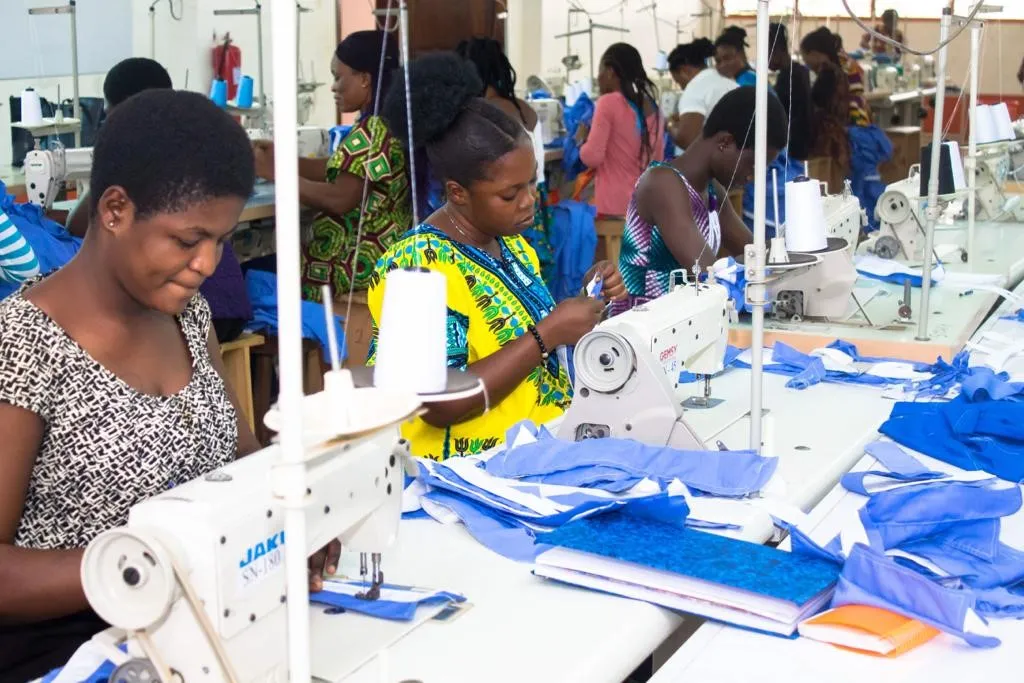
Ghana’s manufacturing industry -spanning food processing, construction materials, textiles and consumer goods remains largely male dominated. According to data from the (AGI), Association of Ghana Industries, women account for a significant portion of the sectors workforce but hold less than 14% of top management positions. This imbalance stems from a combination of structural, cultural, and educational barriers. Traditional gender roles often steer women away from technical and industrial career, while limited access to capital and networks constrains their rise to leadership.
As an HR professional in one of Ghana’s leading ceramic manufacturers, I have witnessed firsthand how inclusivity and diversity strengthen teams and improve business performance. This article explores why women’s leadership matters in manufacturing and how companies like ours can help bridge the gender gap.
The Case for Women in Leadership
Women bring diverse perspectives, empathy, and collaboration — qualities essential for sustainable industrial growth. A balanced leadership structure fosters creativity, improves communication, and enhances organizational resilience. In manufacturing, where teamwork, precision, and problem-solving are key, these attributes can make the difference between good and great performance.
Moreover, gender inclusivity in leadership is not just a social responsibility; it’s an economic strategy. Research globally shows that companies with more women in leadership outperform their peers in productivity and profitability. Locally, as Ghana’s industrialization agenda advances, leveraging all available talent is vital for national competitiveness. Women bring unique perspective to problem solving, people management and product innovation-all essential qualities in a competitive sector. Moreover, gender inclusivity enhances a company’s corporate image, making it more attractive to investors, customers, and international partners who value equality and social responsibility.
Despite the challenges, several Ghanaian companies are setting examples initiatives such as AGI’s women in industry programmed and partnership with UNDP Ghana have begun to create mentorship opportunities and leadership training for women in manufacturing. Women-led enterprises in agro- processing and textiles are also proving that when given access to funding and technical support, female leaders can scale operations and employ hundreds contributing directly to Ghana’s industrial growth.
To truly achieve inclusivity, a multi stakeholder approach is needed. Government must strengthen gender-responsive policies and enforce equality in recruitment and promotion. Our Educational institutions should encourage girls to pursue STEM and vocational training. Private firms and institutions must implement mentorship, maternity friendly policies, and leadership development programs that empower women to thrive.
Inclusivity should not be a check box, it should be a strategic imperative that transforms Ghana’s manufacturing industry into a model of balanced and equitable leadership.
Barriers Holding Women Back
While progress has been made, several barriers continue to limit women’s ascent to leadership:
- Cultural perceptions that certain technical or management roles are “male-oriented.”
- Limited access to mentorship and career development opportunities for women in industry.
- Work-life balance challenges, especially for mothers balancing family and professional duties.
- Subtle bias in recruitment and promotion decisions that underestimate women’s leadership potential.
Recognizing and addressing these issues is the first step toward an inclusive industrial culture.
Steps Toward Inclusion
At Keda Ghana Ceramics (Twyford International), we are committed to fostering a workplace that values diversity and equal opportunity. Our HR strategy promotes fairness, mentorship, and empowerment for all employees. But more broadly, every manufacturing firm can take simple, meaningful actions to create inclusive leadership pathways:
- Promote from within: Identify and nurture high-potential female employees through leadership training and succession planning.
- Mentorship and sponsorship: Pair young women with senior leaders to guide career growth and confidence building.
- Flexible policies: Introduce family-friendly policies such as predictable shift schedules and maternity support.
- Equal access to training: Ensure women are included in technical and management development programs.
- Zero tolerance for bias or harassment: Foster a respectful, safe work environment where talent — not gender — determines advancement.
Building the Future
The journey towards women’s inclusivity in Ghana manufacturing leadership is ongoing, but progress is being made. When women lead, industries don’t just grow, they evolve.
Inclusivity in leadership is more than a policy; it’s a mindset. It requires leaders who value fairness, see potential in diversity, and believe in empowering others. When women are given equal opportunities to lead, the entire organization benefits through higher morale, stronger innovation, and improved performance.
As Ghana’s manufacturing sector expands, we must ensure that women are not just part of the workforce, but also part of the leadership shaping its future. The journey toward inclusion is not easy, but it is essential — for equity, for growth, and for the progress of our nation. The next phase of Ghana’s industrialization must be built not only on machinery and markets, but also on the full potential of its women
Philip is the HR Manager, Keda Ghana Ceramics (Twyford International)
Post Views: 1
Discover more from The Business & Financial Times
Subscribe to get the latest posts sent to your email.