The Supreme Court has declared the delegate system used by political parties in selecting presidential and parliamentary candidates unconstitutional.
In a 5-2 majority decision, the apex court directed political parties to adopt a more inclusive electoral process that allows all members in good standing to participate in the election of candidates.
The court gave political parties one year from the date of the judgment to introduce the necessary reforms to their constitutions, electoral guidelines and internal processes to comply with the ruling.
The decision effectively brings an end to the long-standing practice where only a select group of delegates are allowed to vote during presidential and parliamentary primaries on behalf of the wider party membership.
Under the delegate system, political parties typically rely on representatives drawn from various levels of the party structure, including constituency, regional and national executives, to elect presidential candidates and parliamentary nominees.
However, the Supreme Court held that such a system limits the participation of ordinary party members and is inconsistent with the constitutional principles governing political party organisation and democratic participation.
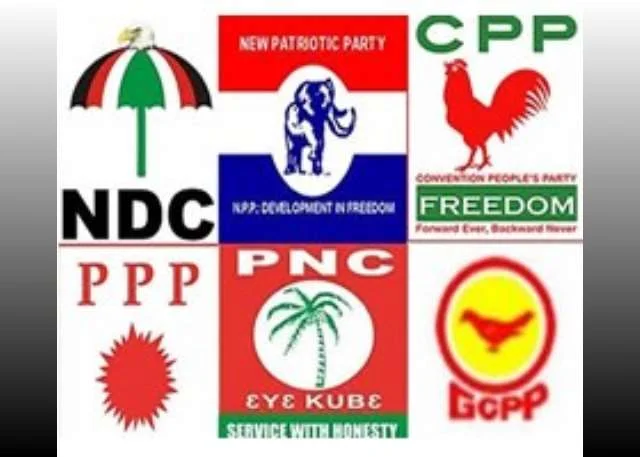
The ruling is expected to trigger significant reforms within Ghana’s political parties, particularly the major parties such as the National Democratic Congress (NDC) and the New Patriotic Party (NPP), which have historically relied on delegate conferences to elect presidential candidates and parliamentary representatives.
Political parties will now be required to develop new frameworks that allow every eligible member who meets the required membership conditions to vote directly in presidential and parliamentary primaries.