
The constitutional framework protecting Ghana’s judicial independence must be safeguarded through scrupulous adherence to established removal procedures, according to legal experts engaged in ongoing debates surrounding the Chief Justice’s status. The principle at stake transcends any individual official: it concerns whether institutional processes retain meaning and dignity when subjected to public pressure.
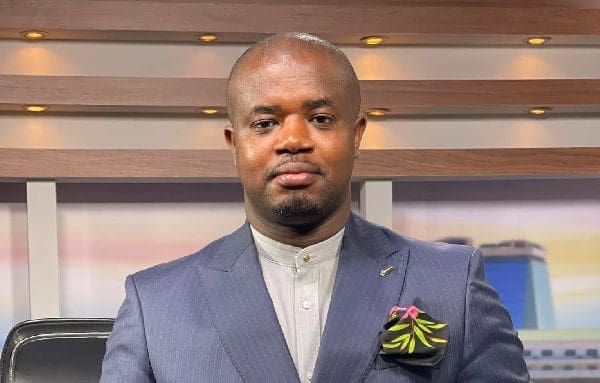
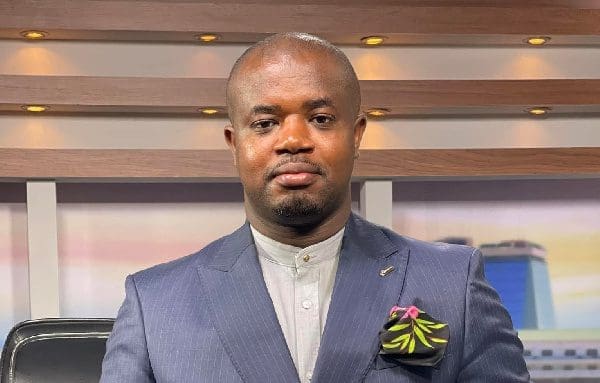
Godwin Kudzo Edudzi Tameklo, Acting Chief Executive Officer of the National Petroleum Authority and Director of Legal Affairs for the National Democratic Congress, has articulated this position forcefully during recent discussions about Article 146 proceedings involving Chief Justice Gertrude Torkornoo. His argument centers on a straightforward proposition: the Chief Justice holds the third highest constitutional office in Ghana and deserves treatment reflecting that status.
The significance of this principle extends beyond ceremonial courtesy. The removal process outlined in Article 146 of Ghana’s 1992 Constitution exists precisely to protect judicial independence from executive or legislative pressure. By restricting removal procedures to narrowly defined circumstances and keeping proceedings confidential, the framers intentionally shielded judges from political retaliation or mob justice. When that framework erodes through public spectacle or premature court challenges, the entire edifice of judicial autonomy weakens.
Tameklo has referenced the landmark Abban case, where Ghana’s courts affirmed that Article 146 proceedings were designed to safeguard judicial independence rather than be converted into public spectacles. The constitutional architects deliberately made proceedings in camera, meaning closed to the public. Unlike other constitutional provisions that explicitly allow waiver of privacy rights, Article 146 contains no such option. The framers’ deliberate choice to omit this possibility signals their intention: confidentiality is not negotiable.
This matters practically because premature public litigation about removal procedures can compromise the impartiality of the five-member committee established to investigate the petitions. Judges serving on this committee must reach conclusions based on evidence and legal reasoning, not public opinion or political pressure. The framework reflects hard-won lessons about how judicial systems survive: by maintaining procedural integrity even during moments of institutional stress.
Tameklo has also clarified the legal architecture surrounding appeal rights. Under Article 146, no statutory right of appeal exists from committee findings. This is not an oversight but a deliberate structural choice. An appeal, as a legal matter, is a creature of statute. When the Constitution provides no appeal mechanism, courts cannot fashion one through judicial review. To do so would usurp the constitutional design itself, transforming a process meant to be conclusive into an indefinite cycle of litigation.
The practical implication is clear: Article 146 exists as a self-contained procedural system that, once invoked, must run its course without judicial intervention. This creates finality essential for the process to function credibly. If the committee’s findings can be relitigated indefinitely through the courts, the process loses force and legitimacy.
Yet some legal observers, including Tameklo himself, have also identified tensions within Article 146’s current form. He has called for greater transparency after removal proceedings conclude, arguing that while committee hearings may legitimately occur in camera, findings and supporting evidence should ultimately be made public. This distinction respects confidentiality during investigation while maintaining public confidence through eventual transparency.
The constitutional principle underlying this position is sound: judicial independence requires that judges make decisions free from political pressure during their tenure, not that secret proceedings remain forever sealed. Once a removal process concludes, whether successfully or not, democracy requires that citizens understand why their highest judicial officer was or was not removed.
This balance between protecting proceedings from political interference and maintaining democratic accountability will likely shape how Ghana’s legal institutions evolve. For now, however, the immediate obligation remains clear: the Chief Justice, like all judicial officers, deserves respect for the constitutional office she holds, and the removal process, whatever its eventual outcome, must proceed according to its formal constitutional design.