
By Ama Adiepena Wiredu-Akpabli
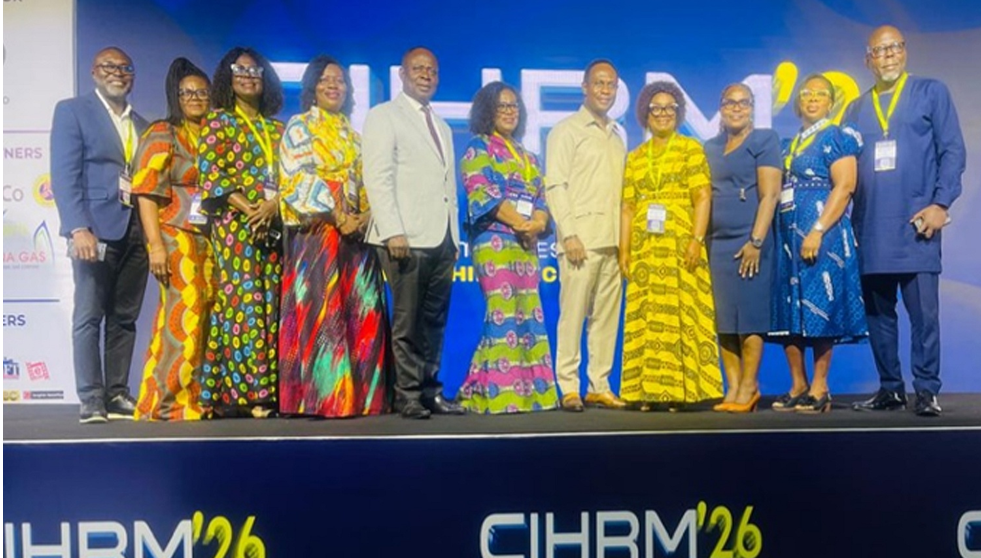
This year’s Chartered Institute of Human Resource Management (CIHRM) – Ghana engagements and discussions highlighted critical issues that are redefining the Human Resource profession in Ghana. The Conference, held in Accra, brought together a wide range of HR Practitioners from across the country and beyond.
Key Issues Raised
The enforcement of the CIHRM Act 2020 (Act 1020) remains a major priority. HR practitioners, consultants, and firms are now required to be registered and certified to practice legally in Ghana. The profession is moving towards greater accountability, professionalism, and regulatory compliance.
Elevating Professional Standards
Concerns were raised about unqualified individuals performing HR functions, leading to poor people management practices, industrial disputes, and organisational inefficiencies. The conference emphasized the need for continuous professional development and ethical practice.
Mental Health and Psychosocial Safety
A strong focus was placed on creating psychologically safe workplaces where employees can thrive. Employee well-being, mental health, stress management, and supportive work environments were identified as key drivers of productivity and organisational success.
Workforce Integrity and Trust
Growing concerns around workplace misconduct, fraud, and declining trust within organisations highlighted the need for HR leaders to champion ethics, accountability, and values-based cultures.
Strategic Role of HR
The conference reinforced that HR must move beyond administrative functions and become a strategic business partner that drives organisational performance, workforce planning, leadership development, and business sustainability. HR must talk numbers not just for recruitment and headcount but for revenue and profitability.
Future of Meaningful Work
As workplaces continue to evolve, HR leaders were challenged to rethink talent management, employee experience, workforce agility, digital transformation, and the changing expectations of employees and CEOs.
Call to Action for HR Practitioners
The future of HR in Ghana will not be shaped by policies alone—it will be shaped by HR professionals who are willing to lead change.
As practitioners, we must:
- Commit to professional certification and regulatory compliance.
• Invest continuously in our knowledge, skills, and competencies.
• Champion employee well-being and psychological safety.
• Promote ethical leadership and workplace integrity.
• Leverage technology and data to make better people decisions.
• Position HR as a strategic driver of organisational growth and national development.
• Build workplaces where people can thrive, perform, and find meaning in their work.
The challenge before us is clear: HR must move from managing people to transforming organisations and shaping the future of work.
Post Views: 21
Discover more from The Business & Financial Times
Subscribe to get the latest posts sent to your email.