
Stakeholders in Ghana’s cocoa sector have called for stronger collaboration among government agencies, traditional authorities, cocoa farmers and civil society organisations to address the growing impact of illegal mining on cocoa production.
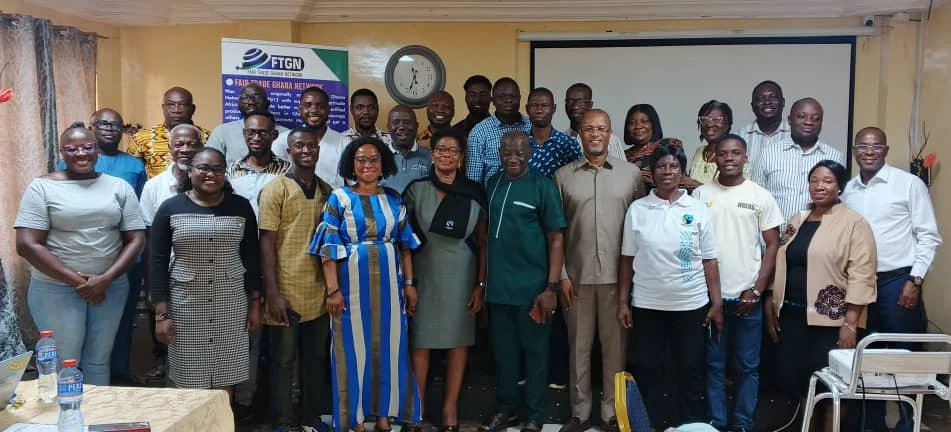
The call was made at a stakeholder engagement organised by the Fairtrade Ghana Network in partnership with Fairtrade Africa, with funding support from the European Union, to develop a coordinated roadmap to combat illegal mining, popularly known as “galamsey” in Accra.
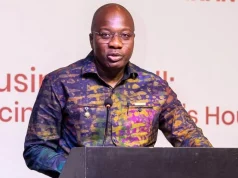
Policy and Advocacy Manager for Fairtrade Africa, Elvis Core, said the organisation was committed to empowering cocoa producers to advocate for policies that protect their livelihoods.
He explained that Fairtrade Ghana Network had established and trained a six-member advocacy committee to equip cocoa farmers with the skills to engage policymakers and other stakeholders on issues affecting the sector.
Mr. Koura said the workshop sought to unite organisations already involved in the fight against illegal mining to develop a common roadmap for coordinated action.
President of the Fair Trade Ghana Network and Asunafo Municipal Cooperative Cocoa Farmers and Marketing Union, Emmanuel Sarpong, urged the government to work closely with the Ghana Cocoa Board (COCOBOD) to identify and declare major cocoa-producing areas as no-go zones for mining.
“COCOBOD should show the government where exactly we have more cocoa so that we can demarcate those places as no-go zones,” he said.
Mr. Sarpong also called for stricter enforcement of laws protecting cocoa farms and greater involvement of chiefs and local communities in the fight against illegal mining.
Head of Cocoa Protection at COCOBOD, Michael Kwateng, stressed the importance of collaboration between the Board and cocoa farmer cooperatives to safeguard cocoa farms.
“When farmers are not there, cocoa will not be there or COCOBOD will not be there. We need to collaborate with all the cocoa farmer groups so that we can work together,” he stated.
Mr. Kwateng noted that chiefs and opinion leaders have a critical role to play in preventing illegal miners from operating in their communities. He also called for increased funding to support public sensitisation campaigns and urged cooperatives to educate members and young people on the dangers of illegal mining.
Coordinator of Fair Trade Ghana Network, Felix Ayambire, said the organisation had moved beyond policy discussions to focus on practical interventions.
Mr. Ayambire expressed optimism that coordinated action would help increase cocoa production and improve the livelihoods of cocoa farmers.
Principal Programme Officer at the Ministry of Lands and Natural Resources, Emelia Nmai, highlighted the governments recently launched Responsible Community Mining and Skills Development initiative as part of efforts to regulate small-scale mining.
She said while small-scale mining could not be eliminated entirely, promoting responsible mining practices, providing modern equipment and offering alternative skills training would help reduce environmental destruction and protect cocoa farmlands and water bodies.