By Mabel Adorkor Annang
ANTALYA, TÜRKİYE – African countries are seeking clarity on financing, technology and implementation arrangements for a proposed global target of achieving 35 per cent renewable electricity capacity by 2035, questioning whether developing economies have the necessary support to deliver on the ambition.
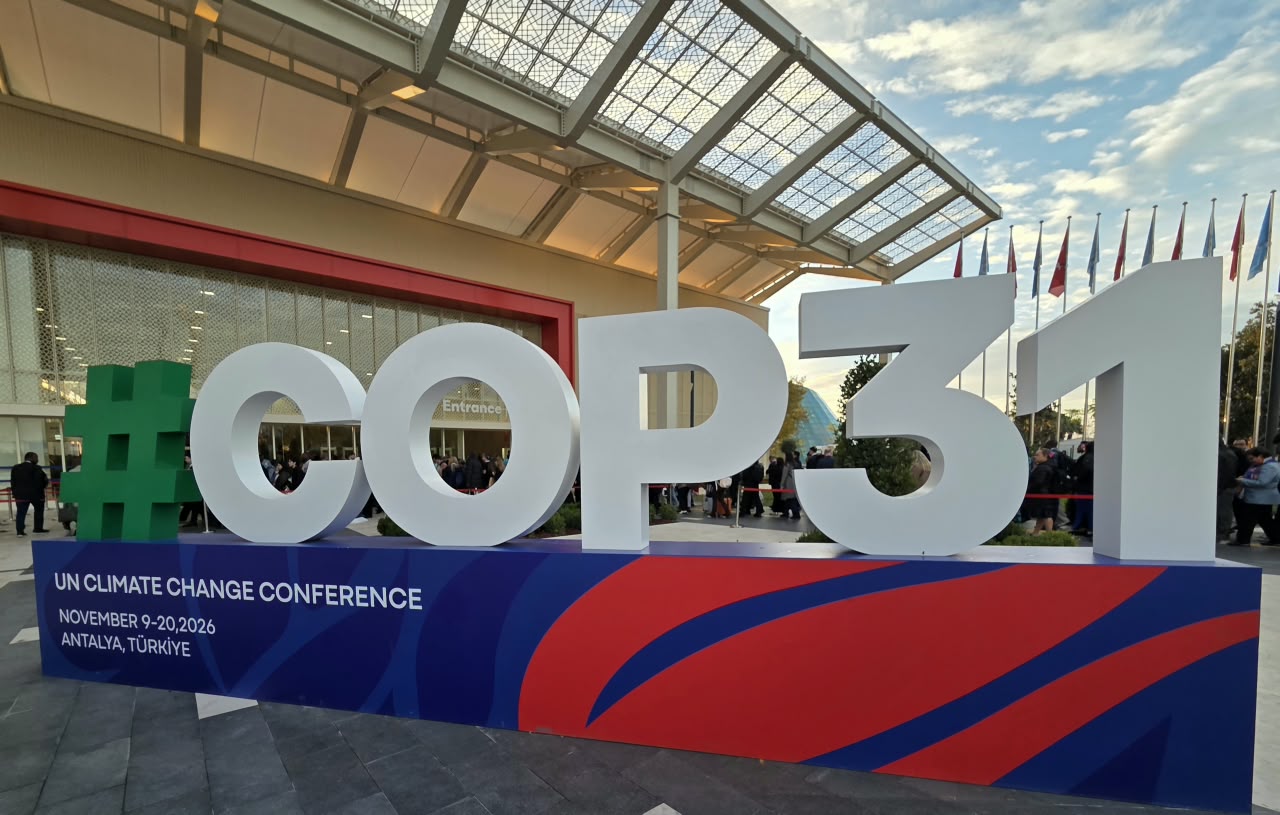
The issue has emerged in the second week of the 31st United Nations Climate Change Conference (COP31) in Antalya, Türkiye, where negotiators are discussing how global climate ambitions can be translated into practical action at the national level.
Under the COP31 co-presidency’s action agenda, the proposed 35 by 35 ambition seeks to increase the share of renewable energy in global electricity capacity to 35 per cent by 2035. While African negotiators acknowledge the importance of expanding renewable electricity, they say the target requires further clarification, particularly regarding national baselines, financing and responsibility for implementation.
Ghanaian climate negotiator Antwi-Boasiako Amoah says the ambition is commendable but questions whether the necessary means of implementation will be available to support countries in achieving it.
“What is questionable is who is going to drive this process? Are the means of implementation that I spoke about earlier on going to be available, and who is going to be in charge of those means of implementation?” he asked.
Mr Amoah argues that countries have significantly different starting points in renewable electricity development, making it difficult to apply a uniform global target without considering their individual circumstances.
He notes that even within Africa, the share of renewable electricity capacity varies considerably, with some countries having approximately 70 per cent, others 30 per cent, while some have as little as 7 per cent.
“So if you set this global target, it makes it very difficult to actually understand whose baseline we are using in this country. So we need some clarity from the co-presidency on some of these targets,” he said.
Ghana’s renewable energy ambitions
For Ghana, the proposed global ambition raises questions about how the target would align with existing national energy plans and the investments required to accelerate renewable electricity deployment.
The country has been pursuing renewable energy development as part of efforts to diversify its electricity generation mix, strengthen energy security and support its climate commitments.
However, aligning national ambitions with a global target would require clarity on Ghana’s existing renewable electricity baseline, the scale of additional investments needed and the financing arrangements that would support implementation.
Mr Amoah says Ghana’s Energy Commission and Ministry of Energy already have energy plans with their own targets, which must be considered in determining how the proposed global ambition can be adopted nationally.
“I don’t actually know what the baseline of Ghana’s target is because I am not in the energy sector. And so if Ghana is going to be able to adopt this global target, I assume that you need to get some kind of linkages of what the support system is going to look like,” he said.
He warns that without the necessary support, countries could end up making commitments that are difficult to translate into actual renewable energy projects.
“Otherwise, it becomes just a target without being realised on the ground,” he added.
Africa wants financing beyond climate commitments
Beyond the proposed renewable electricity target, African countries are pushing for stronger commitments on climate finance, technology transfer and capacity building to support the continent’s energy transition.
Negotiators argue that the transition to cleaner energy must reflect Africa’s development priorities and should not deepen the debt burden of countries already facing financial constraints.
The continent is therefore advocating grant-based and highly concessional financing to support renewable energy expansion, climate adaptation and resilience programmes.
Mr Amoah says the availability of finance is central to determining whether developing countries can implement their climate commitments.
“Can we be more serious with finance that is not loan or debt?” he questioned, calling for financing arrangements that can adequately support the African agenda.
He also argues that the transition must create opportunities for African businesses to participate in the renewable energy value chain, including solar panel installation, battery systems and critical minerals.
Implementation remains the biggest test
As COP31 enters its critical negotiating week, African countries are seeking assurances that global renewable energy ambitions will be matched by practical implementation support.
For Ghana, the discussions present an opportunity to assess the country’s renewable electricity ambitions against emerging global expectations while identifying the financing, technology and investment requirements needed to accelerate deployment.
The outcome of the negotiations could shape the level of international support available to developing countries as they pursue cleaner electricity systems and broader climate commitments.
African negotiators maintain that renewable energy targets must be realistic, responsive to national circumstances and backed by predictable financing.
The central challenge, therefore, is not simply agreeing on how much renewable electricity the world should generate by 2035, but ensuring that countries such as Ghana have the resources and institutional capacity to make the ambition achievable.