By Nana Karikari, Senior International Affairs and Political Analyst
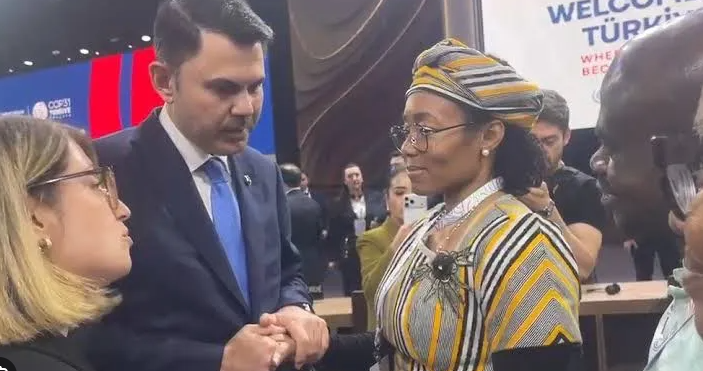
Diplomatic friction erupted in the final hours of the COP31 climate summit after Ghana’s Minister for Environment, Science and Technology, Dr. Zanetor Agyeman-Rawlings, formally protested being cut off while delivering Africa’s collective position. The dispute forced summit president Murat Kurum to issue an apology on the plenary floor in Antalya, Turkey.
Procedural Clash on the Plenary Floor
The confrontation unfolded during the closing plenary as delegates debated the summit’s final cover decision. Speaking on behalf of the African Group of Negotiators (AGN), a unified diplomatic bloc representing 54 African nations, Dr. Agyeman-Rawlings was halted mid-statement by the presiding chair.
The Ghanaian delegation immediately raised formal objections to the abrupt cutoff. Dr. Agyeman-Rawlings pointed out a sharp disparity in how different negotiating parties were treated during the session.
“I wish to express my profound disappointment that, while another Party was delivering its intervention on the COP cover decision, that delegate was allowed to speak without interruption. However, I was rudely interrupted and cut off while delivering my statement by Your Excellency,” she said.
Broader Frustrations Over Multilateral Fairness
For the African negotiating bloc, the microphone cutoff symbolized deeper grievances accumulated over two weeks of grueling talks. Dr. Agyeman-Rawlings, who is the daughter of Ghana’s late President Jerry John Rawlings, framed the incident as a violation of the core standards governing global climate diplomacy.
“This, Mr President, is an example of the level of disrespect we have endured and against which we continue to register our strongest objection,” she said.
She argued that silencing a regional representative undermined the transparency, fairness, and multilateralism foundational to the Paris Agreement. Emphasizing her personal and diplomatic commitment to the process, she noted that she had altered her flight arrangements twice and extended her stay by several days to fulfill her responsibilities and participate fully in the negotiations. She subsequently called for an opportunity to deliver her statement before the adoption of the final decision.
Presidency Moves to Defuse Tensions
Seeking to avert a procedural impasse, COP31 President Murat Kurum moved quickly to address the Ghanaian delegation’s complaints. He acknowledged the minister’s concerns and offered an apology to both Dr. Agyeman-Rawlings and the wider African Group of Negotiators.
Kurum stated that he had no intention of disrespecting Ghana, the minister, or the continent’s negotiating bloc. Affirming strong diplomatic ties between Turkey and Ghana, he apologized for the misunderstanding and restored the floor to the Ghanaian minister. Accepting the apology, Dr. Agyeman-Rawlings acknowledged the high-pressure environment of overtime negotiations and completed her address.
Substantive Disputes Over Climate Finance
Beneath the procedural dispute lay sharp disagreements over the substance of the final COP31 text. Once permitted to complete her intervention, Dr. Agyeman-Rawlings outlined the African Group’s reservations about the final climate decision, saying it fell short of the best possible outcome for the continent.
Specifically, the bloc raised concerns regarding the decision’s reaffirmation of the goal of at least tripling adaptation finance by 2035. African delegates noted that while the text retained the tripling language, it dropped specific monetary targets and left clear baselines unresolved. Throughout the summit, African countries pushed for stronger commitments on climate finance and support for vulnerable nations in the outcome of the negotiations.
High Stakes Ahead of Africa’s COP32 Presidency
The Antalya standoff carries heightened significance across Ghana and the broader continent as the United Nations climate presidency shifts to African soil. Ethiopia is scheduled to host COP32 in Addis Ababa in November 2027, placing African nations at the helm of resolving the unresolved finance and adaptation mandates left behind in Turkey.
For Ghana and its regional partners, the episode underscored the urgent need to move from contested pledges to predictable, grant-based funding for climate-vulnerable communities. While the presidency’s apology resolved the immediate protocol breach, the persistent divide between developing nations and wealthier emitters over the pace and scale of global climate funding remains the central test ahead of Addis Ababa.