


More than 1,000 Junior High School (JHS) candidates in the Mampong Municipal District of the Ashanti Region have been encouraged to pursue Technical and Vocational Education and Training (TVET) as a pathway to employment, entrepreneurship and national development.
The advice was given during a Career Guidance Programme organised by the Nhyira Charities Foundation, which brought together students to explore the link between education, skills development and economic growth.
The main speaker, Dr Patrick Essien, Founder of Molex Foundation Africa and Deputy Director of the Mining Department at the Environmental Protection Authority, stressed that Ghana’s economic transformation depends on building a skilled workforce capable of adding value to the country’s natural resources.

Speaking on the theme “TVET as Ghana’s Economic Drive”, he noted that while Ghana is endowed with resources such as gold, cocoa, timber, bauxite, oil and agricultural produce, the country continues to derive limited benefit due to inadequate value addition.
He explained that real economic gains are achieved when raw materials are processed into finished or semi-finished products through manufacturing, engineering, packaging and innovation, rather than being exported in their raw form.
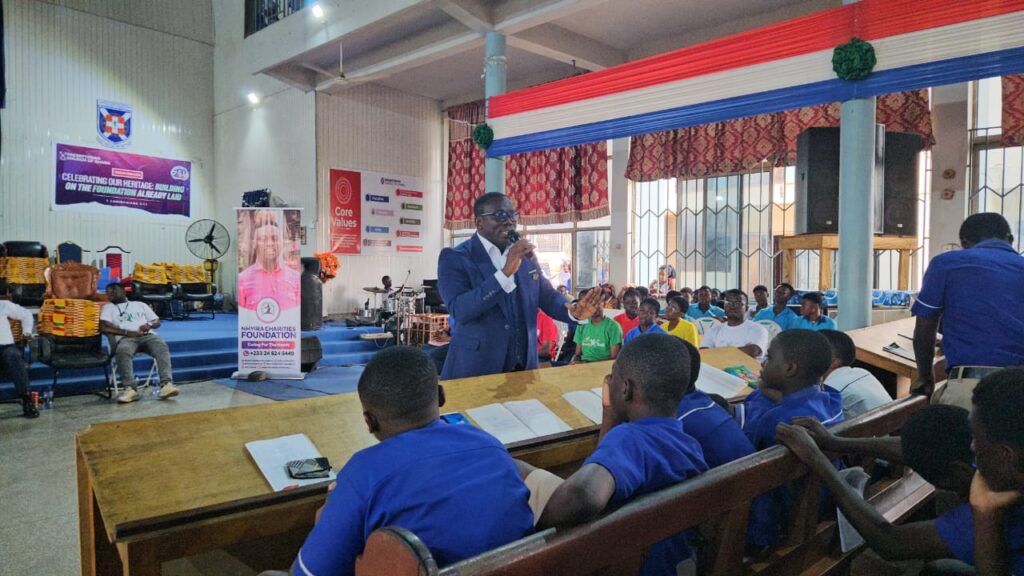
Dr Essien identified limited technical capacity and skills gaps as key constraints to Ghana’s industrial growth, arguing that TVET provides the practical competencies needed to bridge these gaps. He highlighted areas such as engineering, construction, agriculture, mining support services, renewable energy, food processing and digital technology as sectors where skilled labour is urgently needed.
He urged students to discard the perception that technical and vocational education is a second option, describing it instead as a credible and strategic pathway for young people to become productive and self-reliant.
He further noted that many graduates struggle to secure employment because their training does not align with labour market demands. In contrast, TVET focuses on hands-on skills that are directly relevant to industry needs.
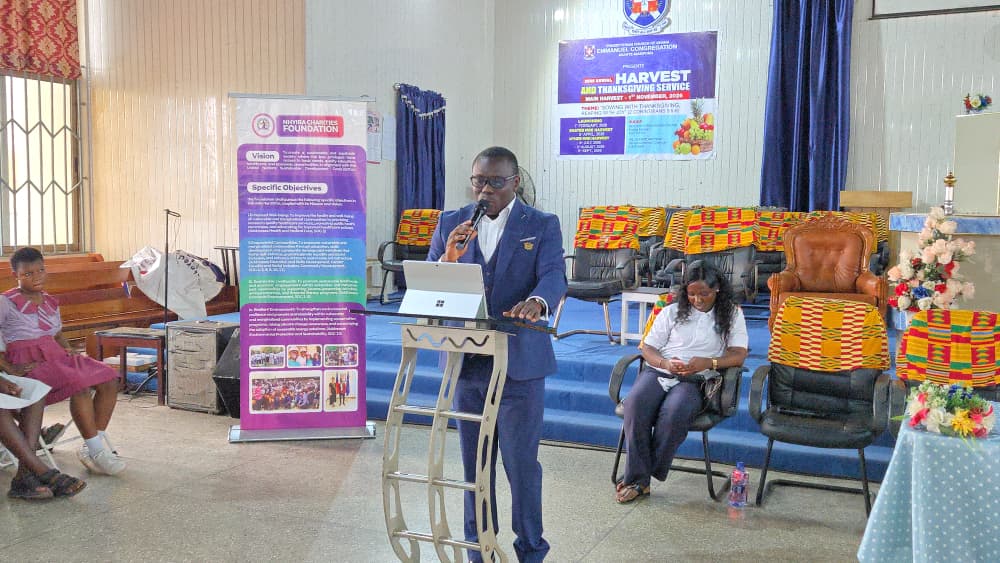
Dr Essien also emphasised the importance of preparing young people for a technology-driven future, where skills in automation, digital tools and innovation will be critical.
As part of his address, he highlighted initiatives by Molex Foundation Africa to promote STEM and TVET education, particularly among girls. He referenced the SHEROES in STEM programme, which provides mentorship and training in areas such as robotics, coding and artificial intelligence to help bridge the gender gap in technical fields.
He encouraged female students to pursue careers in science and technology, stressing the need for inclusive participation in Ghana’s skills development agenda.

Dr Essien commended the Nhyira Charities Foundation for organising the programme, describing it as timely and important in guiding students to make informed educational and career choices at an early stage.
The programme also served as a platform to call on parents, teachers and stakeholders to support TVET as a national priority, amid growing concerns about youth unemployment and skills mismatches.
Organisers said the initiative aims to equip young people with practical knowledge and inspire a shift towards skills-based education, positioning them not only to seek employment but to create opportunities for themselves and others.
DISCLAIMER: The Views, Comments, Opinions, Contributions and Statements made by Readers and Contributors on this platform do not necessarily represent the views or policy of Multimedia Group Limited.
DISCLAIMER: The Views, Comments, Opinions, Contributions and Statements made by Readers and Contributors on this platform do not necessarily represent the views or policy of Multimedia Group Limited.
Source link