
The current administration deserves credit for the ambition of its Big Push agenda. With GH¢30.8 billion earmarked for road infrastructure in 2026, more than double last year’s allocation, the political will is visible. But political will and durable roads are different things. And as this year’s rains have made devastatingly clear, the existing road network is deteriorating faster than any construction programme can compensate for.
The problem is not simply potholes. It is a structural bias in how the nation has historically allocated road spending; prioritising ribbon-cutting over asset preservation. New roads generate political capital. Maintenance does not. The result is a network where freshly commissioned roads coexist with existing ones that have quietly reverted to rubble, where patching crews return to the same holes season after season without ever addressing the primary issues.
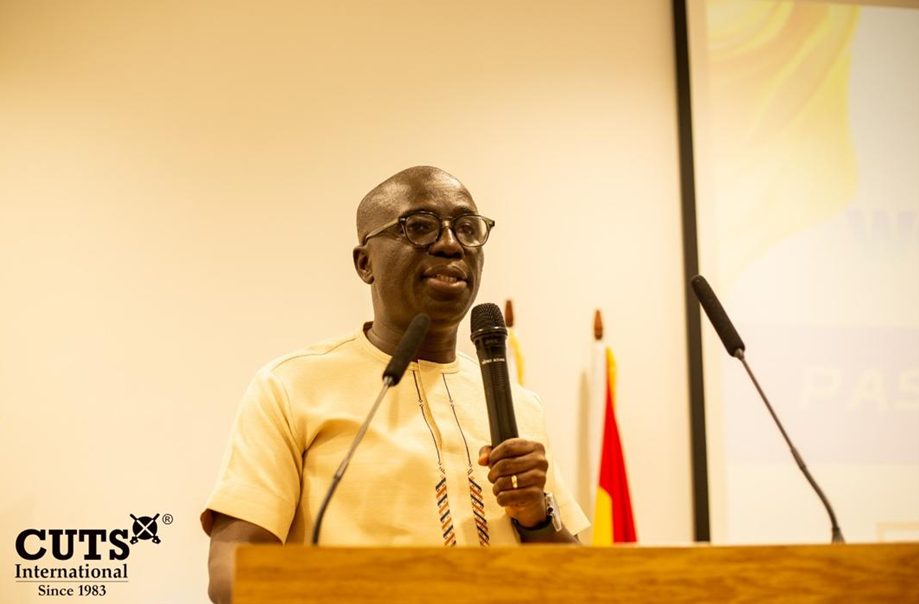
CUTS International’s call for increased Road Fund support in the upcoming Mid-Year Budget Review puts a number to the neglect. The 2026 Road Fund allocation of GH¢3 billion is nominally lower than 2025’s GH¢3.1 billion. In real terms, that is, accounting for inflation and the cedi’s depreciation, this represents a material reduction in maintenance capacity at precisely the moment when rainfall damage demands the opposite.
The toll revenue question deserves equal urgency. Ghana has now gone five years without road tolls, sacrificing a dedicated maintenance stream for a populist gesture that has cost road users far more in vehicle damage and fuel consumption than any toll ever would have.
A modern electronic tolling system, with revenues ringfenced transparently for maintenance, is not a burden on Ghanaians. It is an investment in the infrastructure that connects them to markets, hospitals and livelihoods.
None of this diminishes the case for new construction. But a road network is only as functional as its weakest link. Ghana cannot afford to build with one hand while allowing the other to crumble. The Mid-Year Budget is an opportunity to correct course, before the rains finish what neglect has started.
Post Views: 1
Discover more from The Business & Financial Times
Subscribe to get the latest posts sent to your email.