

There is an image that will not leave the minds of many any time soon. A pregnant woman steps into the detached restroom beside her home. The floor gives way. Beneath her, where the earth should be, there is a pit; dug by illegal miners who had tunneled under her house in search of gold, left and moved on. She did not know. Nobody told her. Nobody was accountable. Her corpse was brought out by a tractor bucket.
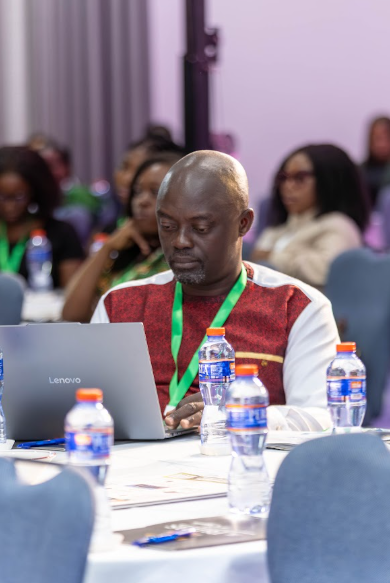
Erastus Asare Donkor showed that image at the Environmental Sustainability Summit 2026 and it did what no statistic quite can. It made the argument in a single frame. Two lives. A tractor bucket. And somewhere, gold.
We are a country that is simultaneously building a green finance architecture and destroying the ground it stands on. In 2024, we issued Green Bond Guidelines aligned with international capital market standards. We signed Article 6 carbon trading agreements with Switzerland, Sweden and Singapore. We established a Carbon Market Office and began positioning Ghana as a climate finance destination. These are real achievements. They deserve acknowledgement.
But almost 9,000 hectares of our forest reserves have been destroyed by illegal mining. Over 60 percent of our water-bodies are polluted. Cyanide, prohibited for small-scale miners by law, is being used in at least five districts. Fifty forest reserves are under active siege. And somewhere in a community we will not name, a pregnant woman fell into a pit that was dug under her home by people who have never been prosecuted – in a country that has launched eight anti-galamsey programmes since 2017 and seen all of them founder.
How do we sell carbon credits from forests we have not secured? How do we issue green bonds on the strength of ecosystems we are actively liquidating? And what does it say about us? About our politics, our institutions, our collective tolerance for impunity, that we know exactly what is happening and have known for years and the pits are still being dug?
Efforts are being made; for instance, like Gold Fields Ghana which has posted a US$107.2million closure bond for a single mine. It has reused 94 percent of its water. It has planted over 818,000 trees. The standard exists. It is being met, in Tarkwa, by a listed multinational with international accountability structures.
What it is not being effectively met is the sector operating in the dark, beneath our homes, beneath our rivers, beneath every aspiration this summit was convened to advance.
The ground beneath Ghana’s green agenda is not metaphorical. It is literal. And it is being hollowed out and taking lives with it.
Post Views: 1
Discover more from The Business & Financial Times
Subscribe to get the latest posts sent to your email.