

World Bank officials expressed growing confidence in Ghana’s economic recovery, pointing to the country’s improving macroeconomic indicators and policy discipline as evidence that reforms are gaining traction during the 2026 Spring Meetings of the International Monetary Fund (IMF) and World Bank Group (WBG) in Washington, D.C.
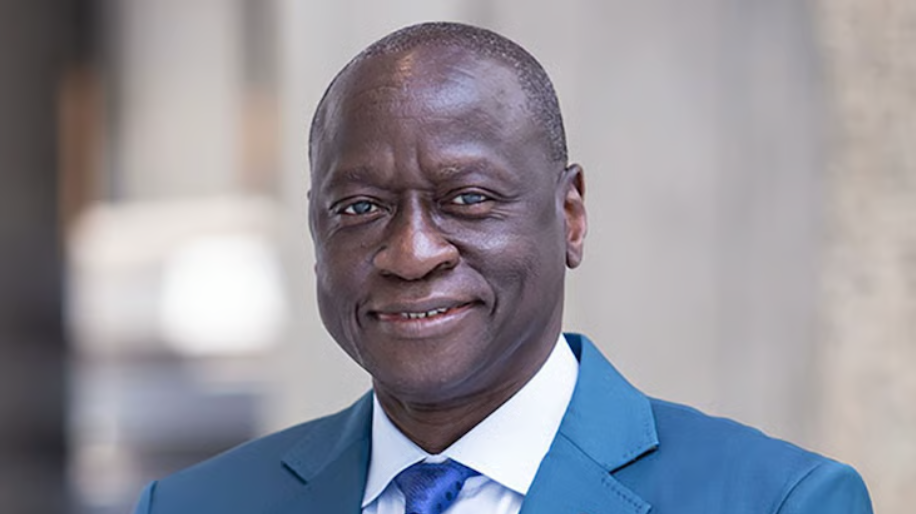
The Regional Vice President for Western and Central Africa, Ousmane Diagana, described the turnaround as impressive and signalling the Bank’s readiness to deepen support.
This endorsement comes at a time when the country is emerging from a period of acute macroeconomic stress marked by elevated inflation, currency volatility and debt restructuring.
Finance Minister Dr. Cassiel Ato Forson said the economy is now on a firmer footing, with policy efforts shifting toward consolidating gains and unlocking growth.
Dr. Forson cited a sharp decline in inflation – from about 23 percent to 3.2 percent – alongside improved exchange rate stability and continued investment in social programmes as key markers of progress.
Seynabou Sakho, Regional Practice Director for Prosperity (Macroeconomics, Trade and Investment), said Ghana’s fiscal reforms – particularly in debt restructuring and macroeconomic management – are increasingly being seen as a reference point within the region, signalling broader relevance of the country’s policy approach.
The Regional Practice Director for People (Education, Health and Social Protection), Trina Hague, praised efforts to sustain social protection programmes despite fiscal tightening – describing this as critical in preserving social stability during adjustment.
Ghanaian officials outlined that the next-phase agenda centres on the agriculture, energy, education and infrastructure sectors, viewed as essential to driving inclusive and durable growth. This strategy aims to shift the economy from macroeconomic repair toward productivity expansion and job creation.
IMF’s Chief Economist and Director of Research indicated that central banks, including the Bank of Ghana, should avoid rushing to increase policy rates in response to current disruptions.
Central banks are being urged to closely monitor developments before taking policy decisions.
The Fund’s outlook suggests inflation, currently around 3.2% as of March, could rise in the coming months before settling at 7.9% at the end of 2026. Analysts believe inflation may rise in the short-term before easing toward end of the year.
Post Views: 39
Discover more from The Business & Financial Times
Subscribe to get the latest posts sent to your email.