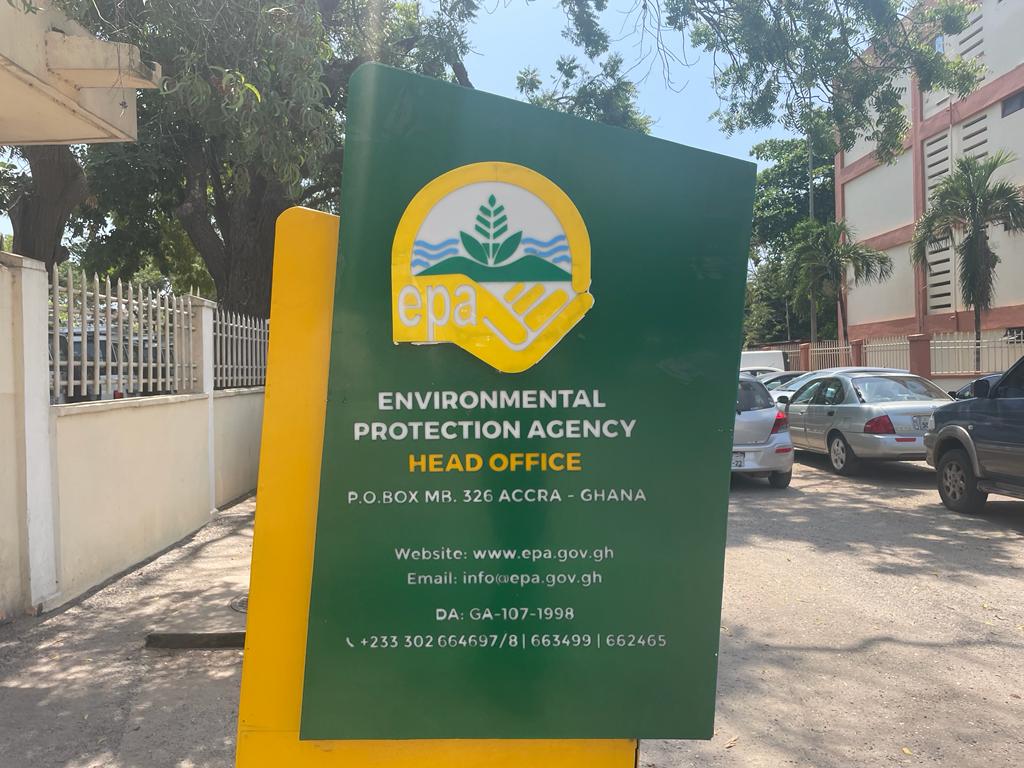
The Environmental Protection Authority (EPA) has called on the public to take decisive steps to reduce noise pollution, warning of its growing impact on public health and environmental wellbeing.
In a statement issued on Tuesday, 29th April 2026, to mark International Noise Awareness Day under the theme “The Sound of Tomorrow,” the Authority underscored the need for collective responsibility in managing noise levels across the country.
“Sound is essential in our day-to-day lives; however, noise , defined as loud or undesirable sound, can become both a nuisance and a serious health concern depending on its intensity, frequency and timing,” the EPA stated.
The Authority highlighted that excessive noise not only disrupts communication but also contributes to a range of physiological and psychological conditions. These include cardiovascular diseases, headaches, stress, fatigue, sleep disturbances and noise-induced hearing loss.
“Noise pollution reduces productivity and can even affect the intelligence quotient of children, with its impact disproportionately felt among children and the elderly,” the statement noted.
According to the EPA, noise is generated from a wide spectrum of everyday activities, including religious events, commercial operations, transport systems, industrial processes and social gatherings such as funerals and weddings. The use of generators, public address systems and outdoor loudspeakers was also identified as a major contributor.
To address these concerns, the Authority pointed to the Ghana Standard for Health Protection—Requirements for Ambient Noise Control (GS 1222:2018), which outlines permissible noise levels for various zones.
“Noise pollution can be prevented. We therefore urge all Ghanaians to comply with the provisions of GS 1222 and take practical steps to reduce noise from their daily activities,” the EPA emphasised.
Among the recommended measures are limiting the use of loudspeakers in residential areas, maintaining equipment to minimise noise output, and avoiding the use of vehicles and machinery that produce excessive or jarring sounds.
The EPA further advised that noisy machinery should be installed away from residential boundaries, with appropriate barriers or soundproofing materials in place, while open-air activities must be managed to prevent disturbance.
“Protect your hearing today for a healthier tomorrow — tune down the volume,” the Authority urged, calling on the public to actively support awareness efforts and contribute to a quieter, healthier environment.
The EPA reaffirmed its commitment to safeguarding environmental quality, stressing that protecting the environment remains a shared national duty.
DISCLAIMER: The Views, Comments, Opinions, Contributions and Statements made by Readers and Contributors on this platform do not necessarily represent the views or policy of Multimedia Group Limited.
DISCLAIMER: The Views, Comments, Opinions, Contributions and Statements made by Readers and Contributors on this platform do not necessarily represent the views or policy of Multimedia Group Limited.
Source link