By: Franklin ASARE-DONKOH
Minister of Finance, Dr. Cassiel Ato Forson, unveiled the eight interconnected pillars which the government’s US$10 billion “New Economy” Programme is hinged on. The four-year industrial transformation blueprint is designed to transition Ghana from macroeconomic stabilization to large-scale domestic production and job creation.
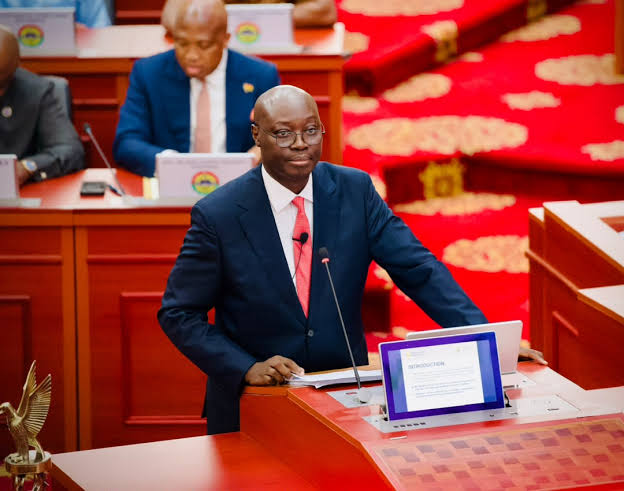
Presenting the 2027 Budget Statement and Economic Policy to Parliament on Thursday, November 12, Dr. Ato Forson explained that the programme running from 2027 to 2030, focuses on adding value to Ghana’s raw materials, reducing import dependency, and expanding opportunities for young people.
The Minister listed the eight core pillars driving the agenda as:
1. Macroeconomic Stability and Affordable Finance: Preserving single-digit inflation and fiscal discipline while expanding access to credit at lower-cost to farmers, manufacturers, and exporters.
2. Commercial Agriculture, Agri-Industry, and Agribusiness: Scaling up large-scale farming and agro-processing to ensure food security and supply raw materials for local factories.
3. The Oil Palm Value Chain: Developing dedicated plantations and processing infrastructure to boost domestic production and export earnings.
4. Energy Sector Reforms and Infrastructure: Delivering reliable, cost-effective power to support continuous industrial activity under the 24-Hour Economy policy.
5. Critical Minerals and Value Addition: Shifting away from raw mineral exports by building local refining and processing capacity.
6. Cotton, Textiles, and Garments: Revitalizing the local textile value chain to create jobs and link Ghanaian enterprises to international fashion markets.
7. Tourism, Culture, and Creative Arts: Turning Ghana’s cultural heritage and creative talent into thriving commercial enterprises and foreign exchange earners.
8. Pharmaceutical Manufacturing Hub: Expanding domestic production of essential medicines and vaccines to strengthen health security and supply regional markets across Africa.
Dr. Ato Forson emphasized that the eight pillars are designed to reinforce one another, noting that the government aims to achieve real GDP growth of around 8 percent and bring unemployment below 8 percent by 2030.