By Ashiadey Dotse
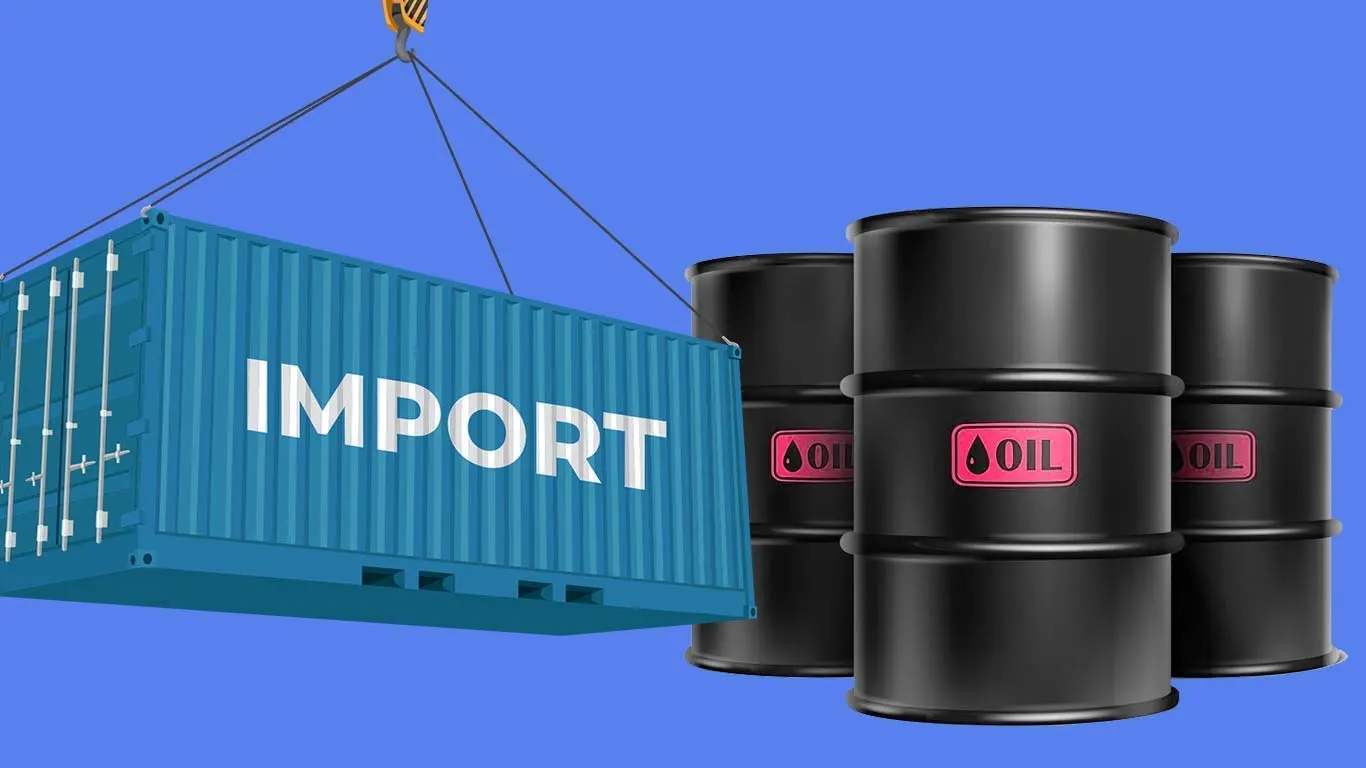
Ghana’s growing dependence on imported fuel has put pressure on the country’s trade position, with fuel and mineral products making up about 30% of total imports in the second quarter of 2026.
Data from the Ghana Statistical Service (GSS) show that diesel was the country’s largest single import during the period, costing GH¢12.2 billion.
Super petrol imports also accounted for about GH¢8 billion.
The high cost of fuel imports contributed to a 47.5% increase in Ghana’s total import bill between the first and second quarters of the year.
The GSS said rising international fuel prices were a major factor behind the increase.
Overall import prices went up by 22.7%, while fuel import prices rose sharply by 54.1% during the quarter.
As a result, Ghana’s trade surplus dropped from GH¢46.1 billion in the first quarter to GH¢13.8 billion in the second quarter, representing a decline of 70.1%.
The GSS has also warned that Ghana’s strong trade surplus is largely being supported by high export prices, particularly gold, rather than significant increases in the volume of goods exported.
It said this makes the economy vulnerable to changes in global commodity prices.
The Statistical Service is therefore calling for greater efforts to diversify Ghana’s exports, increase local processing and create more value from locally produced goods.
It has also urged stronger implementation of the African Continental Free Trade Area (AfCFTA), improved transport and border infrastructure, and better access to financing for exporters.
According to the GSS, strengthening domestic production while reducing dependence on a few major exports will be important to building a more resilient trade position.