
The Ministry of Fisheries and Aquaculture Development (MoFA), in collaboration with the Fisheries Commission (FC), has officially announced the implementation of the 2026 Closed Fishing Season for Ghana’s marine fishing fleet. The measure forms part of renewed efforts to restore depleted fish stocks and ensure the long-term sustainability of the sector.
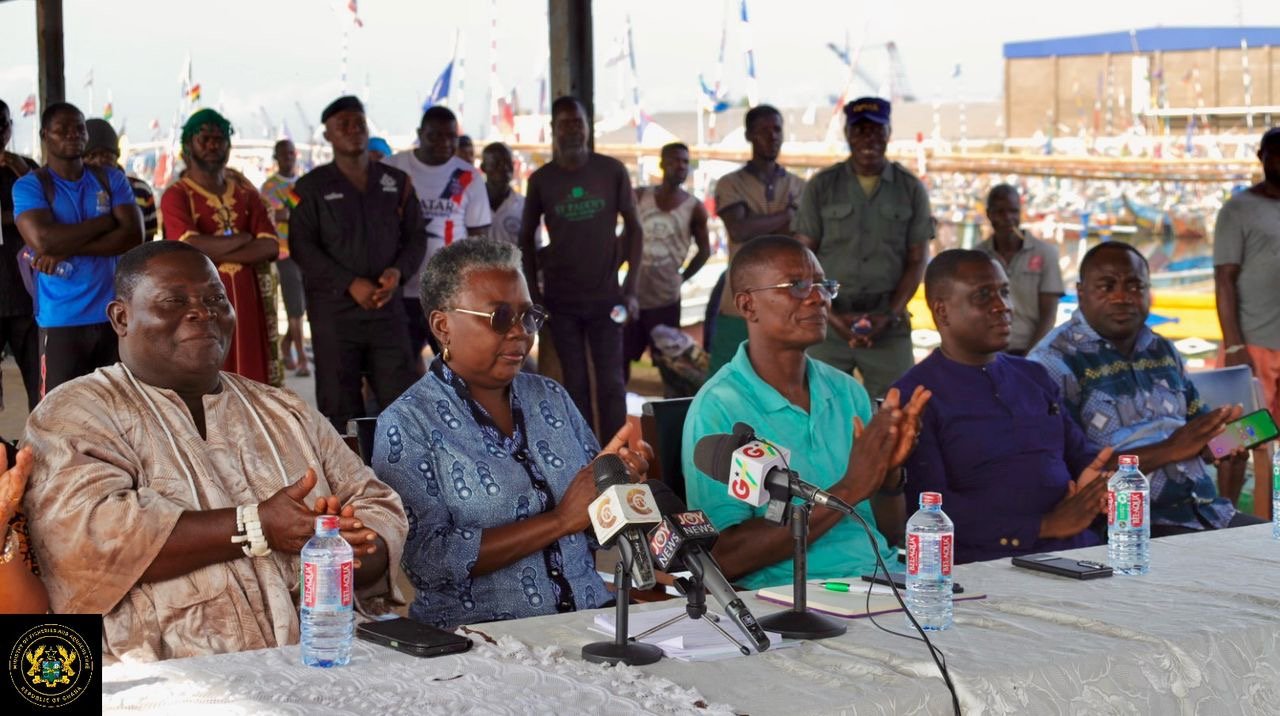
The announcement was made by the Minister for Fisheries and Aquaculture, Emelia Arthur, during a press conference held at the Tema Canoe Fishing Basin on Tuesday.
According to the Ministry, the exercise is in line with Section 47 of the Fisheries and Aquaculture Act, 2025 (Act 1146). It is based on scientific recommendations as well as international best practices aimed at rebuilding marine fish stocks.
“The Closed Fishing Season remains one of the government’s most critical fisheries management tools. It is designed to allow fish stocks to recover and replenish, thereby securing the livelihoods of fishing communities and ensuring food security for the nation,” the Minister stated.
Under the 2026 schedule, industrial trawlers will observe a two-month closure from July 1 to August 31, while semi-industrial (inshore) vessels will undergo a one-month closure from July 1 to July 31.
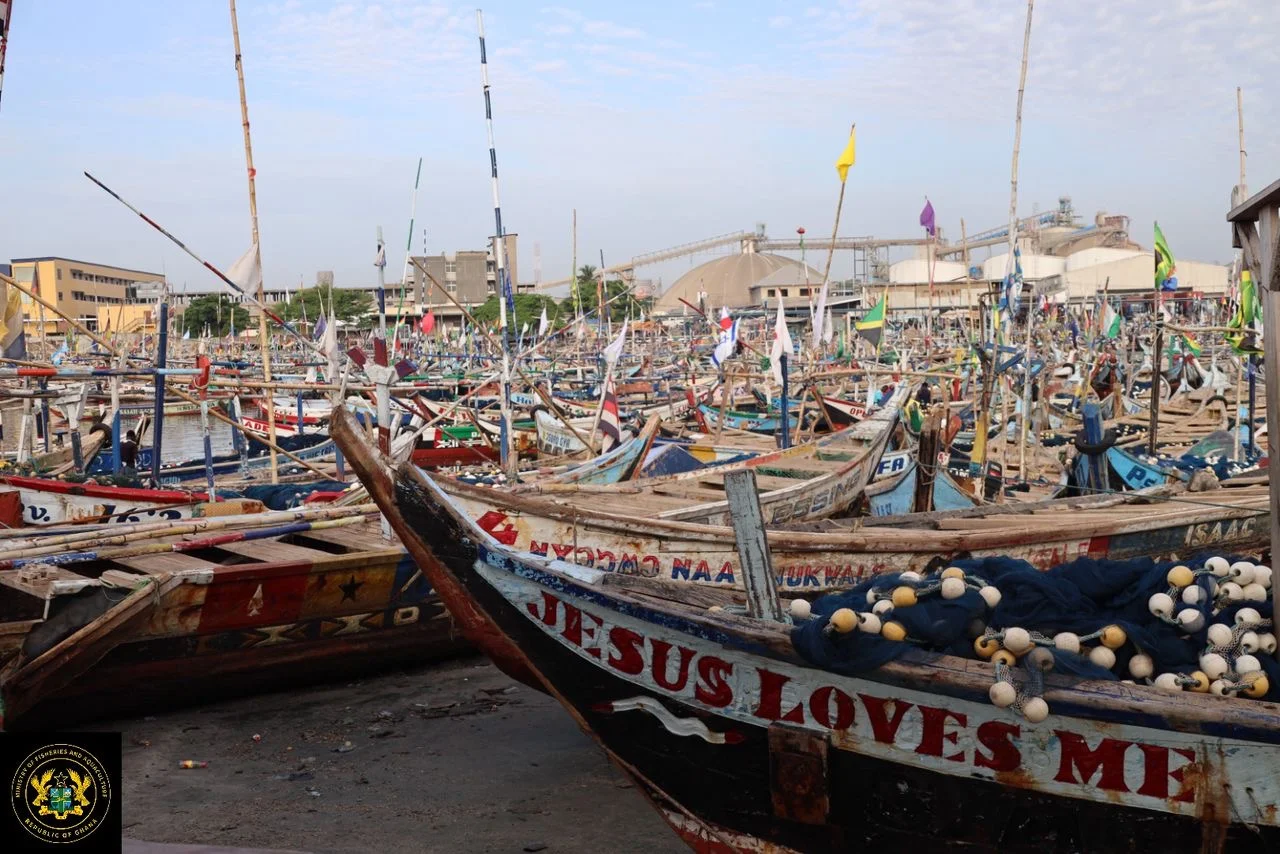
Marine artisanal canoe fishers, however, have been exempted from this year’s closure. The Ministry explained that the exemption is intended to protect the livelihoods of artisanal fishing communities while maintaining an inclusive approach to fisheries management. Despite the exemption, artisanal fishers are required to comply with existing fisheries regulations and continue observing traditional fishing holidays as determined by their communities.
The Ministry further reiterated its strong stance against illegal, unreported, and unregulated (IUU) fishing practices, including light fishing and the use of harmful substances such as chemicals and explosives. These activities, officials stressed, continue to undermine conservation efforts and threaten the sustainability of the sector.
To ensure compliance, enforcement operations will be intensified nationwide. The Fisheries Enforcement Unit (FEU), in collaboration with other state agencies, will conduct rigorous monitoring, control, and surveillance activities across landing sites and fishing zones.
Offenders who violate the closed season directive will face strict sanctions under the Fisheries and Aquaculture Act, 2025. The Ministry also indicated that it will deepen collaboration with Metropolitan, Municipal and District Assemblies (MMDAs), traditional authorities, and fisher associations to promote awareness and voluntary compliance.
Beyond the closed season, the government is rolling out additional conservation measures to strengthen fisheries governance. Notably, Ghana is set to officially declare its first Marine Protected Area (MPA) at the Greater Cape Three Points area — a move expected to significantly boost marine biodiversity conservation and fish stock recovery.
The Ministry emphasized that it will continue working with the scientific community to evaluate the biological, social, and economic impacts of the closed season to ensure policies remain evidence-based and adaptive.
Stakeholders, including chief fishermen and fisheries association leaders, have been urged to support the initiative by educating their members and encouraging full compliance.
The government expressed appreciation to all stakeholders for their continued cooperation, noting that collective action remains key to safeguarding Ghana’s marine resources for future generations.