
Three more deaths reported in Gbiniyiri violence as thousands seek refuge across international borders.
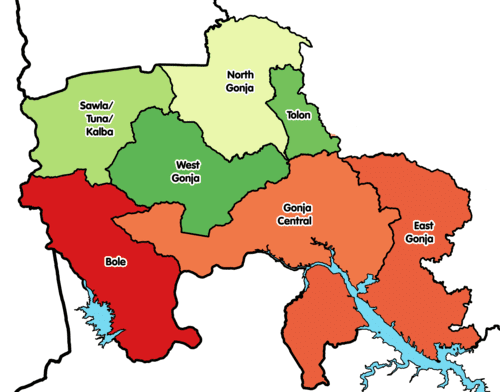
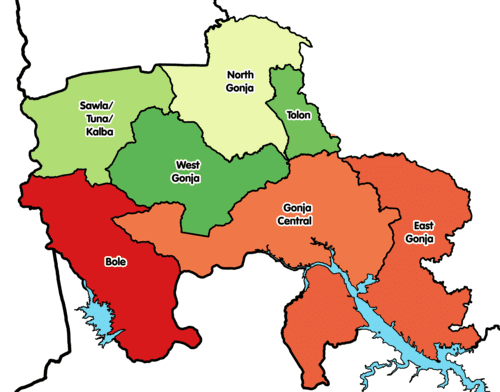
Land conflict in Ghana’s Savannah Region has claimed three additional lives, bringing the confirmed death toll to 31 as violence spreads across 12 communities in the Sawla-Tuna-Kalba District.
The National Disaster Management Organisation reports over 48,000 residents have fled their homes since clashes erupted on August 24, with approximately 14,000 people crossing into Burkina Faso and Côte d’Ivoire seeking safety. The majority of displaced persons are women and children.
Thousands remain in temporary camps in Sawla under the care of NADMO and the Ghana Red Cross, where humanitarian conditions continue deteriorating. Displaced families report receiving only one meal daily, creating severe hardship for children and vulnerable populations.
“We left everything behind when the fighting started. Now we have nothing to feed our children,” said Alhassan Osman, a displaced resident struggling to support his family at the Sawla camp.
Savannah Regional Minister Salisu Bi-Awuribe confirmed security reinforcements have been deployed to restore order in affected areas. The Regional Security Council is coordinating with traditional leaders, including the Yagbonwura, to develop lasting conflict resolution measures.
“The situation is under control now,” Bi-Awuribe told local media, though ongoing displacement suggests tensions remain high across the region.
However, some residents allege the actual casualty count far exceeds official figures, claiming over 200 people have died since violence began. Several displaced persons reportedly drowned while attempting to cross the Black Volta River into Côte d’Ivoire, adding to the human cost of the crisis.
The land dispute represents one of Ghana’s most serious internal displacement crises in recent years, highlighting ongoing challenges around resource conflicts in the country’s northern regions. Traditional land ownership systems often clash with modern legal frameworks, creating conditions for violent disputes.
Agness Dawuda, another displaced resident, appealed directly to government officials and international humanitarian organizations for immediate assistance. She described conditions as worsening daily, with inadequate food, water, and medical supplies reaching affected populations.
The crisis has exposed gaps in Ghana’s emergency response capacity, as NADMO and Red Cross resources strain under the massive displacement. International partners have not yet announced specific aid packages for affected communities.
Ghana’s northern regions have experienced periodic land-related violence as competition intensifies over scarce agricultural resources. Climate change and population growth continue pressuring traditional land management systems, creating potential for future conflicts.
Security forces remain deployed across affected communities while traditional authorities work to mediate between conflicting groups. The government has not announced timeline estimates for when displaced families might safely return home.