By Nana Karikari, Senior Global Affairs Correspondent
The Ghana Tertiary Education Commission has halted new admissions into PhD programmes across tertiary institutions nationwide. The higher education regulator took the step as officials launch a comprehensive review of doctoral training.
Scope of the Nationwide Audit
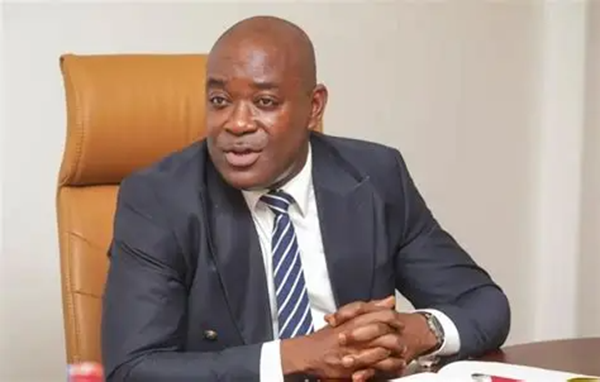
Director-General Professor Abdullah Jinapor outlined what the review will examine. Auditors will check programme accreditation status and student enrolment figures. They will also evaluate supervisor qualifications, research facilities, completion rates, and thesis examination practices.
Credibility and Enrolment Concerns
Professor Jinapor spoke at the University of Mines and Technology’s 19th Congregation in Tarkwa. He said the exercise seeks to protect the standing of Ghanaian doctoral degrees both at home and abroad.
“Its purpose is not to punish; it is to protect the credibility of the Ghanaian doctorate, so that a PhD earned in Ghana commands respect at home and abroad.”
He raised alarm over heavy admissions into certain doctoral tracks. That growth prompted questions about whether schools have enough qualified supervisors and resources to support candidates. As an example, he pointed to one institution that enrolled over 250 PhD students, including 52 in a single programme.
Revenue-Driven Programmes and Temporary Freeze
Professor Jinapor warned that schools running doctoral degrees mainly for revenue risk suspension. Strong performers will face a different outcome once evaluators review their records.
“Those that are doing well, like UMaT, we’ll allow you to. But those that are producing them for the sake of money, we are going to stop it. So, in the meantime, GTEC, unfortunately, is putting a freeze on the acceptance of new PhD applications until we are done with this exercise.”
Lecturer Staffing and Institutional Autonomy
Separately, Professor Jinapor rejected claims that the commission is hiring lecturers for universities. He stressed that individual institutions control their own faculty appointments. Instead, the commission has been helping universities connect with qualified PhD holders to ease faculty shortages. He reported that the effort identified 97 PhD holders, some of whom showed interest in academic roles.
“GTEC does not recruit, appoint or post lecturers to any institution. Recruitment remains the responsibility of each institution under its own Act, statutes and appointment procedures. And that autonomy remains fully intact.”
Calls for Partnership Across Higher Education
Professor Jinapor called on the University Teachers Association of Ghana and university leaders to back the commission’s quality oversight. At the same time, he urged them to uphold the institutional independence of higher education bodies. How universities, faculty unions, and regulators balance academic standards with campus autonomy will shape the long-term impact of the review.