

Ghana has urged African parliaments to strengthen oversight of the African Continental Free Trade Area (AfCFTA) to ensure governments turn the agreement’s commitments into measurable results.
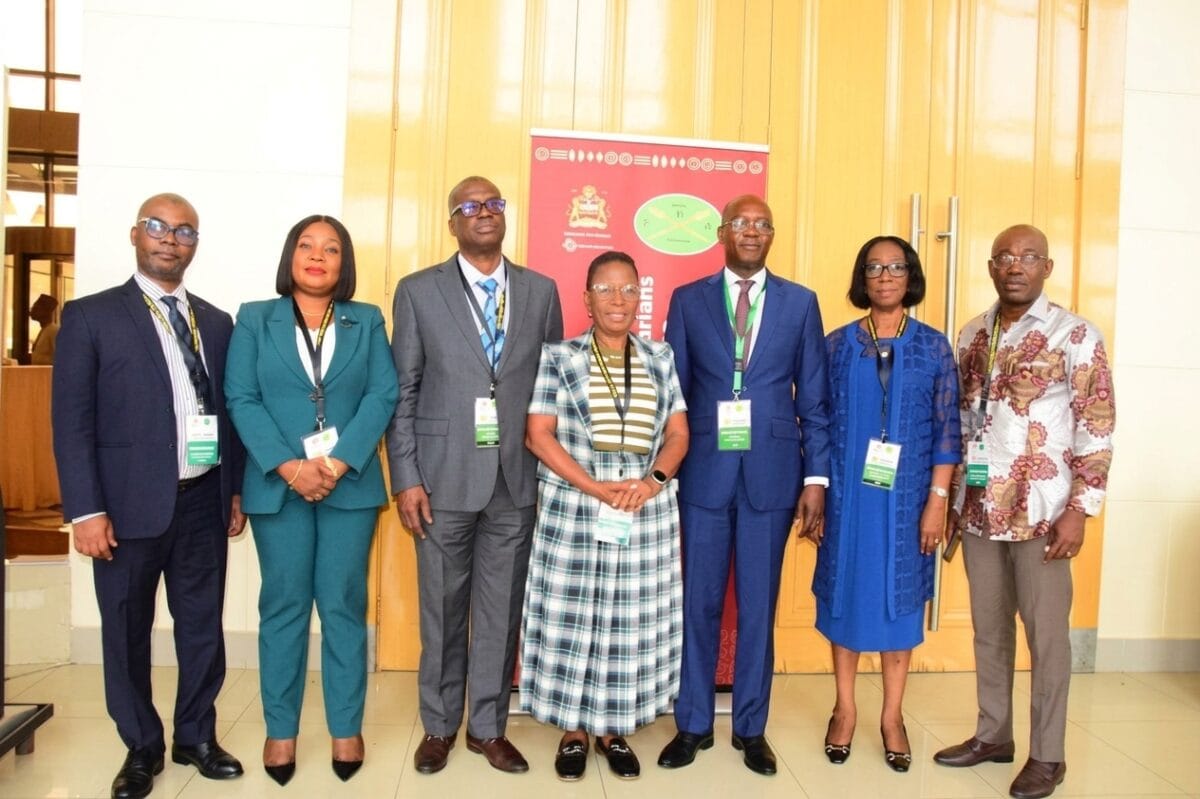
The call was made at the 55th Commonwealth Parliamentary Association (CPA) Africa Region Conference in Lilongwe, Malawi, where Ghana’s delegation was led by First Deputy Speaker Bernard Ahiafor.
The delegation said signing the AfCFTA agreement was only the beginning and that parliaments must now hold governments accountable for its implementation.
The agreement covers all 55 African Union member states, about 1.4 billion people and a combined GDP of approximately US$3.4 trillion. World Bank projections indicate that the agreement could increase regional incomes by up to 9 percent, create 18 million jobs and lift 50 million people out of poverty by 2035, but the delegation stressed that these gains depend on effective implementation.
The delegation noted that African countries continue to trade more with countries outside the continent than with one another due to high transport costs, weak infrastructure and non-tariff barriers.
It proposed five questions for parliamentary oversight of AfCFTA commitments: what was promised, who is responsible, what resources were allocated, what has been achieved and what corrective action should follow when implementation stalls.
The delegation called for legislative reviews, budget tracking and mandatory annual government reports on AfCFTA implementation.
It also identified border delays, documentation and certification requirements, weak digital infrastructure, cybersecurity gaps and challenges with cross-border payments as barriers to trade.
The delegation urged governments to assess tax incentives and industrial policies based on actual outcomes, including enterprises established, local content used and jobs created.
Ghana’s record was presented as a case study, including its hosting of the AfCFTA Secretariat, issuance of 105 certificates of origin by October 2024, up from one in 2022, and its position as Africa’s leading exporter of digitally delivered services, valued at about US$6.2 billion in 2022.
It also cited the National AfCFTA Coordination Office, an AfCFTA digital trade hub, and free zones that employed more than 35,000 people and generated nearly US$973 million in export earnings in 2025.
The address ended with six proposed resolutions focused on strengthening parliamentary scrutiny of AfCFTA laws, budgets and institutions, requiring annual implementation reports, and monitoring customs and non-tariff barriers.
It also called for sustained funding, greater participation of SMEs, women, youth and informal traders, and deeper inter-parliamentary cooperation through SoCATT and other networks.