By: Marcella Mwinkoma Babing
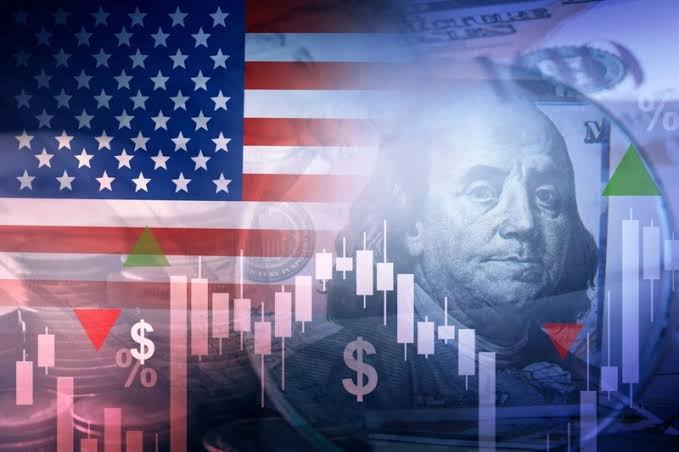
Global financial markets are facing renewed uncertainty following stronger than expected inflation figures in the United States, raising concerns that the US Federal Reserve could increase interest rates more aggressively in December.
Data released on Tuesday, November 10, 2026, showed that US consumer prices rose by 0.4 percent in October, exceeding economists’ expectations of 0.3 percent.
Core inflation, which excludes volatile food and energy prices, also increased by 0.3 percent, above the 0.2 percent forecast.
The figures have strengthened expectations that the Federal Reserve may raise its benchmark interest rate at its December 8–9 policy meeting.
Federal Reserve Governor Christopher Waller has indicated support for at least a 0.25 percentage-point increase, adding that a larger 0.5 percentage-point hike should be considered if underlying inflation remains elevated.
The development has unsettled financial markets, with US Treasury bond yields rising, the dollar strengthening and gold prices coming under pressure.
US stocks also declined following the inflation announcement, as investors assessed the possibility of higher borrowing costs for businesses and households.
For emerging economies such as Ghana, the developments could have significant implications.
A stronger US dollar could put pressure on currencies in emerging markets, potentially increasing the cost of importing goods, fuel, machinery and other essential products.
Higher US interest rates could also make international borrowing more expensive for countries and businesses that depend on foreign financing.
For Ghana, where exchange rate stability, inflation control and debt management remain important economic priorities, developments in the US financial market are worth watching closely.
However, the impact will depend on how the Federal Reserve eventually responds and how international investors adjust their portfolios.
Marcella’s Take: When the United States adjusts its interest rates, the consequences can travel far beyond its borders. For Ghana, the concern is not just what happens to the dollar, but what it could mean for the cedi, import prices, businesses and the cost of borrowing.