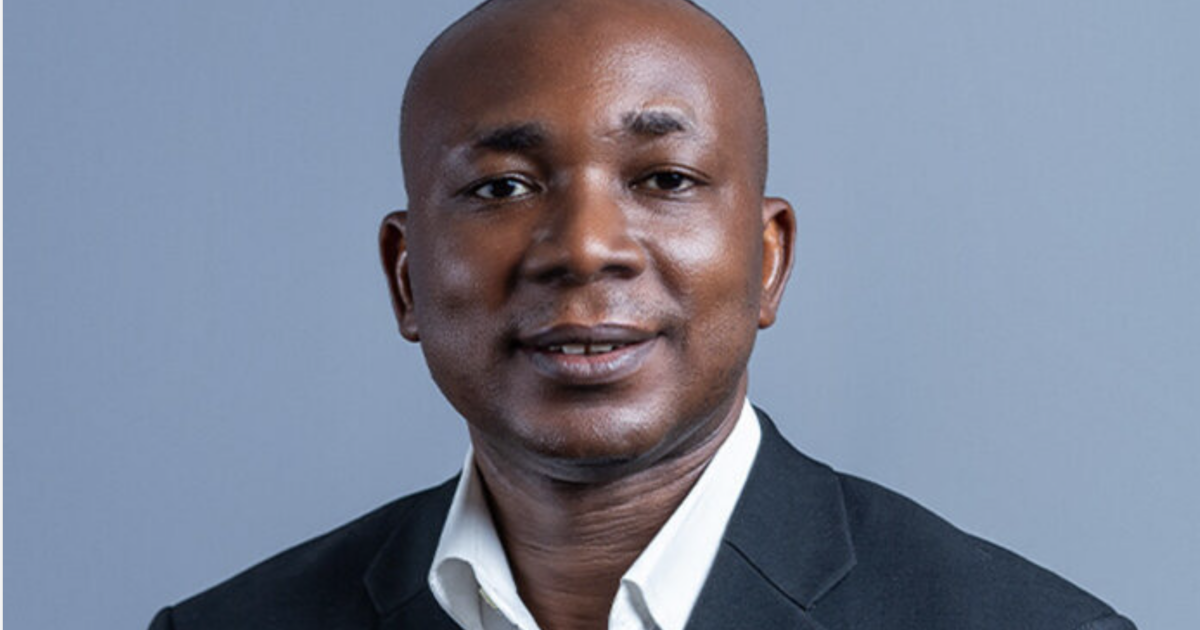

Economics professor Godfred Alufar Bokpin says government’s heavy reliance on spending cuts is cooling the economy and squeezing demand, even as key economic indicators improve.
Speaking on Joy News’ PM Express on Tuesday, he said the approach was helping restore stability. But its benefits would take time to reach ordinary Ghanaians.
“So if you rely extensively on expenditure cuts, you restore macroeconomic stability. You cool the economy.”
“You are shrinking aggregate demand as a way of also bringing inflation down, rather than expanding the economy’s severe or restricted supply capacity.”
His assessment comes ahead of the 2027 Budget, scheduled for presentation to Parliament on Thursday, November 12.
The government plans to use its New Economy agenda to shift from stabilisation to investment, jobs, and higher incomes.
The Minority has questioned how the programme will be financed. It has also demanded an account of existing flagship programmes, citing weak sales and concerns about the gap between falling inflation and household living costs.
Prof Bokpin said the 2026 Budget remained heavily dependent on spending restraint, continuing the approach adopted in 2025.
He warned that Ghana’s infrastructure needs made extensive spending cuts particularly difficult to celebrate. He argued that government spending was needed to address constraints on growth.
“If you choose that approach, you will get the result, but the impact will not be felt by Ghanaians.”
He illustrated the disconnect with travellers’ experience of long journeys on poor roads.
“If somebody is spending nine to 12 hours to travel from here to Kumasi, inflation of 5.2% means nothing to that person.”
For him, that explains why improving national figures may offer little immediate comfort.
“It’s simply because the approach we have adopted in restoring macroeconomic stability is going to take a while to reflect in the lives of Ghanaians.”
Still, Prof Bokpin credited the government with progress. He cited falling inflation and interest rates, reserve accumulation and the cedi’s relative resilience despite renewed pressure.
He said restoring stability had been the administration’s stated priority for its first two years. The approach also reflected the IMF programme’s stabilisation objectives.
“I would say they’ve done quite well in restoring macroeconomic stability,” he said.
DISCLAIMER: The Views, Comments, Opinions, Contributions and Statements made by Readers and Contributors on this platform do not necessarily represent the views or policy of Multimedia Group Limited.
DISCLAIMER: The Views, Comments, Opinions, Contributions and Statements made by Readers and Contributors on this platform do not necessarily represent the views or policy of Multimedia Group Limited.
Source link