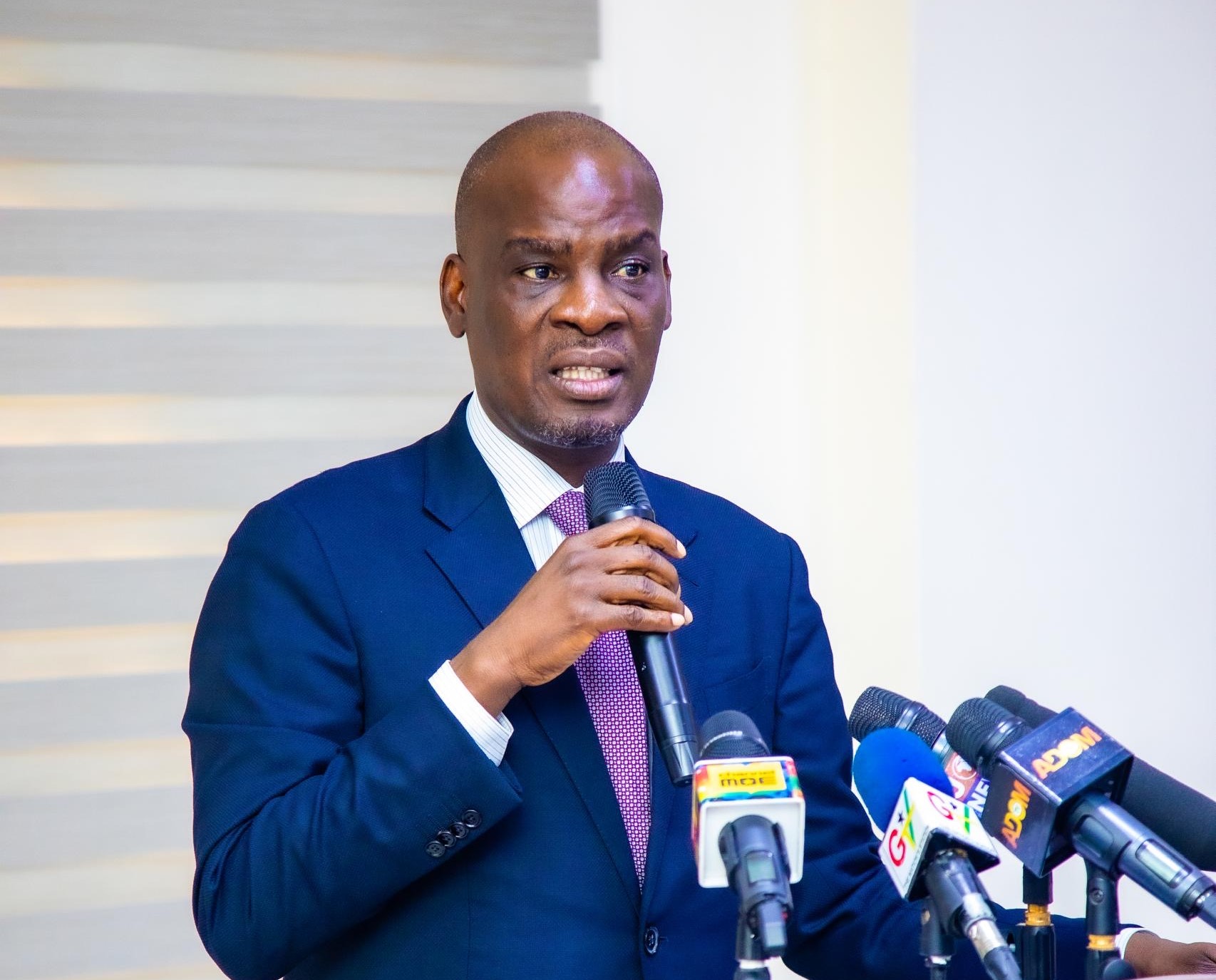
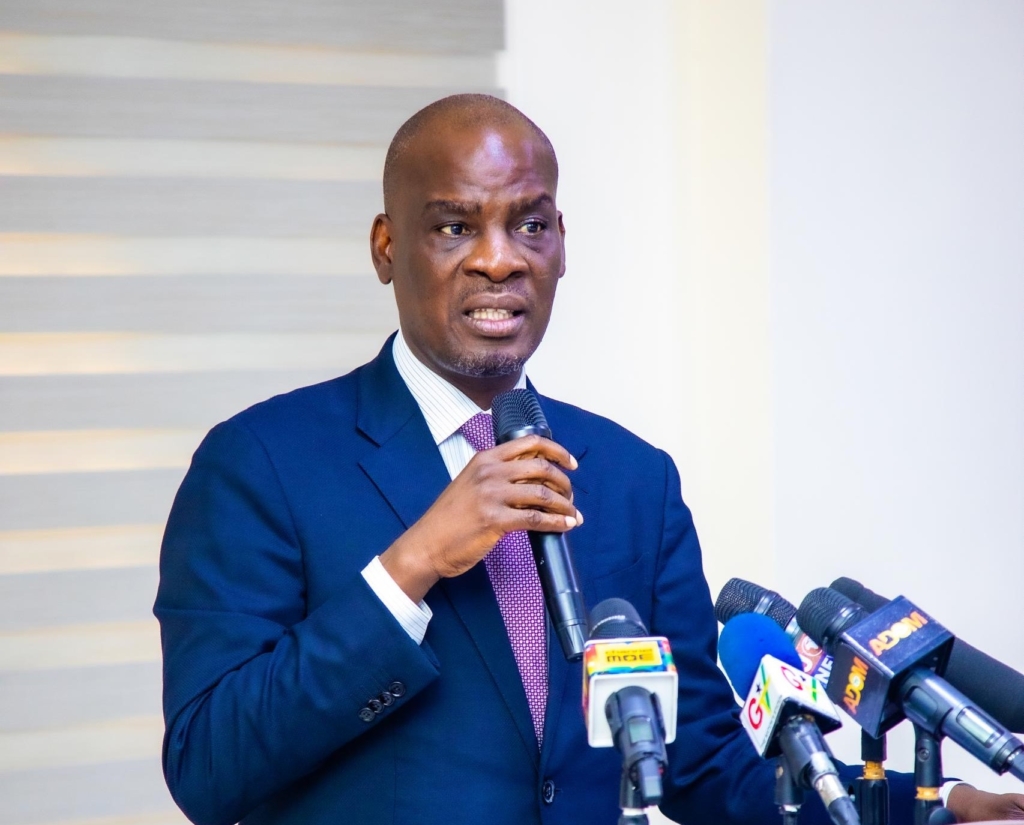
Haruna Iddrisu, Education Minister.
The government is set to commit about GH¢2.8 billion from the US$300 million STARR-J facility to infrastructure aimed at expanding access to secondary education across the country.
The Ministry of Education says other portions of the facility will support quality assurance and textbooks.
The Education Minister, Haruna Iddrisu, has directed his team to ensure the projects are procured through a transparent and competitive process.
Speaking at the Ghana and Regional Foundational Learning Evidence and Implementation Support Day, Mr Iddrisu said the government must also redirect greater attention and investment to basic education, particularly literacy and numeracy.
“We need to prioritise basic foundational learning, realign and direct investment into foundational learning, recognising that foundational learning unmistakably is a gateway to the success of any educational system.”
He said education outcomes must be judged by whether children are actually acquiring the competencies expected at their grade level, rather than only by the infrastructure provided.
The Minister cited an Auditor General’s report which he said found about 10,700 public basic schools in 13 regions, with more than three million pupils, without classrooms.
He said the situation demands an urgent government response, particularly because Ghana’s Constitution guarantees free, compulsory and universal basic education.
“It is not for nothing that the framers of the Constitution identified free, compulsory, universal basic education. But the irony, you are talking about free secondary education when you haven’t achieved free, compulsory, universal basic education.”
Mr Iddrisu also stressed that education policy and resource allocation must be driven by evidence, citing the Ghana Accountability for Learning Outcomes Project (GALOP), which he said used evidence to identify approximately 10,579 low-performing basic schools and direct additional resources and technical support to them.
He further announced that Ghana’s revised curriculum from kindergarten to Primary Six will strengthen digital and technical skills, with robotics, coding, electronics and artificial intelligence being introduced as part of foundational learning.
He said the revised curriculum will be presented to Cabinet for policy guidance after the Ghana Education Service completes its review.
DISCLAIMER: The Views, Comments, Opinions, Contributions and Statements made by Readers and Contributors on this platform do not necessarily represent the views or policy of Multimedia Group Limited.
DISCLAIMER: The Views, Comments, Opinions, Contributions and Statements made by Readers and Contributors on this platform do not necessarily represent the views or policy of Multimedia Group Limited.
Source link