
By Joshua Worlasi AMLANU
The country is seeking to broaden how it measures national progress beyond traditional economic growth indicators, with Ghana Statistical Service (GSS) leading efforts to develop a framework that incorporates well-being, environmental sustainability, resilience and social inclusion into policy planning and decision-making.
The initiative, discussed at a policy workshop in Accra on ‘Measuring What Matters in Ghana: Inclusive and Sustainable Growth Beyond GDP’, reflects a growing global shift toward supplementing Gross Domestic Product (GDP) with indicators that provide a more comprehensive assessment of development outcomes.
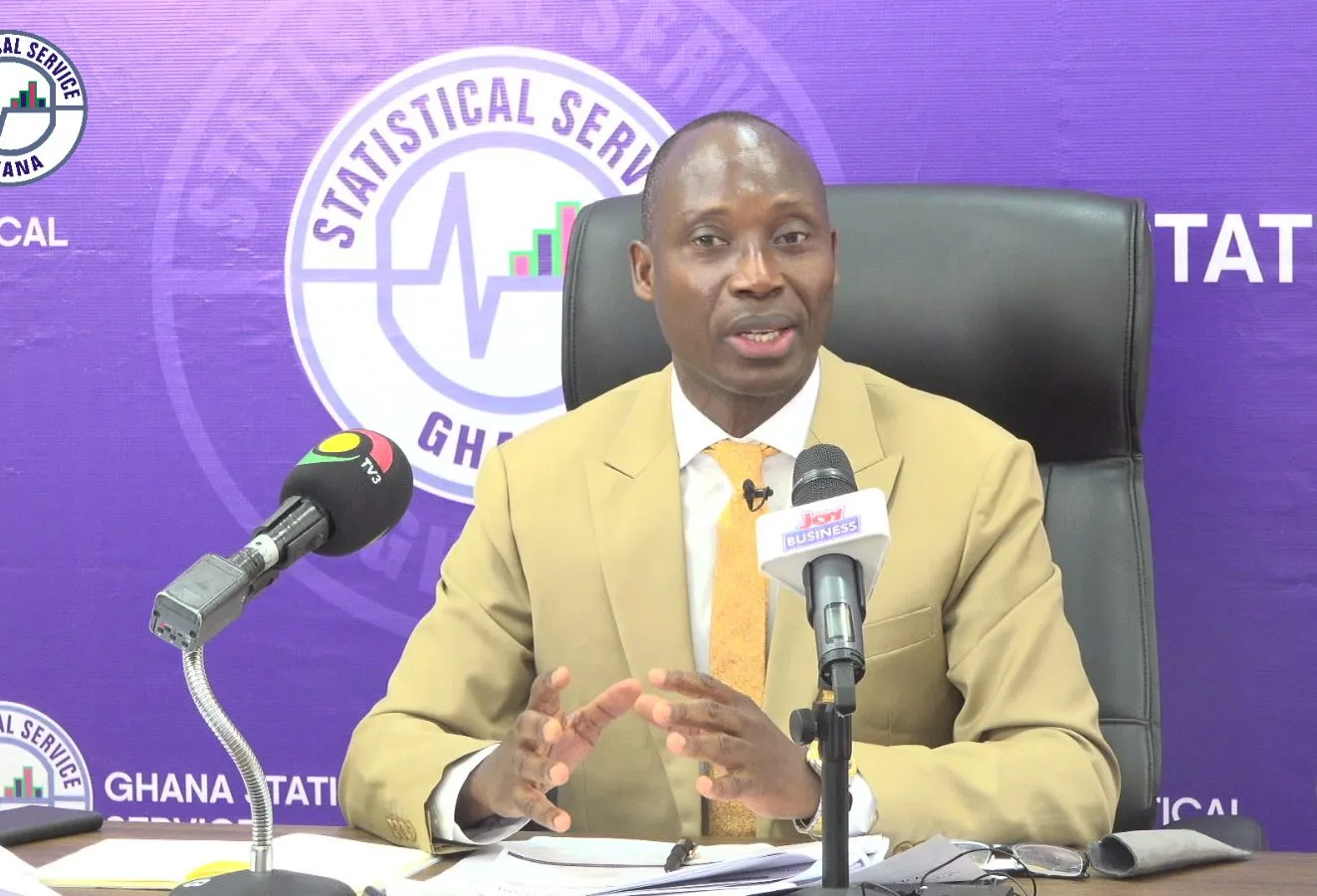
Speaking at the event on behalf of Government Statistician Dr. Alhassan Iddrisu, Acting Deputy Government Statistician for Economic Statistics and Data Science, Francis Bright Mensah said the country has an opportunity to build a national measurement framework that better reflects the priorities and lived experiences of its citizens.
The proposed framework is intended to complement rather than replace GDP, which remains the principal measure of economic activity and a key anchor for macroeconomic management. However, policymakers and statistical agencies increasingly recognise that GDP alone does not capture important dimensions of development – such as equity, environmental stewardship, quality of life and long-term resilience.
“For more than half a century, gross domestic product has stood as the single number by which the world has judged economic success,” Mr. Mensah said.
While GDP remains indispensable for tracking production and economic growth, he noted it does not fully account for broader outcomes that matter to households and communities.
The initiative comes as countries and international organisations explore ‘Beyond GDP’ approaches to better assess social and environmental conditions alongside economic performance. According to GSS, international efforts now increasingly integrate measures of well-being, sustainability, inclusion and resilience into public policy frameworks.
Mr. Mensah said the debate is particularly relevant for Ghana, where economic growth objectives are increasingly being pursued alongside commitments to climate resilience, social development and sustainable resource management.
The country’s national development agenda, he noted, has long recognised that economic expansion should be accompanied by improvements in quality of life and environmental outcomes. Existing initiatives, including implementation of the Sustainable Development Goals (SDGs), environmental accounting systems and national development planning frameworks, provide a foundation upon which broader measurement systems can be built.
The workshop brought together government officials, development partners, researchers, academics, private sector representatives and civil society organisations to discuss indicators and frameworks that could support a more holistic assessment of national development.
A key objective is to create greater coherence across existing measurement efforts and provide policymakers with a broader evidence base for decision-making.
The discussion carries significant implications for fiscal planning and public policy. Ghana’s economy depends heavily on natural resources including minerals, forests, agricultural land and water systems. While economic growth can generate higher incomes and government revenue, GSS cautioned that growth figures alone may not reveal whether natural assets are being depleted or whether the benefits of growth are being shared broadly across society.
According to the statistical service, assessments of environmental degradation, biodiversity loss, inequity and social well-being can help policymakers identify risks that may not be immediately visible in conventional economic statistics.
Mr. Mensah said the broader framework will help answer questions about whether economic gains are benefitting all segments of society, whether natural resources are being managed sustainably and whether future generations are being left with adequate opportunities and assets.
“Importantly, it enables us to ask and answer questions that GDP alone cannot,” he said.
The effort also aligns with ongoing work by GSS to strengthen environmental statistics, monitor SDG indicators and implement the System of Environmental-Economic Accounting. The agency is additionally working with national institutions and international partners to expand natural capital accounting and improve integration of environmental data into the national account’s framework.
The statistical service said developing a successful Beyond GDP framework will require more than technical statistical reforms. It will depend on cooperation among government agencies, development partners, academic institutions, private sector organisations and citizens.
GSS emphasised that investment in data systems, statistical innovation and institutional coordination will be critical in ensuring that new indicators are robust enough to support policy formulation and monitoring.
The agency also stressed that the framework should reflect Ghana’s unique development priorities rather than replicate models adopted elsewhere. Officials said the process presents an opportunity to define prosperity in ways that account for local economic, social, environmental and cultural realities.
The workshop marks an early step in what is expected to be a longer policy process. While GDP is likely to remain central to economic management, the proposed framework could influence how future governments evaluate development outcomes, allocate resources and assess the long-term sustainability of economic growth.
Post Views: 23
Discover more from The Business & Financial Times
Subscribe to get the latest posts sent to your email.