Strengthening partnerships remains critical to protecting victims and combating human trafficking in Ghana, the West Africa Programme Director of International Justice Mission (IJM), Anita Budu, has said as the country marks two decades since the passage of the Human Trafficking Act, 2005 (Act 694).
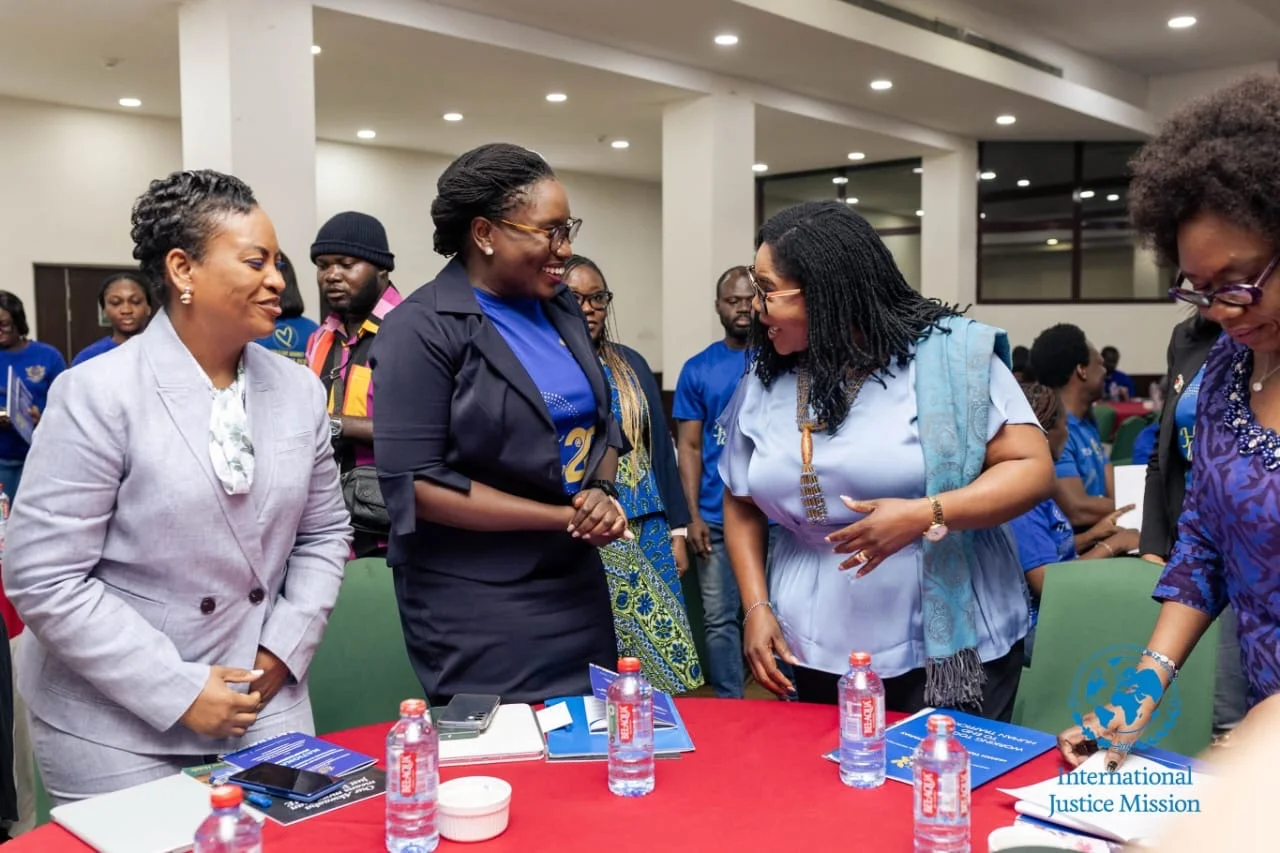
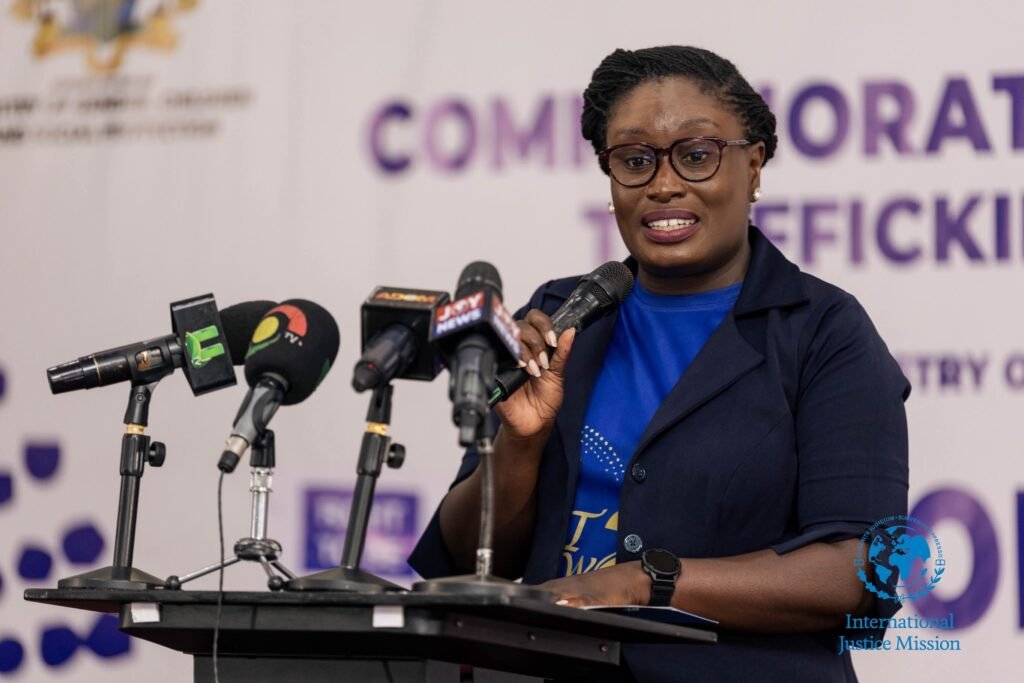
Speaking at the 2026 World Day Against Trafficking in Persons commemorative event in Accra on Thursday, July 30, Budu said Ghana’s experience over the past 20 years demonstrates that the success of efforts to prevent trafficking, protect victims and prosecute offenders depends largely on effective collaboration among state institutions, civil society organisations, communities, the media and survivors.
The event was held under the theme, “Human Trafficking Act @ 20: Advancing Prevention, Protection, Prosecution and Partnership in Ghana – The Journey So Far.”
Addressing participants, including the Minister for Gender, Children and Social Protection, Dr Agnes Naa Momo Lartey, Budu noted that while the Human Trafficking Act established the legal framework to criminalise trafficking, protect victims, prosecute offenders and coordinate the national response through the Human Trafficking Secretariat, partnerships have been the driving force behind its implementation.
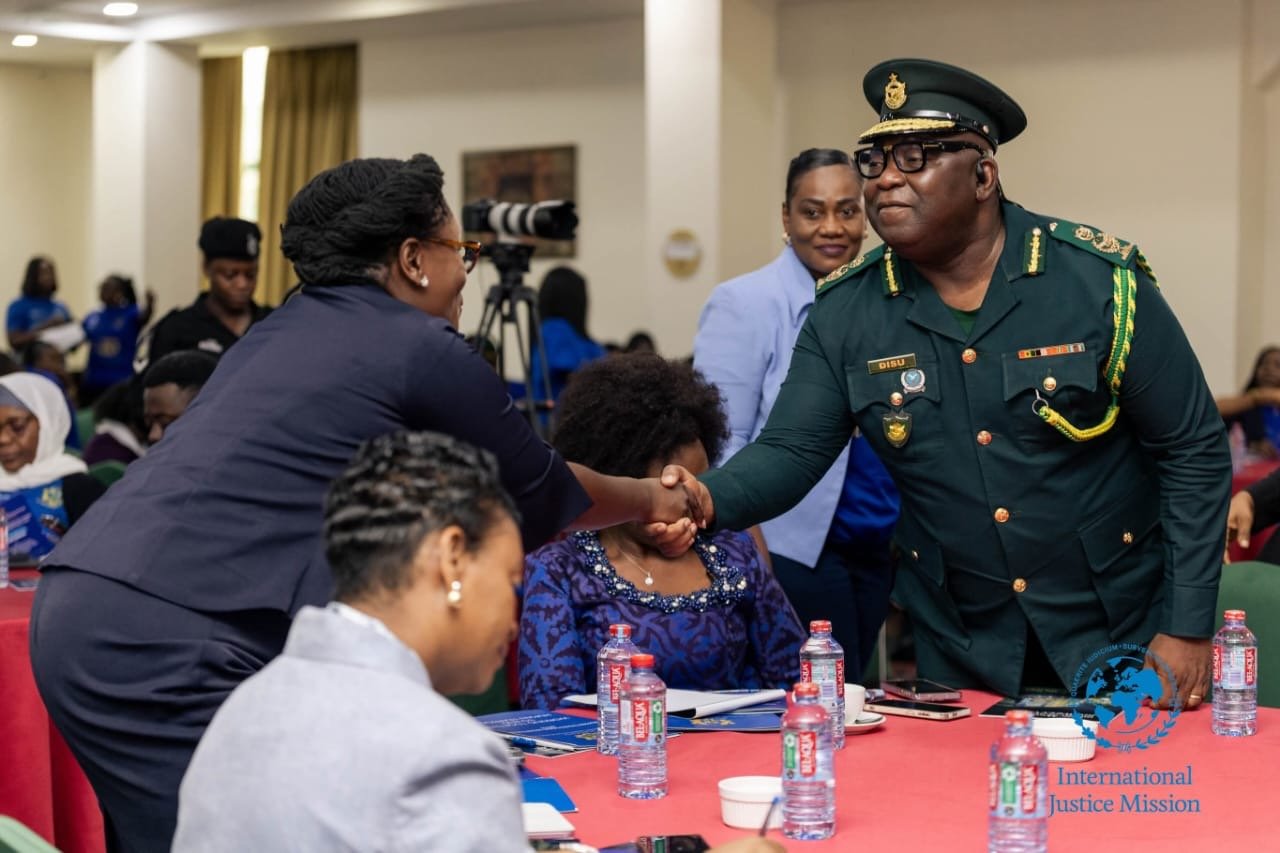
“Twenty years on, it is clearer than ever that prevention, protection and prosecution are only as strong as the partnerships that enable them. The Act provides the framework. Partnership brings that framework to life,” she stated.
Drawing on IJM’s 11 years of work in Ghana and nearly three decades of global experience, Budu said trafficking and other forms of violent exploitation decline when justice institutions function as an integrated system, with investigators, prosecutors, social welfare officers, regulatory agencies, survivor advocates and community leaders working together.
She highlighted several successful collaborations, including the work of the Coalition of NGOs Against Child Trafficking (CNACT), which she said has demonstrated the impact of coordinated civil society action in supporting Ghana’s anti-trafficking efforts.
Budu also praised the Ghana Survivor Network for partnering with local authorities and communities in the Greater Accra, Volta and Central regions to create awareness, prevent child trafficking and support survivors returning to their communities.
She recounted the story of a survivor who had transitioned from being a victim of exploitation to becoming a teacher and advocate working to protect vulnerable children in his community.
The IJM official further underscored the importance of the media in preventing trafficking and identifying victims, citing a recent case in which The1957 News helped facilitate the rescue of 18 young Nigerians who had been trafficked into Ghana under the false promise of employment.
According to her, the blog recognised indicators of human trafficking and promptly alerted the Ghana Police Service, leading to the successful rescue operation.
She revealed that bloggers and journalists are currently undergoing specialised training to enhance their understanding of human trafficking and strengthen referral mechanisms to support government interventions.
Looking ahead, Budu proposed five key commitments to shape Ghana’s anti-trafficking agenda over the next two decades.
These include strengthening government ownership and coordination by aligning interventions with the country’s National Plan of Action on human trafficking; embedding trauma-informed and victim-centred practices throughout the justice process; improving multidisciplinary case management through effective referral systems and coordinated support services; promoting data-driven decision-making to guide policy and resource allocation; and elevating survivor leadership by involving survivors in policy development, prevention initiatives and system reforms.
She stressed that survivors should not merely be viewed as beneficiaries but as essential partners whose lived experiences can strengthen Ghana’s response to human trafficking.
Concluding her address, Budu reaffirmed IJM’s commitment to supporting the Government of Ghana, the Human Trafficking Secretariat and other stakeholders in strengthening the country’s public justice system and protecting vulnerable persons from exploitation.
“When government institutions are strengthened, communities engage and survivors are heard, we build stronger public justice systems. Stronger public justice systems increase the certainty that perpetrators will be held accountable, and that certainty deters crime. As deterrence grows, trafficking becomes less prevalent,” she said.