

By Osei-Tutu Esther Kumah
Every year on October 11, the world marks the International Day of the Girl Child, a day dedicated to recognising girls’ rights and the challenges they face while calling for equal opportunities in education, healthcare, protection and development. More often than not, such commemorations in Ghana, tend to focus on teenage pregnancy.
As the world celebrates girls and recognise their potential, the realities confronting some young girls in Ghana raise important questions: are we doing enough to protect their childhood? Are the efforts (if any) being made to secure their future actually helping?
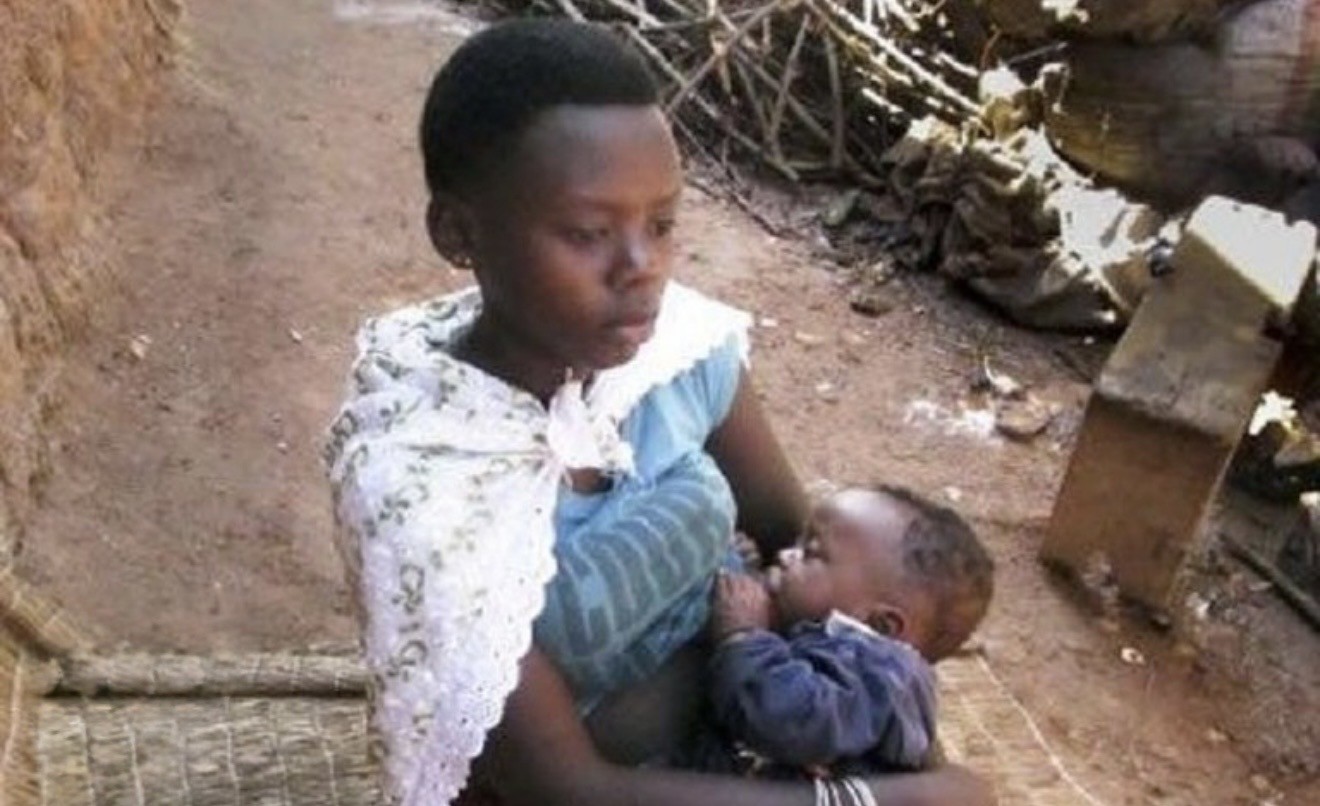
The question becomes even more pressing following reports about the death of a 14 year old Keziah Mirekua, a Junior High School Student at Mpraeso Amanfrom in the Eastern Region. The girl who died after setting herself on fire because her boyfriend denied her pregnancy .
The incident should draw attention to the importance of protecting vulnerable children and ensuring that young people experiencing emotional distress have access to support.
Beyond Religious and Moral Education (RME) being taught , while reproductive health education also addresses abstinence and pregnancy prevention, teenage pregnancy remains a significant public health and social concern in Ghana.

According to the Ghana Health Service, 53,415 adolescent pregnancies were recorded at health facilities between January and July 2026. Of these, 1,501 involved girls aged 10 to 14. These figures represent cases recorded during the seven month period.
The concern is not new. Figures reported from the Ghana Health Service show that 555,575 pregnancies were recorded among teenagers aged 10 to 19 between 2016 and 2020, including 13,444 among girls aged 10 to 14.
Additionally, the 2022 Ghana Demographic and Health Survey found that approximately 15.2% of girls aged 15 to 19 have experienced being pregnant.
Although these figures cover different reporting periods, they demonstrate why adolescent pregnancy continues to demand attention from families, schools, religious organisations, healthcare professionals and policymakers.
For a teenage girl, pregnancy can bring responsibilities she may not be emotionally, physically or financially prepared to manage. At an age when she should be learning, developing her talents and preparing for adulthood, she may suddenly have to consider healthcare expenses, childcare and the future of her education.

Some teenage mothers receive support from their families and partners, while others experience rejection, stigma and financial hardship. For girls who wish to continue their education, balancing schoolwork with caring for a baby can be particularly daunting.
In some situations, a lack of support from the father of the pregnancy may increase the pressure on a young mother. However, every case is different, and it is important not to assume that all teenage pregnancies involve the same circumstances.
Several factors can contribute to adolescent pregnancy, including limited access to accurate sexual health information, poverty, peer pressure, sexual coercion and inadequate support.
Addressing the problem therefore requires more than blaming or shaming girls. It requires understanding the circumstances they face and providing practical solutions.
Parents and guardians have a responsibility to create safe environments where young people can discuss difficult issues without fear of humiliation. Schools must provide appropriate guidance and support, while healthcare professionals should ensure that adolescents can access suitable health services. Where there are allegations of abuse or exploitation involving children, the appropriate authorities must investigate and ensure their protection.

Communities also have a role to play in changing attitudes towards teenage mothers. Pregnancy should not automatically end a girl’s education or destroy her ambitions. With appropriate healthcare, emotional support, childcare assistance and opportunities to return to school, young mothers can continue pursuing their dreams.
In the month when Ghana joins the world to recognise the International Day of the Girl Child, the conversation must move beyond celebration and awareness messages. It must include a serious commitment to protecting girls from abuse, supporting their education, providing access to healthcare and ensuring that they have trusted people to turn to during difficult moments.
The reported death of Keziah Mirekua must be approached with sensitivity while the circumstances are established. It should not be used to make unverified claims about pregnancy or responsibility. Instead, it should reinforce the importance of listening to children, taking their concerns seriously and ensuring that those experiencing distress are not left without help.
Every girl deserves the opportunity to grow, learn and build a future. The true significance of the International Day of the Girl Child lies not only in celebrating girls on October 11, but also in the actions taken throughout the year to protect their rights and support their potential.
Ultimately, the question Ghana must continue to ask is not simply how many teenage pregnancies are recorded each year, but what more can be done to ensure that every girl has the protection,understand chastity and opportunities she needs to shape her own future because every girl child is capable of becoming a great personality.