


By Joshua AMLANU
West Africa’s ambition to expand regional gas infrastructure and lower energy costs will depend on resolving payment risks, strengthening cross-border cooperation and attracting private investment into new projects, speakers at the 2026 West Africa Gas Summit said.
Government officials and industry leaders meeting in Accra argued that natural gas remains critical to the region’s industrialisation agenda, energy security strategy and efforts to improve economic competitiveness, but cautioned infrastructure expansion must be matched by stronger commercial frameworks and bankable projects.
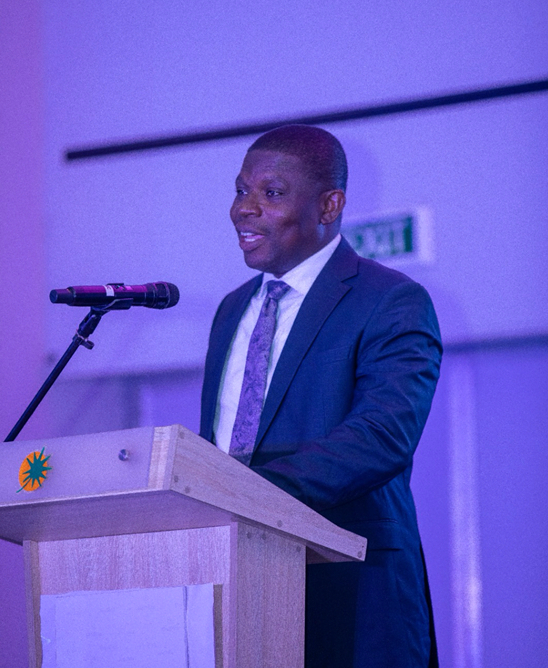
Deputy Minister for Energy and Green Transition Richard Gyan-Mensah said deeper regional gas integration could help lower power generation costs, improve supply reliability and support economic growth across West Africa.
“The more integrated our markets are, the more resilient and appealing they become,” he told participants, citing the West African Gas Pipeline (WAGP) as a successful example of regional cooperation that could be expanded further.
The pipeline, which transports natural gas from Nigeria to Ghana, Togo and Benin, has become a key component of Ghana’s energy mix. According to Mr. Gyan-Mensah, domestic gas fields and imported supplies now underpin most of the country’s electricity generation, reducing dependence on more expensive liquid fuels.
He said offshore developments led by partners including Tullow Oil, Kosmos Energy, Eni, Vitol and Ghana National Petroleum Corporation have transformed Ghana’s energy landscape over the past decade. Domestic gas-producing fields currently supply about 80 percent of the natural gas used for power generation and industrial applications.
The increased availability of gas has helped lower electricity generation costs and support industrial activity. Gas currently accounts for about 80 percent of the fuel used in Ghana’s power generation sector, according to the deputy minister.
However, he warned that periods of inadequate gas supply force power producers to switch to liquid fuels, significantly increasing generation costs.
“Whenever we do not have enough gas and have to fall on liquid fuel, obviously the country and economy have to take a bite,” the deputy minister said.
Government views natural gas as a bridge fuel that can support manufacturing, mining, petrochemicals and other productive sectors while improving energy affordability. Many industries across the region continue to rely on diesel and heavy fuel oil despite gas offering a cleaner and more economical alternative, he noted.
While infrastructure expansion remains a priority, speakers stressed that financial and commercial risks continue to constrain regional energy trade.
Legal practitioner and energy sector veteran Tsatsu Tsikata said the long-term success of regional gas integration will depend on addressing recurring payment and supply challenges that have affected the West African Gas Pipeline system.
Mr. Tsikata, who played a key role in the pipeline project’s conception, said the initiative was originally designed to leverage Nigeria’s vast gas reserves to improve energy security across the sub-region. He described the project as one of West Africa’s most important examples of regional economic integration, but said unresolved commercial issues continue to undermine confidence.
“There is absolutely no reason why payment for gas from Nigeria should not be as secure as payment for gas supplied by Eni under a partial risk guarantee arrangement with the World Bank,” he said.
According to Mr. Tsikata, ensuring reliable payment mechanisms and addressing supply disruptions are necessary to attract investment and strengthen regional cooperation. He argued that lessons from the pipeline’s operation should inform future cross-border infrastructure projects.
The growing importance of gas is being reinforced by rising demand for electricity across West Africa. Mr. Tsikata noted that industrial expansion, mineral processing activities involving gold, lithium, aluminium and bauxite, as well as the emergence of data centres and digital infrastructure, are creating new energy requirements that exceed earlier forecasts.
He recalled that some international advisers had previously questioned Ghana’s need for large-scale gas infrastructure, believing hydroelectric power would remain sufficient for future demand. Those assumptions, he said, have been overtaken by economic growth and changing energy consumption patterns.
Both speakers identified financing as a major challenge for the next phase of gas sector development. The deputy minister said governments alone cannot fund the substantial infrastructure required for regional gas expansion and called for increased participation from private investors, development finance institutions and strategic partners.
“Our responsibility is to establish clear policies, transparent regulations and a stable environment because investors value certainty and predictability,” he said.
Post Views: 3
Discover more from The Business & Financial Times
Subscribe to get the latest posts sent to your email.