

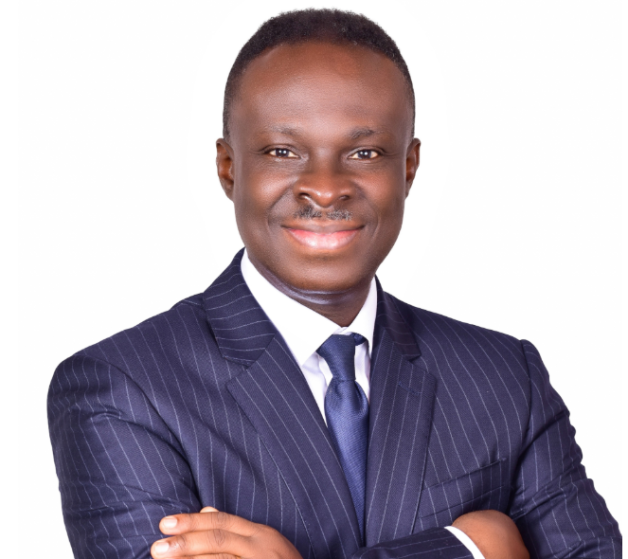
By: Professor Kwasi Dartey-Baah
The 2026 FIFA World Cup continues to offer invaluable lessons beyond football. For Ghanaians, the much-talked-about Ghana–England match of June 23, 2026, provided a powerful reminder of a timeless truth in leadership and organisational development: outcomes are often shaped less by resources and more by leadership.
The performance of the Ghanaian team against England demonstrated that leadership remains the single most important factor in transforming people, teams and institutions. The same group of players that had struggled for consistency and success under a previous regime appeared revitalised, disciplined and united under a new coach, Carlos Queiroz. The players had not changed. The talent had not suddenly appeared. What changed was leadership.
This transformation occurred in less than two months. Yet within that short period, a new mindset, renewed confidence and a shared sense of purpose emerged. Such turnarounds are not uncommon in organisations. Teams that underperform are often labelled incapable or ineffective, when they may simply be suffering from ineffective leadership, poor direction or a lack of inspiration.
Leadership does not create new people; it unlocks new possibilities in existing people.
One of the most striking messages repeatedly emphasised by Coach Queiroz was the willingness of players to suffer for one another, sacrifice for the collective and pay the price required for success. These principles mirror some of the most important concepts in organisational development. High-performing organisations are rarely built on individual brilliance alone; they are built on collaboration, trust, accountability and a commitment to a common purpose.
The Ghana–England match reinforced this point. England possessed several world-class players with exceptional individual talent. Ghana, however, demonstrated something equally powerful: a team committed to each other and united around a shared objective. Their strength came not from individual stars but from collective effort, discipline and an unwavering fighting spirit.
This highlights another important lesson for leaders. Motivation is important, but motivation without discipline produces inconsistent results. Sustainable success requires systems, standards and a culture that promotes responsibility.
Talent may win attention, but discipline wins championships.
Coach Queiroz’s greatest achievement may not have been tactical. It was his ability to inspire belief, communicate a clear philosophy and secure buy-in from his players. Great leaders understand that people perform best when they understand both the vision and their role in achieving it. Leadership is ultimately about influencing people to pursue a common goal with commitment and conviction.
Before the tournament, many foreign pundits had written Ghana off. What they failed to appreciate was the team’s growing mental resilience, unity and belief under Coach Carlos Queiroz. These intangible qualities, often cultivated by strong leadership, can become decisive advantages in moments of pressure.
The lesson for organisations is clear. Whether in business, government, sports or civil society, leadership remains the defining variable between mediocrity and excellence. When leaders create a compelling vision, build disciplined teams and foster a culture of mutual support, extraordinary outcomes become possible.
The Ghana–England match was more than a football contest. It was a masterclass in leadership. And its enduring message is one every executive, manager and team leader should remember: when people rally behind a shared purpose under effective leadership, what once seemed impossible becomes achievable.
Professor Kwasi Dartey-Baah is the Vice-Chancellor of Central University and a Professor of Leadership & Organisational Development
Post Views: 4
Discover more from The Business & Financial Times
Subscribe to get the latest posts sent to your email.