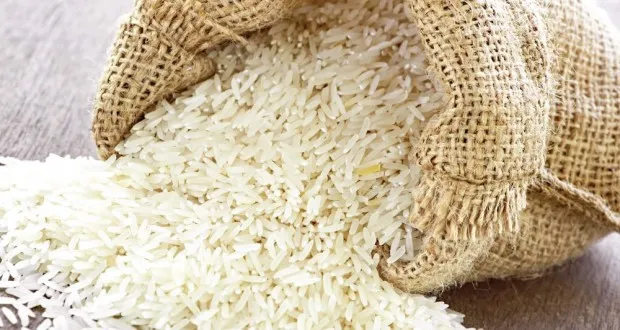

…as 1mn MT rice valued at GH¢5bn left unsold
By Wisdom JONNY-NUEKPE
The Association of Ghana Rice Producers and Processors are appealing to government to enforce a six-month import ban on foreign varieties, in order to enable the exhaustion of existing glut on the local market. The Association confirmed to the B&FT that an estimated one million metric tonnes of unsold paddy rice on the local market, valued at GH¢5 billion is a major concern for farmers nationwide.
An executive member of the Rice Producers and Processors Association, Dr. Terence Adda-Balinia, attributed the glut to inadequate and lack of buyers for the local produce.
Speaking at a recently held World Bank Civil Society Organisation engagement on food security, Dr Terence Adda-Balinia, explained that among the key proposals to government is a temporary six-month moratorium on rice imports to allow existing local stocks to be cleared.
Producers also want the introduction of a transparent import quota system to ensure imports only cover supply gaps rather than compete directly with local output. Rice has become a staple food in Ghana, with annual consumption nearing two million metric tonnes, but heavily controlled by imported varieties on the local market – accounting for 60-70 percent of total consumption.
The preference for foreign brands is fueled by urbanization, high population growth, and a strong cultural preference for parboiled, fragrant long-grain varieties.
The situation, according to Dr Adda-Balinia, have led major rice millers to suspend operations as the domestic market is being overwhelmed by the influx of cheap, smuggled rice into the country. “Over one million farmers are overwhelmed in huge losses, with the situation posing high threats and sustainability of the local rice industry. This is also creating high tendency of unemployment crisis in the sector” he said.
Though local producers and processors have described imported rice as often cheaper, better packaged, and more attractive, making it more competitive, they have, on the contrary said the huge import volumes are reducing demand for locally produced rice. The association however explained that poor marketing and distribution channels, farmers often receiving low prices for the produce, high cost of production, remain key challenges in the local production sector.
The producers and processors are appealing to government to prioritise guaranteed markets for local rice, arguing that significant investments in the sector risk being undermined without stronger policy support.
To support farmers and processors, the association is proposing the introduction of annual minimum farmgate prices and the creation of a special financing facility to provide low-interest credit to rice millers, particularly during harvest periods. Industry players say these measures are critical to sustaining growth in Ghana’s rice sector, improving farmer incomes, and reducing reliance on imports.
Post Views: 1
Discover more from The Business & Financial Times
Subscribe to get the latest posts sent to your email.