
Megan Thee Stallion is once again making headlines, not for a red-carpet moment, but for her latest appearance in court.
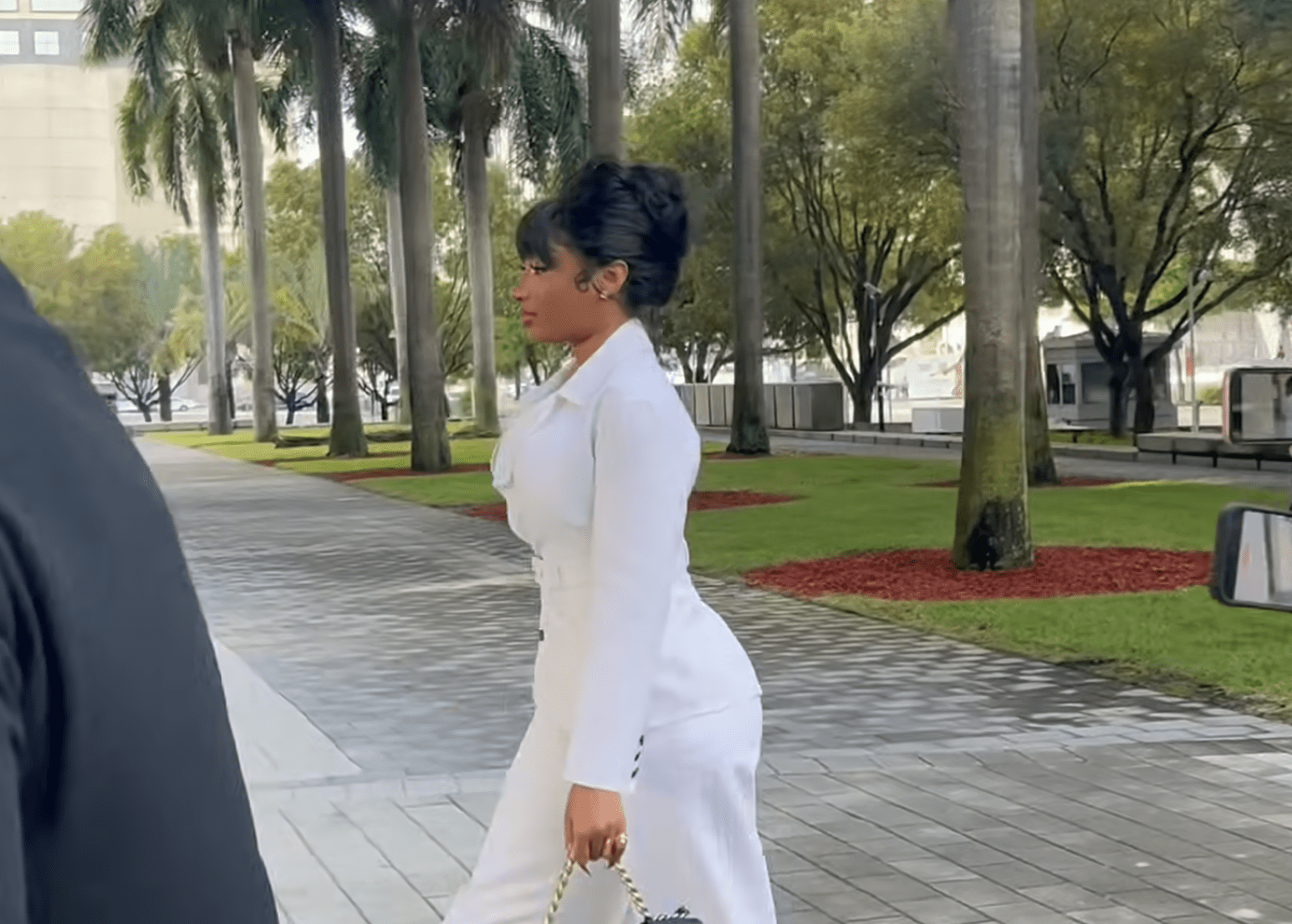
The rapper has adopted a striking legal-day wardrobe — sharp suits, tailored silhouettes and commanding power dresses — a deliberate signal that she is approaching her newest legal battle with absolute seriousness.
Observers say the fashion statements are intentional, projecting strength as she navigates a case tied to the long-running fallout from the 2020 shooting involving Tory Lanez. As the hitmaker behind global successes such as Body and the Grammy-winning Savage, Megan is no stranger to public scrutiny. But she maintains that the criticism following the shooting escalated far beyond normal celebrity commentary, morphing into a sustained campaign of harassment.
More than two years after Lanez was convicted, Megan is now taking on social media influencer Milagro Cooper, known online as Milagro Grams, in a federal defamation suit. According to the filing, Cooper spent years spreading false claims about the rapper, attacking her character, and amplifying a deepfake pornographic video. Megan also alleges that Cooper’s actions were not independent commentary, but part of a coordinated effort involving Lanez and his father.
Her attorneys argue that Cooper worked closely with both men, sharing and promoting misleading information to influence public opinion during and after Lanez’s trial. They say the online attacks caused Megan significant emotional distress, including periods where she did not want to be alive.
The lawsuit accuses Cooper of defamation, cyberstalking, intentional infliction of emotional distress, invasion of privacy, and the promotion of the deepfake video. Megan has testified that Cooper portrayed her as a liar and as mentally unstable — depictions she says were designed to damage her credibility for speaking publicly about the shooting.
Cooper denies wrongdoing and maintains that her posts are protected by the First Amendment. Under oath, she acknowledged receiving money from Lanez’s father, Sunstar Peterson, but claimed the payments were unrelated to the case and were instead for personal reasons and promotional work. Peterson, who was frequently seen outside court during his son’s trial, stated in a deposition that he paid some of Cooper’s travel expenses.
Media analysts following the case argue that Cooper’s conduct does not align with the ethical obligations of journalism — responsibilities such as accuracy, fairness, and presenting information in full context. The outcome of Megan’s lawsuit could influence future legal debates over who qualifies as media and what forms of online speech fall under protected commentary.
As Megan continues to fight in court — both legally and symbolically through her powerful fashion — she is sending a message: she is done absorbing the abuse, and she is choosing to confront it head-on.