

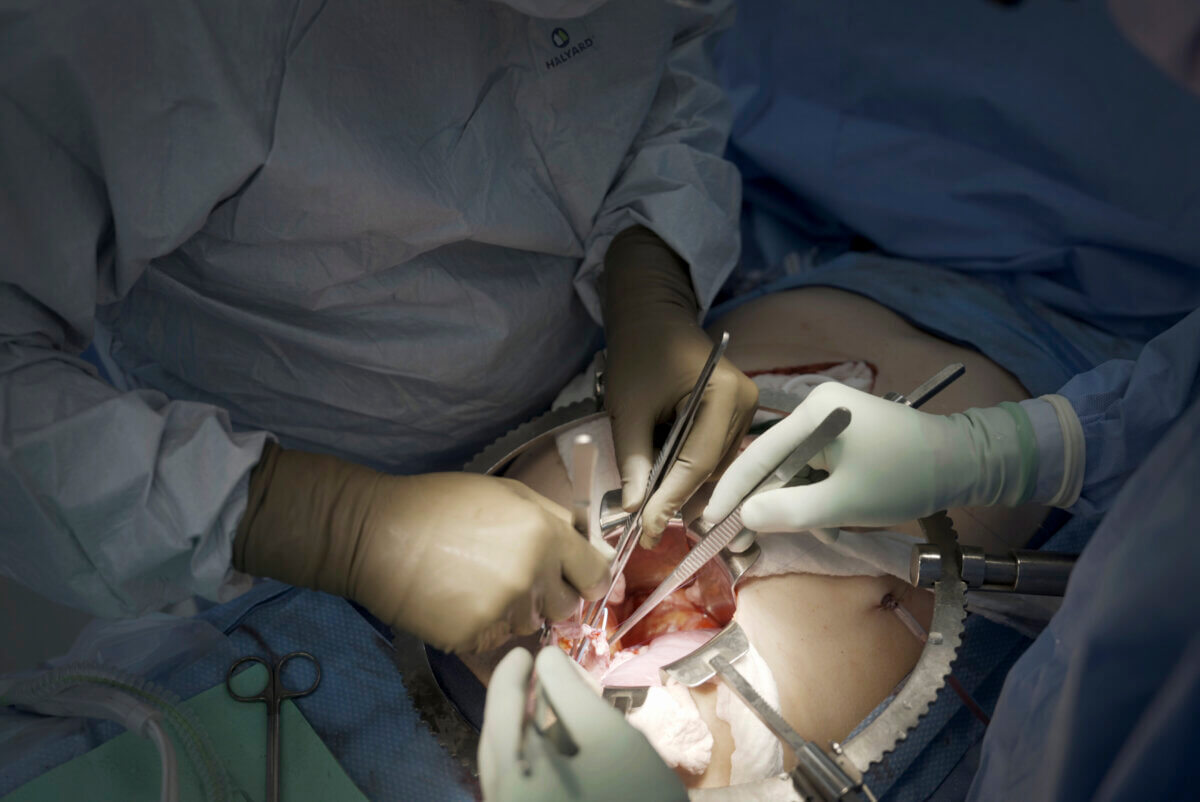
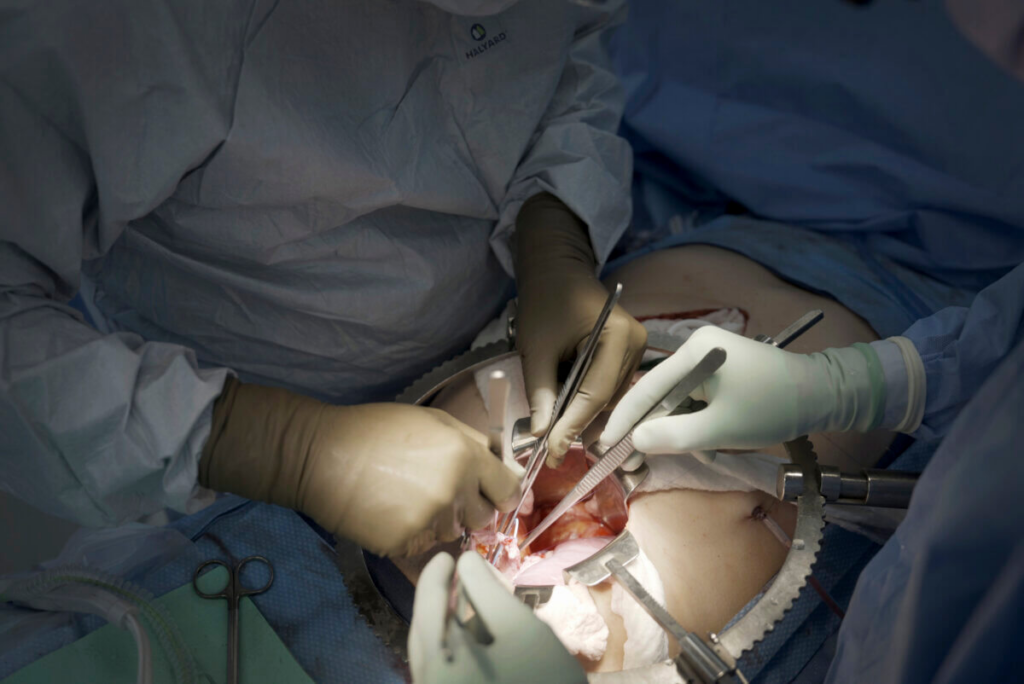
Nearly one in five Ghanaians could be living with chronic kidney disease (CKD), many without knowing they have the condition, as doctors warn of a sharp increase in cases across the country.
Health specialists say hospitals are recording unprecedented numbers of patients with kidney disease, with many only seeking medical care after the illness has progressed to its final stages, leaving dialysis or kidney transplantation as the only treatment options.
Consultant nephrologist at the Korle Bu Teaching Hospital, Dr. Mensah Amoah, says the growing burden is no longer confined to a few specialist facilities.
“Countrywide, not just at Korle Bu, hospitals are recording very high numbers of kidney disease cases. Clinicians are increasingly diagnosing glomerular diseases—conditions that damage the kidneys’ filtering units in communities where such cases were previously uncommon,” he said.
He believes environmental factors, including pollution from illegal mining activities, are contributing to the trend alongside established risk factors such as hypertension and diabetes.
Chronic kidney disease often develops silently, with many patients experiencing no symptoms until the disease has significantly damaged the kidneys.
Medical experts say this delayed diagnosis is one of the biggest challenges facing Ghana’s health system.
Doctors are urging Ghanaians to undergo routine medical screening, particularly annual health checks that include kidney function tests, blood pressure monitoring and blood sugar assessments.
Health professionals are also encouraging healthier lifestyles through regular physical activity, balanced diets and better management of chronic conditions to reduce the risk of kidney failure.
The warning comes amid growing concern over the country’s capacity to manage the rising number of patients requiring specialised renal care, with dialysis remaining inaccessible for many because of cost and limited treatment centres.
Public health experts say without stronger investment in prevention, early diagnosis and public education, Ghana could face an even greater burden of chronic kidney disease in the coming years, placing additional pressure on an already stretched healthcare system.
DISCLAIMER: The Views, Comments, Opinions, Contributions and Statements made by Readers and Contributors on this platform do not necessarily represent the views or policy of Multimedia Group Limited.
DISCLAIMER: The Views, Comments, Opinions, Contributions and Statements made by Readers and Contributors on this platform do not necessarily represent the views or policy of Multimedia Group Limited.