
Parliamentary opposition has credited the previous administration for negotiating the ¥3 billion grant that will transform Kumasi’s Inner Ring Road, even as it welcomes the current government’s commitment to implementing the project.
Finance Minister Dr. Cassiel Ato Forson signed the Japan International Cooperation Agency (JICA) grant agreement on Thursday, October 2, 2025, formalizing funding for infrastructure improvements that opposition lawmakers say originated under former President Nana Akufo Addo’s administration.
Kennedy Nyarko Osei, Ranking Member of Parliament’s Roads and Transport Committee, issued a statement praising governmental continuity while asserting that the New Patriotic Party (NPP) completed the groundwork before leaving office. His intervention highlights persistent tensions over credit for development projects as both parties position themselves ahead of future electoral contests.
“We welcome the government’s decision to proceed with this project, describing it as a hallmark of responsible governance,” the Akyem Swedru MP stated, before detailing the negotiation timeline that preceded the formal signing ceremony.
According to the minority’s account, JICA representatives met with Ghana’s Ministry of Finance in February 2024 for technical discussions on the road improvement initiative. These conversations culminated in a Minutes of Discussions signed in September 2024, which the opposition characterizes as effectively sealing the arrangement.
The formal signing had originally been scheduled to occur during the Tokyo International Conference on African Development (TICAD 9) in September 2025, the statement noted, suggesting the current administration simply executed plans already finalized. “The grant arrangements and protocols were all completed by the NPP administration,” it emphasized.
Osei argued that the project demonstrates how governments, regardless of political affiliation, can ensure well-designed initiatives reach completion for public benefit. This framing attempts to position the NPP as magnanimous in allowing credit-sharing while subtly claiming primary ownership.
The timing of the minority’s statement, released just days after the signing ceremony, suggests strategic calculation. Rather than simply criticizing the current administration, they’ve adopted a more nuanced approach that acknowledges continuity while staking historical claims. It’s politics, but wrapped in the language of national interest.
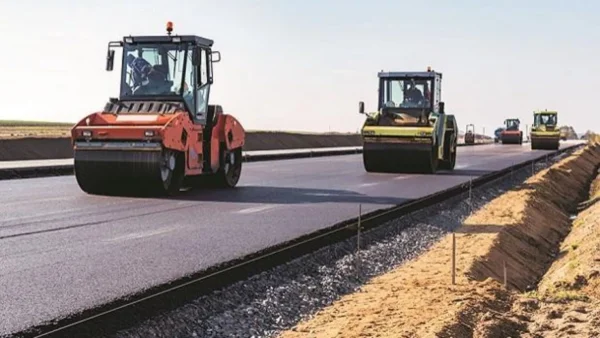
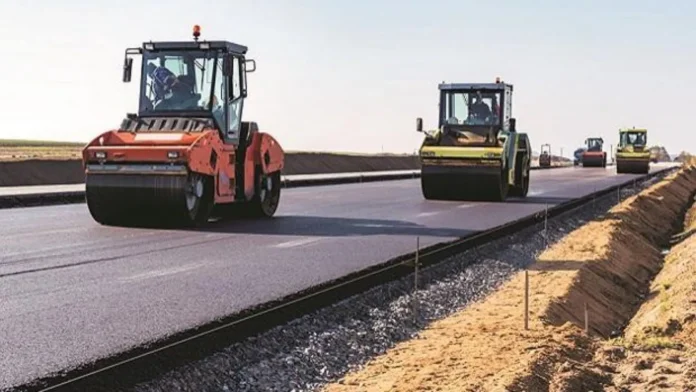
The project itself addresses genuine infrastructure needs in Ghana’s second-largest city. The grant will fund expansion and upgrading of 3.2 kilometers of the Inner Ring Road, improving capacity and reducing congestion that has plagued Kumasi for years. Japan’s involvement reflects longstanding development cooperation between the two nations.
Beyond the ring road, the opposition called for continued work on other infrastructure initiatives started under the previous government. These include the Suame Interchange, Sunyani Road Phase 2, and the Konongo Bypass, all projects at various stages of completion when power changed hands.
“For the people of Kumasi and the Ashanti Region, what matters most is not which government started a project, but continuity and delivery,” the statement added, striking a populist tone while reinforcing the NPP’s role in project conception.
The Kumasi Inner Ring Road Improvement Project fits within a broader strategy to fully dualize the city’s inner ring. Japan is funding the southern bypass section, while the western bypass has been integrated into the Sunyani Road expansion, creating a comprehensive approach to urban mobility.
Whether voters ultimately care about which administration negotiated versus signed the agreement remains uncertain. Infrastructure projects typically span multiple governments, making attribution inherently complicated. The minority’s emphasis on continuity acknowledges this reality even as it asserts precedence.
The opposition’s statement also serves internal party purposes. By highlighting the NPP’s role in securing major funding, they’re building a narrative of competence and achievement that contrasts with electoral defeat. It positions the party as still relevant and contributive even from opposition benches.
The current government, for its part, has focused public messaging on implementation rather than history. Finance Minister Forson’s remarks at the signing ceremony emphasized transformative impact and traffic relief, sidestepping questions about negotiation origins. That approach may prove politically wiser than engaging in credit disputes.
Infrastructure continuity represents one area where Ghana’s political transitions have generally succeeded, despite partisan tensions. Major projects tend to proceed regardless of which party holds power, driven by economic necessity and international commitments that transcend domestic politics.
The minority’s call for continued work on other NPP-initiated projects tests this principle. Will the current administration maintain momentum on all inherited infrastructure, or will some initiatives receive less priority based on political calculations? The answer will likely depend on budgetary constraints as much as partisan considerations.
For Kumasi residents and businesses, the ring road improvements promise tangible benefits regardless of political backstory. Reduced congestion, improved safety, and enhanced connectivity matter more than negotiation timelines. Whether that pragmatic perspective extends to voting behavior in future elections is another question entirely.