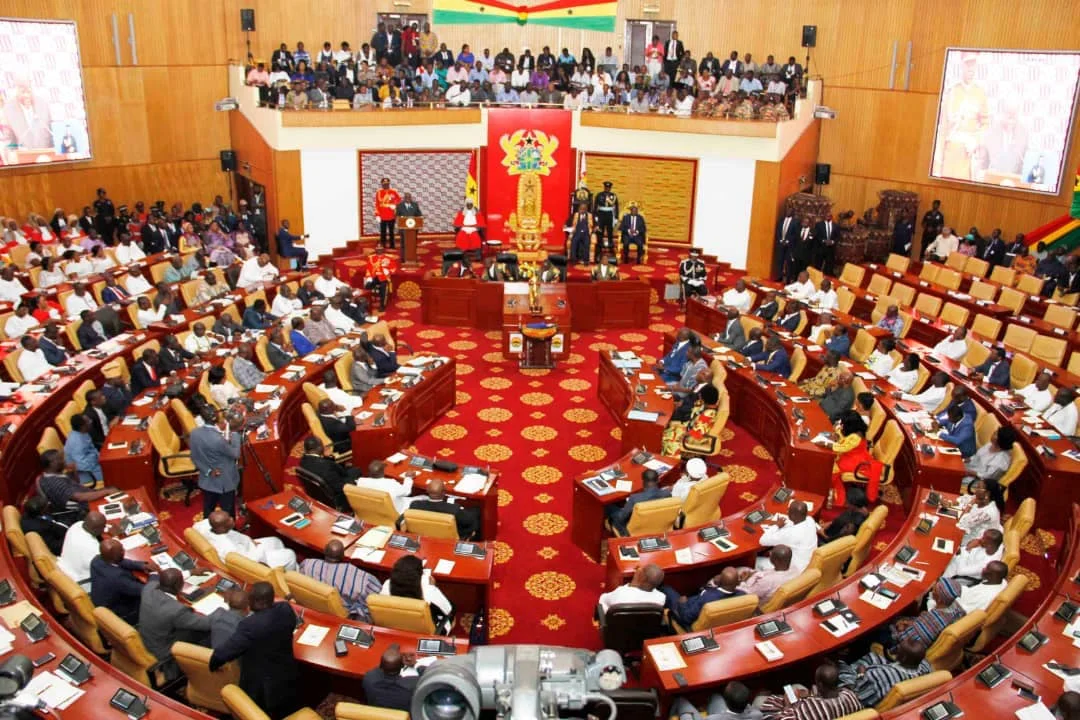
Parliament has passed the Maritime and Related Offences Bill, 2026, introducing a comprehensive legal framework aimed at combating piracy, armed robbery at sea, and other maritime-related crimes, as Ghana seeks to strengthen maritime security and protect its economic interests in the Gulf of Guinea.
The legislation establishes legal mechanisms for the prevention, investigation, prosecution, and punishment of piracy and related offences, while aligning Ghana’s domestic laws with key international maritime conventions, including the 1982 United Nations Convention on the Law of the Sea (UNCLOS) and the 1988 Convention for the Suppression of Unlawful Acts Against the Safety of Maritime Navigation and its related protocols.
According to the report of the parliamentary committee that considered the Bill, the new law addresses longstanding gaps in Ghana’s legal framework that have hindered the effective enforcement and prosecution of maritime crimes.
The committee noted that the Gulf of Guinea has witnessed growing maritime insecurity over the past decade, with incidents ranging from piracy and vessel hijackings to kidnappings for ransom, armed robbery at sea, and the destruction of maritime property.
It observed that these activities pose serious threats to maritime trade, regional stability, economic growth, and the safety of seafarers operating within the region, underscoring the need for a robust legal and institutional response.
The report further stated that the legislation aligns Ghana’s criminal laws on piracy with Articles 100 to 105 of the United Nations Convention on the Law of the Sea, providing a stronger legal basis for the investigation, arrest, prosecution, and punishment of offenders.
Parliament’s approval of the Bill is also expected to bolster Ghana’s ambition of becoming a leading maritime hub in the Gulf of Guinea by strengthening trade security, enhancing state port control, and improving compliance with international maritime obligations.
The committee additionally noted that the enactment of the law would reinforce investor confidence, protect Ghana’s territorial waters and maritime economy, and empower security agencies to respond more effectively to maritime threats.
Following its consideration of the Bill, the committee expressed its full support for the legislation, describing it as a critical step toward securing Ghana’s maritime future and safeguarding the livelihoods of those who depend on the country’s maritime sector.