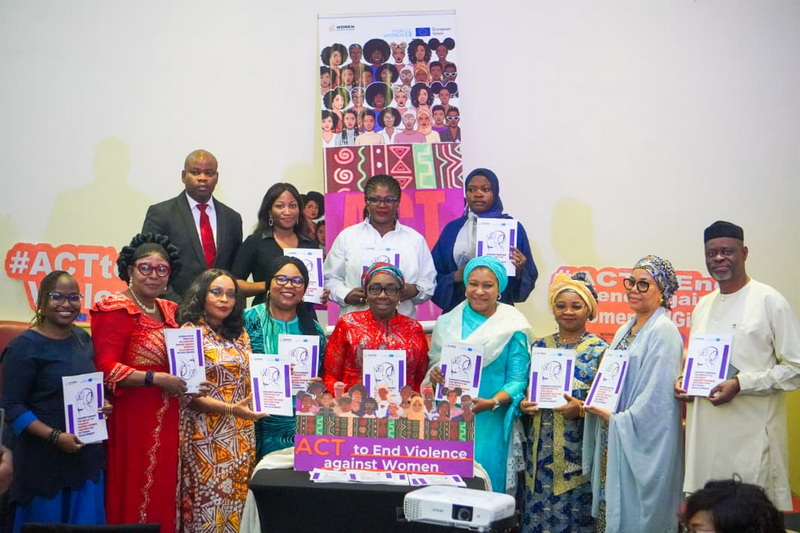
Female parliamentarians and gender policy advocates from across West Africa have been urged to use gender-responsive budgeting as a practical tool for combating violence against women and girls.
They can do this by ensuring that government commitments are backed by adequate funding, strong oversight and measurable results.
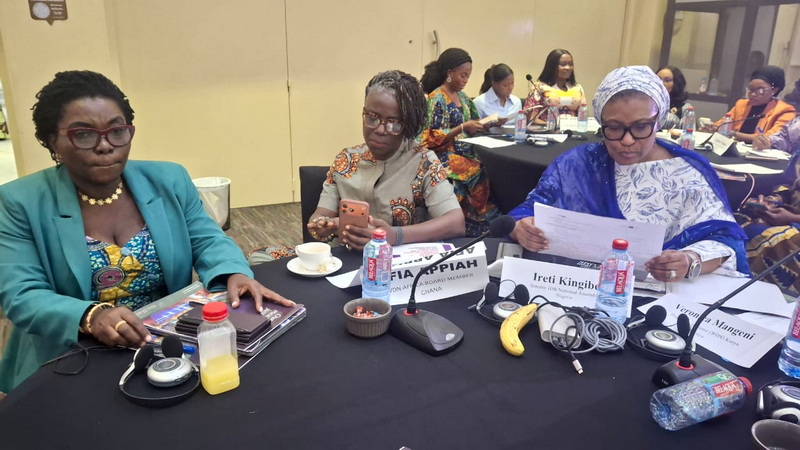
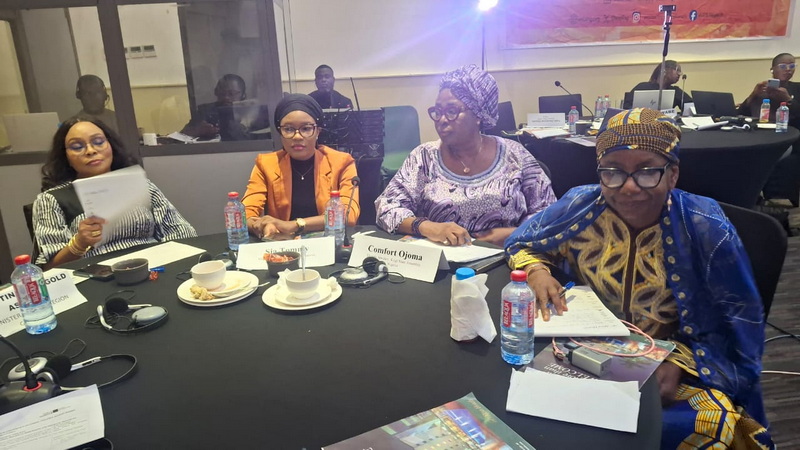
The call was made during the West Africa Female Parliamentarians Peer Review Conference on Ending Violence Against Women and Girls, being held in Accra, Ghana.
Presenting on the theme “Combating Gender-Based Violence through Gender-Responsive Budgets”, Executive Director of the Women’s Democracy Network – Kenya, Veronica Mangeni, said budgets should be viewed not merely as financial documents but as statements of national priorities.
“If gender equality is a priority, it must be reflected in public spending,” she told delegates, arguing that laws and national action plans on gender-based violence are unlikely to succeed unless governments allocate resources for implementation.
Ms Mangeni explained that gender-responsive budgeting (GRB) is not a separate budget for women. Rather, it is the process of integrating gender considerations into the entire budget cycle — from planning and allocation to spending, monitoring and evaluation.
According to her, GRB helps governments translate commitments under national laws, ECOWAS frameworks and the Maputo Protocol into actual budget lines instead of leaving them as unfunded declarations.
She said effective gender-responsive budgeting directs resources to frontline services such as:
- Safe shelters for survivors of violence.
- Crisis and support centres.
- Hotlines and emergency response services.
- Mental health and psychosocial care.
- Legal aid services.
- Prevention programmes targeting practices such as female genital mutilation (FGM) and child marriage.
She added that strong budget systems also make it possible to track whether funds reach intended beneficiaries through sex-disaggregated data, indicators and targets.
Parliament’s oversight role
Delegates were encouraged to strengthen parliamentary oversight of public spending by demanding regular gender audits and reviewing whether previous allocations achieved their intended outcomes.
She recommended, among others, that parliaments can make significant progress by:
- Ensuring sufficient funding for ministries, departments and agencies implementing programmes for women and girls.
- Increasing transparency in poverty-reduction programmes and national budgets so that women’s groups and grassroots organisations can participate.
- Requesting gender-disaggregated statistics before approving major allocations.
- Reviewing the performance of gender-related spending from previous years.
- Reallocating resources, where necessary, toward sectors such as education and health that directly benefit women and children.
- Monitoring whether allocated funds were spent as planned and whether stated objectives were achieved.
- Working with civil society organisations to gather evidence on the impact of spending decisions on different groups.
Ms Mangeni also called for decentralised grassroots monitoring mechanisms to help parliamentarians follow the budget preparation process and track implementation at the community level.
Economic violence and leadership
The Kenyan advocate argued that failing to allocate resources to services that support women amounts to a form of economic violence.
She explained that underfunding programmes for healthcare, protection, education and economic empowerment leaves many women struggling to survive despite national commitments to equality.
Ms Mangeni further described patriarchy as a leadership challenge rather than a women’s issue, urging male lawmakers to become active allies in efforts to advance gender equality, particularly in countries where women remain significantly underrepresented in parliament.
Key challenges identified
Participants agreed on several obstacles to effective gender-responsive budgeting across the region:
- Weak sex-disaggregated data, making it difficult to measure impact accurately.
- Limited technical capacity within government institutions to integrate gender considerations into budgets while complying with legal procedures.
- Small or symbolic allocations for implementation, monitoring and evaluation.
- Gaps between approved budgets and actual service delivery.
- Patriarchal systems and the relatively low number of women legislators in many countries.
There was also a united voice among delegates for stronger oversight to “follow the money” and ensure resources reach intended beneficiaries.
A five-step framework
Ms Mangeni outlined a five-step approach to gender-responsive budgeting:
1. Situational analysis
Assess the conditions facing women, men, girls and boys in a particular sector.
2. Gender analysis of policies
Examine whether existing laws, policies and programmes address identified gender gaps and whether the available data is reliable.
3. Budget allocations
Determine whether funding is adequate to implement gender-sensitive programmes and achieve measurable change.
4. Monitor spending and service delivery
Track whether money was spent as planned, what services were delivered and who benefited, using sex-disaggregated information.
5. Assess outcomes
Evaluate whether programmes improved gender equality, reduced inequality or produced no meaningful change.
From equality to equity
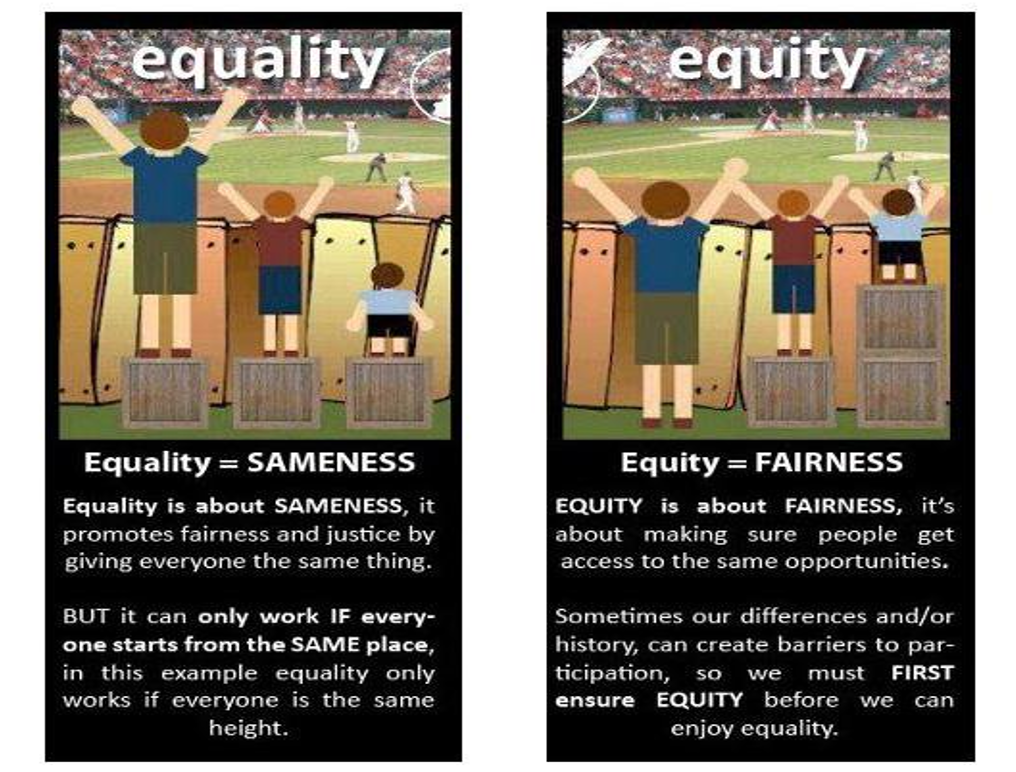
She stressed the distinction between equality and equity, noting that treating everyone the same does not always produce fair outcomes when people begin from different social and economic positions.
According to her, gender-responsive budgeting seeks equality of opportunity, equality of access and equality of results, recognising that some groups may require additional support to overcome historical barriers.
Delegates were encouraged to build alliances beyond traditional women’s organisations by involving local authorities, community leaders, professional associations and other civil society groups in budget advocacy.
Ms Mangeni said cross-sector partnerships involving both government and civil society tend to be the most sustainable and effective initiatives because they combine technical expertise, community knowledge and political influence.
She also urged parliamentarians to deepen public participation so that communities can help identify priority challenges in sectors such as health, education, agriculture, water and social protection.
She stressed the need for continuous monitoring, stronger parliamentary oversight and sustained public engagement to ensure that gender-responsive policies and budgets produce tangible improvements in the lives of women and girls across West Africa.
DISCLAIMER: The Views, Comments, Opinions, Contributions and Statements made by Readers and Contributors on this platform do not necessarily represent the views or policy of Multimedia Group Limited.
DISCLAIMER: The Views, Comments, Opinions, Contributions and Statements made by Readers and Contributors on this platform do not necessarily represent the views or policy of Multimedia Group Limited.