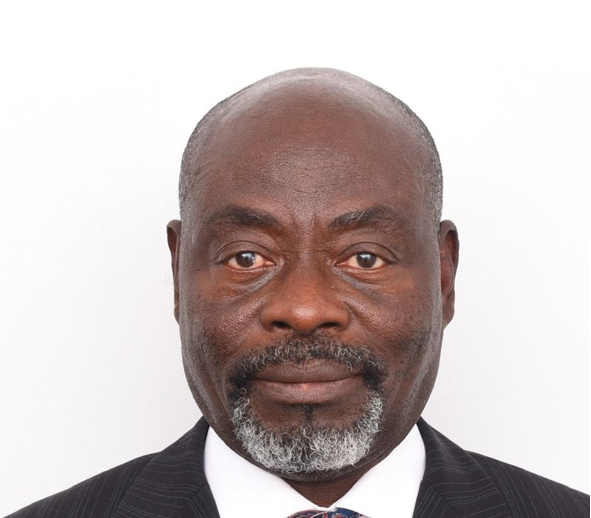
By Nana Sifa Twum, PhD
President John Dramani Mahama’s decision in March 2026 to order a comprehensive review of Ghana’s pension system is not only timely but necessary for the country’s economic stability, social protection, and long-term national development.
His observation that Ghana’s pension framework needs a second look reflects the growing concerns among workers, labour unions, pension experts, and ordinary citizens about the sustainability, inclusiveness, and adequacy of the current pension system.
For years, pension discussions in Ghana have largely focused on formal-sector workers, leaving millions in the informal economy with little or no retirement protection. Yet the informal sector constitutes the backbone of Ghana’s economy, employing a substantial majority of the labour force.
Market women, farmers, fishermen, artisans, commercial drivers, hairdressers, carpenters, masons, and small-scale entrepreneurs contribute significantly to national productivity, yet many grow old without financial security.
This situation poses both a social and an economic danger to Ghana. A country cannot meaningfully speak about inclusive national development if a large share of its ageing population faces poverty and uncertainty after years of hard work. President Mahama’s proposed pension review, therefore, represents more than a policy adjustment; it is a national call to rethink how Ghana protects the dignity and future of its workers.
Ghana’s current Three-Tier Pension Scheme was introduced under the National Pensions Act, 2008 (Act 766), with the aim of improving retirement security and broadening pension coverage. The system consists of the mandatory SSNIT-managed First Tier, a privately managed Second Tier, and a voluntary Third Tier intended to encourage additional retirement savings.
Although the reforms brought some improvements, serious structural weaknesses remain. Pension coverage remains heavily concentrated among formal-sector workers. This means that millions of Ghanaians who work outside formal employment structures remain excluded from meaningful pension participation.
The implications of this exclusion are enormous. Without pensions or retirement savings, many elderly people become dependent on family members for survival. In situations where families themselves are struggling economically, older citizens may experience neglect, poverty, poor healthcare access, and declining living standards. This creates social pressure on households and weakens the country’s broader social protection systems.
The urgency of pension reform is also linked to changing demographic realities. Ghana’s population is gradually ageing. Improvements in healthcare and life expectancy mean more people are living longer after retirement. While this is positive, it also means the nation must adequately prepare to support an ageing population. If pension reforms are delayed, Ghana could face a future social crisis where large numbers of elderly citizens live without financial security.
Another major reason why the pension review is urgently needed is the issue of pension adequacy. Many retirees complain that their monthly pensions are insufficient to meet current economic realities. Rising inflation, increasing healthcare costs, food prices, utility bills, and housing expenses continue to reduce the real value of pensions. Some pensioners who once occupied respectable professional positions retire into economic hardship and dependence.
This situation undermines public confidence in the pension system. Younger workers may question the value of contributing consistently if they believe the system will not guarantee decent retirement benefits. Informal sector workers may also feel discouraged from joining pension schemes if they do not trust the system’s fairness or effectiveness.
The pension review, therefore, offers Ghana an opportunity to rebuild trust between workers and pension institutions. It provides a chance to strengthen transparency, improve governance structures, and ensure that contributors’ funds are prudently managed and protected from political interference or mismanagement.
There is also a strong economic argument for comprehensive pension reform. A stronger pension system can contribute significantly to national economic growth. Pension funds represent long-term domestic capital that can be invested responsibly in infrastructure, housing, industry, and national development projects. Well-managed pension systems support economic stability and reduce excessive dependence on foreign borrowing.
Furthermore, expanding pension participation in the informal sector can deepen financial inclusion nationwide. When workers save consistently toward retirement, they become more connected to formal financial systems. This encourages savings culture, investment awareness, and long-term financial planning among citizens.
The benefits of pension reform also extend to national productivity. Workers who feel secure about their future are often more motivated and productive. Retirement security reduces anxiety and uncertainty among workers and promotes social stability. A nation where citizens believe their future is protected is more likely to experience social cohesion and economic confidence.
President Mahama’s review initiative also creates an opportunity to modernise Ghana’s pension administration systems. Technology can play a major role in improving pension accessibility and efficiency. Mobile money platforms, digital contribution systems, biometric identification, and simplified registration processes can make pension participation easier for informal sector workers who may not have access to traditional banking systems.
Additionally, public education must become central to the reform agenda. Many Ghanaians still lack a proper understanding of pensions and retirement planning. Some young workers see pensions as distant concerns, while others misunderstand how contributions and benefits work.
National education campaigns involving the media, labour unions, churches, traditional leaders, and civil society organisations can help build pension awareness and encourage long-term retirement planning.
Labour unions and organised labour groups also have an important role to play in shaping the reform process. Pension reforms must not be imposed without broad consultation. Workers must feel represented in discussions concerning their retirement security. Transparency and stakeholder engagement will be essential if the reforms are to gain public confidence and long-term acceptance.
Importantly, the review should not only focus on contributors within existing structures but also consider vulnerable elderly citizens who have never had the opportunity to contribute formally toward pensions. Social intervention policies targeted at vulnerable senior citizens can help reduce elderly poverty and reinforce national compassion and social justice.
The success of any pension reform will ultimately depend on political will, institutional discipline, and public trust. Ghana must resist the temptation to treat pension reforms as temporary political exercises. Retirement security affects national stability, economic confidence, and intergenerational well-being. It requires consistency, accountability, and long-term thinking.
President Mahama’s view of a pension system that does not reflect the economic needs of the citizens should therefore be viewed as a wake-up call for policymakers, employers, labour unions, financial institutions, and citizens alike. Pension reform is no longer optional; it is a national necessity.
A country that fails to protect its elderly citizens risks weakening its moral and social foundations. Workers who spend decades contributing to national development deserve dignity, security, and peace in retirement. Ghana’s pension review, therefore, represents an opportunity to build a fairer, stronger, and more inclusive future for all workers.
If implemented effectively, the reforms could transform retirement from a period of fear and uncertainty into a stage of dignity and stability. That would not only benefit pensioners but strengthen Ghana’s economy, deepen social protection, and reinforce national development for generations to come.
Post Views: 54
Discover more from The Business & Financial Times
Subscribe to get the latest posts sent to your email.