
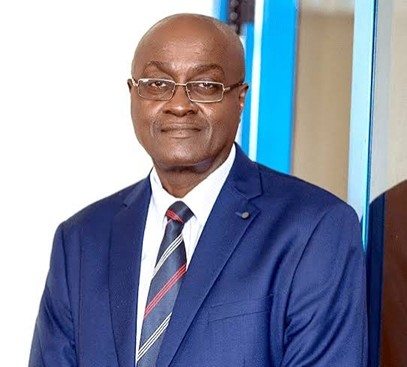

Dr. Richmond Akwasi Atuahene, Corporate Governance/ Banking Consultant
1.0 Background/Context
State-owned enterprises (SOEs) played key roles in the economic history of Ghana. Following independence in 1957, the new independent government adopted a socialist system where the state assumed a leading role in economic activity.
Major investment and productive activities were carried out through public statutory corporations (PSCs), including SOEs. The growth of the SOEs sector came to a halt following the 1980s and 1990s economic crises, which resulted in reduced capacity of the government to finance large investment projects and deterioration of the SOEs performances.
Over the years, Government of Ghana (GOG) has built up a large portfolio of equity holdings, which can be categorized as follows:(a) State-Owned Enterprises (SOEs) created as wholly owned limited liability companies or statutory corporations mandated to pursue a commercial and/or strategic interest on behalf of the state. These SOEs are expected to be financially self-sufficient, but may benefit from some form of support from Government.
(b) Joint Venture Holdings: These are companies in which government has either a majority or minority shareholding for the purpose of forming strategic partnerships with the private sector or resulting from residual shares in privatization sales.
(c) Sub-vented Agencies: These are organizations that depend solely or partially on the government’s purse for their operations. Some of these agencies draw their salaries and sometimes goods and services from the national budget. State Owned Enterprises (SOEs) are key features of Ghana’s economy and can be sources of fiscal risks to the country’s public finances. SOEs tend to underperform due to a variety of factors, including fundamental problems in their governance. SOEs are the business units of Government and must therefore be managed like modern, autonomous and professionally run companies.
Inefficient and poorly managed SOEs had been a major source of risk to public finance and to the economy, in general. As owners, governments have the responsibility to bail out SOEs when they fail, and this would have significant consequences to the budget. Weaknesses in SOEs that supply key public services such as water, electricity, and transportation could also mean disruptions in such services which could have economy-wide consequences.
The failure or weaknesses of SOEs ultimately becomes a fiscal or budget problem in Ghana over the years. The performance of SOEs affects the budget through a number of channels. Well-performing SOEs paid taxes and dividends to the budget. On the other hand, SOEs that run losses needed transfers and subsidies from the Government national budget. Sometimes government provided on-lending to SOEs, which may not be paid back if these SOEs do not perform well.
State-owned enterprises have also been a source of contingent liability, both explicitly when governments provide loan guarantees and implicitly because governments are expected to step in and bailout their SOEs in case of financial troubles. State owned enterprises (SOEs) have created risks for public finances. These risks are especially evident when Ghana has chosen to define its fiscal targets in terms of the public sector as a whole (i.e., including SOEs), but they are also present when the targets only cover the general or central government, because SOEs’ finances can, and often do, have adverse repercussions on government finance.
There is ample empirical evidence that SOEs have been a source of substantial risks for their government owners, and that such risks have materialized in many cases, with sizable costs for national budgets. A recent study by the IMF staff (Bova and others, 2016), using a sample of 80 advanced and emerging market countries, found that over the period 1990–2014 contingent liabilities from SOEs accounted for 14% of all identified contingent liabilities in the sample, and for 18% of realized liabilities entailing fiscal costs; and that the fiscal costs from SOEs bailouts averaged the equivalent of 3% of GDP, but reached as much as 15% of GDP in the most extreme case. As a matter of fact, realized liabilities from SOEs constituted the fourth largest source of fiscal costs (after those from the financial system, legal rulings and subnational governments) on average in the sample
Ghana’s State-Owned Enterprises (SOEs) achieved strong revenue growth in 2024 but continue to weigh heavily on public finances due to ballooning losses and unsustainable debt levels. In 2025, State-Owned Enterprises (SOEs) in Ghana posed a major fiscal risk, costing the economy an estimated GHS 9.67 billion in net sector losses. While the sector generated significant revenues reaching over GHS 133.68 billion, ballooning finance costs and legacy debts heavily eroded public finances The sector’s net loss deepened to GHS 9.67 billion, a significant rise from the GHS 7.14 billion loss recorded the previous year.
High operational costs and shortfalls within the energy and financial sectors historically account for the lion’s share of these fiscal liabilities, with government interventions averaging 1.7% of GDP to cover sector deficits. The fiscal cost of State-Owned Enterprises (SOEs) on Ghana’s economy is extensive, marked by deep structural losses and multi-billion Cedi deficits. In recent fiscal years, SOEs recorded aggregate net losses hovering around GH¢9.67 billion. To prevent sector collapse, the government has injected massive bailouts—including spending about $1.47 billion to clear energy sector shortfalls and over GH¢1 billion recapitalizing struggling financial SOEs.
Key cost drivers and fiscal risks were the energy sector; financial & agricultural sectors and high finance costs. Entities like the Electricity Company of Ghana (ECG) continue to operate with high technical and commercial losses. Government allocated $345 million in a single budget to help address systemic energy debt; Significant bailouts were provided to entities like the National Investment Bank (NIB) and the Agricultural Development Bank (ADB). Additionally, legacy debt conversions (such as COCOBOD’s GH¢5.8 billion) have been moved directly onto the central government’s books and despite generating robust revenues in excess of GH¢130 billion annually, the majority of gross earnings are consumed by excessive operating expenses, foreign exchange exposures, and heavy debt servicing.
The government has signaled a strict ‘no bailout’ approach for persistently underperforming entities and is pursuing rigorous corporate governance reforms. For more detailed operational insights and continuous performance contracts, refer to the State Interests and Governance Authority (SIGA) or the Ministry of Finance’s
In 2026, Ghanaian State-Owned Enterprises (SOEs) could face intense pressure to eliminate persistent financial losses, with the government threatening dissolution for underperformers. State-Owned Enterprises (SOEs) remain a significant fiscal risk to Ghana’s economy, particularly in the post-International Monetary Fund (IMF) environment, with nearly two-thirds of commercial SOEs generating losses and contributing heavily to public debt. As Ghana prepares to end its IMF-supported program in August 2026, the sector’s inefficiency threatens to undo recent stabilization gains achieved in 2025. The Government must urgently tackle the inefficiencies in SOEs in order to maintain fiscal discipline necessary for Ghana’s economic recovery in the post-IMF period. The persistent losses and poor financial management in the energy sector and SOEs sectors could continue to threaten Ghana’s fiscal stability.
2.0 Strategic SOEs in Ghana
Based on data from the Ministry of Finance and the State Interests and Governance there are nine SOEs that are deemed as Strategic Importance due to their role in national infrastructure, energy supply, revenue generation and economic development: Some of the State-Owned Enterprises (SOEs) in Ghana have been of strategic importance to the national economy, acting as key drivers in energy, finance, infrastructure, and natural resources. As of 2026–2027, these entities must be repositioned from being potential fiscal risks to engines of economic growth and value creation. Key strategic SOEs (and Joint Venture Companies) based on performance and economic impact include:
- Volta River Authority (VRA): A cornerstone in Ghana’s energy sector established to manage power generation. It is one of the top contributors to assets and revenue, consistently scoring high in performance.
- Ghana National Petroleum Corporation (GNPC): Crucial for managing Ghana’s oil and gas resources and attracting foreign investment, playing a vital role in GDP growth.
- Electricity Company of Ghana (ECG): Responsible for the distribution of electricity. While often facing financial challenges, it is one of the ten largest SOEs by assets and is critical to national power infrastructure.
- Ghana National Gas Company (GNGC): Recognized by SIGA for sustained profitability.
- Bulk Oil Storage and Transportation Company (BOST): Strategically important for maintaining national fuel security and profitability.
- Ghana Ports and Harbours Authority (GPHA): A critical entity for international trade and shipping, frequently listed among the best-performing SOEs, reports the SIGA 2024 State Ownership Report.
- Ghana Airports Company Limited (GACL): Manages airports crucial for transport and logistics
- Ghana Cocoa Board (COCOBOD): Of massive strategic importance for the marketing and regulation of cocoa, a core export commodity
3.0 Fiscal Challenges Posed by SOEs
Persistent losses by Ghana’s State-Owned Enterprises (SOEs) severely strain government finances and inflate public debt. When SOEs post structural deficits or become technically insolvent, the government is forced to provide bailouts, absorb operational costs, and issue guarantees for their heavy borrowing, which significantly widens the national budget deficit. Direct Impact on Ghana Government finances include the keeping of critical SOEs (such as utilities and transport providers) operational, the government frequently steps in with direct financial bailouts and subsidies.
This absorbs tax revenues that could otherwise fund public infrastructure, healthcare, or education. Chronic revenue leakages, operational inefficiencies, and non-cost-reflective pricing in major entities (e.g., the Electricity Company of Ghana and COCOBOD) lead to massive fiscal deficits. These deficits frequently cause the government to miss its fiscal consolidation. Many heavily indebted SOEs borrow funds for operations or infrastructure expansion on the strength of state guarantees. When these enterprises default, the debt is transferred directly onto the central government’s balance sheet, inflating the overall stock of public debt.
Defaulting SOEs can cause cascading financial difficulties for associated financial institutions and energy sector partners. The resulting sector-wide debt (such as the energy sector legacy debts) ultimately requires national restructuring, burdening taxpayers with higher debt-servicing costs. To mitigate these systemic risks, the government, guided by the State Interests and Governance Authority (SIGA), continuously publishes ownership reports to track performance.
Furthermore, under recent economic stabilization frameworks like the IMF bailout program, the government has moved to enforce commercial viability, limit unbudgeted borrowing, and explore options such as public-private partnerships or privatization for non-performing enterprises. Weak state-owned enterprises, especially the Electricity Company of Ghana (ECG); GWCL and COCOBOD, that generated fresh losses have undermined the fiscal balance. Ghana’s SOE sector continues to impose a heavy fiscal burden.
The 2025 State Ownership Report indicated that nearly two-thirds of commercial SOEs were loss-making, with cumulative net losses exceeding GHS billions and GHS billions in recent years thereby increasing the public debt. Many of the SOEs operate with soft budget constraints, expecting eventual bailouts from the government. Such recurrent transfers and guarantees amount to disguised subsidies that erode fiscal space and weaken incentives for reform. The persistent losses of SOEs are a significant, direct driver of fiscal imbalance and surging public sector debt.
In many emerging economies in the Sub-Saharan Africa particularly Ghana, these losses have created a slow drip of fiscal risk that accumulates rapidly, necessitating bailouts and increasing the public debt burden. The key impacts on the country’s fiscal balance and public sector debt include SOEs net loss accumulation; ballooning finance costs, subsidies and bailouts and contingent liabilities. SOEs persistent losses dragged down national fiscal performance, with a 2024 report in Ghana showing combined losses of GHS9.68 billion, a 35.4% increase in losses from 2023.
High debt servicing costs by SOEs, often in foreign currency threatening the financial viability of energy and financial sectors as demonstrated by the GHS 9.4 billion finance cost recorded by Ghana’s SOE sector in 2024. Governments were often forced to intervene through cash injection, equity increases, and assuming debt which directly deteriorates the fiscal balance. Many SOEs debts are contingent liabilities that are guaranteed by the state but later turned into explicit government liabilities when the SOEs fail to repay
Even though the government spent over $1.47 billion in 2025 to address energy sector shortfalls, with continued losses by the ECG posing “significant fiscal risks”. The cost of inefficiencies within the sector, citing government spending of about $1.47 billion to address energy sector shortfalls, as well as continued losses by the Electricity Company of Ghana (ECG), which he said loses approximately 40 percent of power through technical and commercial inefficiencies. Critical sectors like energy and cocoa are struggling with low production and price volatility, directly affecting the revenue of SOEs within these industries.
Some of the key challenges identified by the review conducted by World Bank/Ghana Government in 2018 included (i) the lack of a clear framework for state oversight of the SOE sector; (ii) weak boards and management that lack autonomy in commercial decision-making; (iii) weak disclosure practices to hold SOEs accountable for results; and (iv) the fragmented and uncoordinated management of SOEs by multiple government organization.
Pursuant to IMF-supported programs, SOEs are restricted from contracting new non-concessional loans above $70 million, and the government has banned the issuance of new guarantees in 2026. Underperforming SOEs face imminent threats of dissolution, privatization, or listing on the stock exchange as the government demands efficiency and ends tolerance for losses. Many SOEs suffer from weak boards, lack of autonomy in commercial decision-making, and poor disclosure practices, necessitating a comprehensive state ownership policy to improve performance.
Critical sectors like energy and cocoa are struggling with low production and price volatility, directly affecting the revenue of SOEs within these industries. In the financial sector, the government recapitalized the National Investment Bank (NIB) and Agricultural Development Bank (ADB) with over GH¢1 billion in 2025, while also pursuing the conversion of COCOBOD’s GH¢5.8 billion legacy debt into equity. Some massive financial losses included the Electricity Company of Ghana (ECG) recorded consistent losses between 2021 and 2023, including GHS 8 billion in 2022 and GHS 5.96 billion in 2023.
Another sector-specific drains was the Ghana Cocoa Board (COCOBOD) reported significant losses of GHS 2.4 billion (2021) and GHS 3.8 billion (2022). Noted operational inefficiencies included the Ghana Water Company Limited (GWCL) loses over half of its produced water to theft and leaks, with only 48% billed and paid for. Turning to ECG and Ghana Water Company Ltd are revenue collection failure companies as deliberate and systemic. Instead of strengthening collections, management relies on tariff hikes approved by PURC, a lazy man’s approach that punishes consumers while tolerating inefficiency and losses
a…Persistent Underperformance and Fiscal Risks: Five SOEs—Ghana Cylinder Manufacturing Co. Ltd, GNPA Ltd, Ghana Water Company Ltd, Graphic Communication Group Company, and Tema Oil Refinery—consistently reported losses over the 2020-2024 period, posing significant fiscal risks to the Government. Mounting debts of ECG and Ghana Water Limited (GWL), and COCOBOD’s challenges continue to undermine overall progress.
b…Clear underperformance & low compliance as 61 SOEs out the 185 met the 30 April 2026 deadline. In 2026, only 61 out of 185 state entities met the April 30 deadline for submitting financial statements to the State Interests and Governance Authority (SIGA), indicating low compliance. Ghana’s State-Owned Enterprises (SOEs) suffer from systemic underperformance, massive financial losses (e.g., historical multi-billion -cedi deficits), and widespread non-compliance with the Public Financial Management (PFM) Act. A recent review by the Finance Ministry revealed that the vast majority of SOEs are highly non-compliant with the PFM Act. Out of the numerous covered entities, only a handful (such as the top 7) met highly compliant standards: Root Causes of Underperformance and Non-Compliance: Political Interference & Governance Lapses: Appointments to SOE boards and executive management positions are frequently based on political patronage rather than merit, which fosters mismanagement: Procurement Fraud & Corruption: Rampant procurement breaches and lack of transparency have frequently drained resources, resulting in consistent loss-making.: Weak Enforcement: Historically, there has been a lack of strict enforcement of corporate targets and poor adherence to PFM reporting requirements.
c….Other challenges include, weak boards and management that lack autonomy in commercial decision-making; weak disclosures practices to hold the SOEs accountable for results. ie. where State Transport Corporation and GIHOC Distilleries make losses and fragmented and uncoordinated management of SOEs by multiple government agencies. Many SOEs suffer from weak boards, lack of autonomy in commercial decision-making, and poor disclosure practices, necessitating a comprehensive state ownership policy to improve performance.
The corporate boards may not have the necessary independence, due to political interference, or management may lack the necessary mix of skills, knowledge and experience, which can be compounded by weak internal controls. Weak governance and oversight mask weaknesses and vulnerabilities in the SOEs’ operations. Absence of independent and competent supervisory board means that SOEs would not have effective internal control and audit arrangements.
State-owned enterprises may also become inefficient and more risk taking, including indebtedness, if their governments do not exercise adequate oversight over their operations. Politically motivated interferences in the SOEs’ day to day operations, including in decisions on the location and types of investment, recruitment of staff, procurement, etc. Such behaviors frequently entail costs in terms of efficiency, and by diluting the responsibilities and accountability of SOEs’ management and Boards, justify their expectations to be bailed out in case of financial difficulties.
d…Inadequate oversight may lead to higher risk taking and weaker budget discipline. When SOEs are be properly monitored it may create incentives for less efficiency and more risk taking, including over-indebtedness, in the expectation that taxpayers will ultimately bail out the firm. The weak oversight may reflect lack of information—such as timely, standardized and reliable financial reports—or weak governance and corruption
e…Arrears between SOEs and governments. Cross arrears between SOEs, which tend to be associated with persistent mismanagement or unresolved legacy issues, can cripple their capacity to service debt or provide returns to the government.
However Consistent SOEs Profit Makers: Nine SOEs, including GPHA, Bui Power Authority (BPA), Ghana National Gas Company (GNGC), and Bulk Energy Storage & Transportation Company (BOST), demonstrated uninterrupted profitability over the five-year period.
4.0 Why Ghana’s SOEs could still pose significant fiscal burden and Public Debt in the Post IMF era.
In the post-IMF period, State-Owned Enterprises (SOEs) could slide back into fiscal indiscipline by continuing to rely on implicit or explicit government guarantees and direct capital bailouts. Underperforming SOEs frequently use their strategic importance as leverage to secure emergency subsidies and sovereign guarantees, shifting systemic debt risks directly onto national balance sheets
SOEs could issue debt that is implicitly or explicitly underwritten by the state. During IMF programs, governments face strict ceilings on guarantees to prevent debt crises. Once an IMF program ends, SOEs may resume excessive borrowing under the assumption that the government will act as the ultimate guarantor, creating unbudgeted contingent liabilities. Underperforming and operationally inefficient SOEs often run persistent losses. To prevent utility disruptions or debt defaults, governments are regularly forced to make ad-hoc budgetary transfers, capital injections, or absorb tax arrears. SOEs may be mandated by the government to provide goods or services below cost-recovery levels (e.g., in the energy or transport sectors) without receiving budgeted compensation. This causes the SOE to accumulate heavy liabilities or run operational deficits, forcing the national treasury to bail them out
State-Owned Enterprises (SOEs) could pose a severe fiscal threat post-IMF program because they often operate under soft-budget constraints, relying on continuous government bailouts, subsidies, and uncollected tax revenues. Their hidden debts, such as unfunded liabilities and state-guaranteed loans, frequently crystalize into sudden fiscal shocks. State-owned enterprises (SOEs) pose a severe threat to post-IMF fiscal stability because of implicit contingent liabilities and structural inefficiencies. As Ghana exit strict IMF-monitored programs, unaddressed structural weaknesses in state-run utilities, transport, and energy sectors can quickly derail broader economic consolidation and debt sustainability.
Key structural vulnerabilities in the post IMF include: Contingent Liabilities: Default on state-guaranteed debt or loans contracted by SOEs often falls directly onto the national budget, undermining deficit reduction. Operational Inefficiencies: Poor corporate governance and uncommercial policy mandates (e.g., artificially low pricing for utilities or transport) result in chronic operational losses, requiring continuous cash injections. Crowding Out: Financially distressed SOEs not only drain state resources but often require preferential access to capital or market protection, stifling private sector growth and economy-wide productivity
5.0 Conclusion
State-owned enterprises are a significant presence in countries like Ghana as many operate in core economic sectors and provide basic goods and services. However, at their worse SOEs can cause large disruptions in the economy, including recessions, and place governments in financial distress due to the need to provide bailouts. But even abstracting from the worse scenarios, the weak performance of SOEs will limit productivity and economic growth.
It will also mean a burden to governments either because it will need to support the company (transfers, capital) or because of loss of revenue (dividends, taxes). Badly managed SOEs will also be less prepared to manage shocks increasing the fiscal risks to government. Government, in general, has room to strengthen the capacity to better monitor the performance and risks from SOEs. A priority it that government needs to demand timely and reliable reporting from SOEs to ensure accountability.
There are several strategies that can be pursued to mitigate risks. A key element is to promote the right incentives by managers and avoid soft-budget constraints. Setting a no bailout condition is unlikely to be credible or sufficient in most countries. Other tools will also have to be used, including setting performance goals and limits to borrowing. Another element is strengthening the capacity of government to oversee the firms.
It is equally important to ensure governments have the right incentives. The paper argues there are advantages to include SOEs in fiscal targets. It creates more incentives for fiscal discipline—Ghana government must exercise greater oversight over SOEs to ensure it abides by targets. It will prevent that governments circumvent fiscal targets by shifting expenditures to SOEs—including, reducing incentives for unfunded quasi-fiscal activities. In post- IMF period SOEs could continue fiscal indiscipline, specifically citing the need to reduce reliance on government guarantees and transfers to underperforming SOEs. Finally, it would ensure that the broader fiscal policy goals are consistent across the public sector, for example, in keeping total public debt at safe levels.
6.0 Strategic Recommendations for Policy Direction
First, Ghana Government must have a deliberate political choice that redirect business away from public enterprises toward private interest. Losses by Ghana’s State-Owned Enterprises (SOEs) severely strain government finances and inflate public debt. When SOEs post structural deficits or become technically insolvent, the government is forced to provide bailouts, absorb operational costs, and issue guarantees for their heavy borrowing, which significantly widens the national budget deficit. The Government must adopt pragmatic policies to divest itself through outright sales, lease and possible liquidation to improve on the country’s fiscal balance.
The government must signal tough measures against underperforming and non-compliant entities, threatening mergers, privatization, or outright closure of loss-making SOEs. The Government divested 192 State Enterprises between1989-1999 with total value of some US$747 million including US$462.4 million from AGC. Between 1989 and 1999 then government divested SOEs through Joint Ventures, Leases. Liquidation, Outright Sales and Sale of Shares as part of the Government fiscal policy intervention (Bawumia 2010)
Second, the Government must strengthen governance in the public institutions by reducing political influence in the civil service and also enhance anti-corruption and bribery mechanisms in the public institutions. As part of the strengthen of governance, transparency, accountability and decentralization must be matched with improved local government accountability capacity
Third, as part of Government medium-term reforms, the state must tackle the structural sources of fiscal imbalance. This requires overhauling ECG, potentially with private sector participation, to improve efficiency and reduce losses, while bringing the Energy Sector Recovery Program back on track. Furthermore, COCOBOD must also be comprehensively restructured to focus narrowly on its core mandate of cocoa production and marketing, rather than engaging in quasi-fiscal activities that weigh on the budget. The Government must continue fiscal discipline, specifically citing the need to reduce reliance on government guarantees and transfers to underperforming SOEs
Fourth, the Government must encourage Public-Private Partnership model similar to Canadian model which leverages on private sector expertise, competencies and capital particularly in infrastructure and service fostering innovation and efficiency. Public-private partnerships should play a central role in bridging Ghana’s infrastructure gap, particularly in trade-related logistics and connectivity.
Fifth, the Government of Ghana must strengthen SOE governance, moving towards performance contracts, transparent reporting, and independent boards. For the 2026 budget cycle, this should mean more than reporting losses; it should involve binding fiscal rules: SOEs that fail to meet operational efficiency benchmarks should not qualify for government guarantees or transfers. Over the medium term, partial divestiture or strategic partnerships in non-strategic sectors to reduce the fiscal risks.
The Government must do more than hit a headline deficit target; it must change how revenue is raised and how public money is spent so that growth is not repeatedly eaten by energy losses, SOE drains and opaque quasi-fiscal operations. The Government must adopt SOE performance contracts with measurable fiscal targets. Prohibit new government guarantees to loss-making SOEs unless part of a restructuring plan approved by Parliament. Publish a Fiscal Risk Statement annually, quantifying contingent liabilities from SOEs. Ministry of Finance must institute explicit budget caps on transfers and subsidies, and eliminating non-commercial, politically motivated interventions in SOE operations to compel loss-making entities to transition toward cost-recovery operating models.
Sixth, the Government must ensure that all SOEs adopt international best practices by utilizing OECD framework for SOEs corporate governance practices and operational efficiency. The OECD Guidelines on Corporate Governance of State-Owned Enterprises (SOEs) serve as the international benchmark for improving the legal, regulatory, and institutional framework of state-owned entities. The guidelines, updated in 2024, are designed to make SOEs more professional, transparent, and efficient, ensuring they contribute to economic growth rather than acting as a burden on public finances
Strict independent oversight by board of directors: Enhancing the enforcement capabilities of state ownership and governance authorities to negotiate binding performance contracts, conduct independent audits, and impose direct consequences on loss-making boards and management teams
a…Key Pillars of the OECD Framework for SOEs
The OECD guidelines (also known as the “SOE Guidelines”) focus on seven main areas to professionalize state ownership:
- Rationales for State Ownership: Governments should justify their ownership and ensure it serves public interest, not political, patronage, or private interests.
- The State Acting as an Owner: The state must act as an informed and active owner, separating its ownership function from its regulatory functions to avoid conflict of interest.
- Level Playing Field with Private Sector: SOEs should compete fairly, facing similar market conditions, tax regulations, and laws as private competitors, avoiding direct or indirect financial support that offers an unfair advantage.
- Equitable Treatment of Shareholders: Ensuring that non-state shareholders (if any) are treated fairly.
- Stakeholder Relations: SOEs should be accountable, disclosing information on material issues like employee relations, human resources, and community impacts.
- Transparency and Disclosure: SOEs must adopt high-standard, independent audits and disclose financial and non-financial information to the public.
- Board Responsibilities: Boards should be professional, diverse, and independent, with the power to appoint and dismiss management.
b…Implementation and Best Practices for SOEs
Implementing these guidelines involves shifting the state’s role from passive owner to active shareholder, utilizing corporate governance to maximize public value. Key steps for adoption include:
- Professionalized Ownership: Centralizing ownership functions within a single government unit to avoid chaotic or fragmented control.
- Independent Boards: Increasing the proportion of independent directors on boards and reducing direct, routine intervention from government ministries.
- Performance Evaluation: Setting clear financial and non-financial Key Performance Indicators (KPIs) to measure efficiency.
- Sustainability Integration: Incorporating environmental and social objectives, such as climate transition goals, into the owner’s mandate
Sixth, the Government and SIGA must set benchmark financial performance for all the SOEs. Benchmarking SOEs helps to better understand its relative performance, vulnerabilities, and identify possible risks. The focus is on financial indicators, including on profitability and productivity. The benchmarking provides an indication of potential weaknesses if an SOEs performs worse than its sectoral peers in other countries—requiring further study to understand the drivers. For example, if labor costs are significantly higher than in other
SOEs, it could reflect mismanagement or imposed employment policies. The financial benchmarks can also be useful for governments to help set goals and expectation regarding
the financial performance of the SOE. The set of financial indicators used describe both the financial and operating aspects of a firm.
profitability (e.g. return on equity or assets), which provides an indication whether the assets of the government are being well used and likely future flows to the government—either transfers from the budget to the SOEs or payments of dividends;
leverage (e.g. the ratio of non-current liabilities to total assets) to gauge the level of indebtedness of the SOEs and risk of financial distress and need for government support;
liquidity (e.g. current ratio) to assess the cash needed by the SOE to cope with short term obligations;
revenues and costs per worker (e.g. operating revenue per employee or labor cost per operating revenue) to help assess the efficiency of the SOE
Seventh, limit fiscal risks from excessive borrowing by SOEs, government can choose to control such borrowing through standing rules, or through various administrative mechanisms or they may choose to rely on financial market discipline, for example by requiring SOEs to obtain minimum credit ratings as a condition for medium to long term borrowing, or for issuing bonds like Cocobod bonds. Reducing fiscal risks from SOE’s borrowing
like private companies, SOEs need access to financing, both for short term liquidity purposes and for investments. Fiscal rules requiring SOEs to consistently run balanced overall budgets
put them at a competitive disadvantage vis a vis private firms in the same sector, and can lead to serious underinvestment in key public services. They may also run counter to intergenerational equity considerations, since the benefits of SOEs’ investments frequently are enjoyed by more than one generation, which should accordingly contribute to paying for them through the purchase of goods and services whose prices incorporate the cost of servicing the debt incurred to finance the investment.
However, to minimize fiscal risks, it is essential that the SOEs’ access to financing be contained within limits consistent with their debt servicing capacity, in both the short and the longer term. For this purpose, governments should both eliminate preferential channels or terms of access of SOEs to financing, and introduce transparent, non-discretionary, and effective systems of control of SOEs’ borrowing, primarily focused on solvency and liquidity
criteria.
The granting of explicit guarantees to SOEs should be avoided, or at least strictly limited to the financing of investment projects of clear public interest. It should be subject to an aggregate ceiling for the sector, defined by the Ministry of Finance (MoF) and approved by Parliament in the context of the budget process. Within that ceiling, guarantees to individual SOEs should only be granted on the basis of a transparent analysis by the MoF of the SOE’s capacity to service the debt, they should be adequately collateralized by the SOE’s liquid assets or expected revenues; and should be accompanied by significant fees, comparable to those levied on any guarantees granted to private enterprises (as is done in Australia). MoF has set borrowing limits during 2023 IMF program: Covered Entities and SOEs are limited to $70 million in new non-concessional loans and require explicit, written approval from the Minister for Finance for any new borrowing. Hope that MoF would continue with the existing borrowing limits for the SOEs.
Eighth, the Ministry of Finance and SIGA must strengthen SOEs’ financial management. Sound financial management systems are key to good operational and financial performances of SOEs, and therefore to reducing the fiscal risks posed by these enterprises.
Accordingly, shareholder government should take proactive steps to ensure that such systems are in place in their SOEs. This is the case regardless of the specific models of corporate governance and control chosen for the enterprises. Governments should provide clear guidance to their SOEs on all aspects of financial management, namely the preparation of multi annual business plans and annual budgets; the monitoring of execution of both their revisions, if needed; accounting; reporting; internal and external audit and asset liability management. They should also monitor and enforce SOE’s compliance with such guidance and reporting. Responsibility for these tasks in must reside with the MoF and SIGA.
Post Views: 60
Discover more from The Business & Financial Times
Subscribe to get the latest posts sent to your email.