
In the theatre of politics, words are currency. They inspire hope, mobilise citizens, and, at their best, chart a pathway to a better future.
Yet, increasingly in Ghana and across the world, those same words have become instruments of convenience—deployed with passion in opposition, only to be quietly abandoned or conveniently reinterpreted once power is attained. This phenomenon, often described as political double speak, has become so pervasive that many citizens now greet campaign promises with scepticism rather than optimism.
It is a troubling reality: politicians say one thing when they seek power and do another when they wield it. What is even more disconcerting is not merely the shift in position, but the absence of honest, transparent explanations for such reversals.
Instead, the public is often served vague justifications, technical jargon, or, worse still, silence. Over time, this pattern erodes trust, weakens democratic accountability, and fosters a culture of resignation among citizens.
The Familiar Script
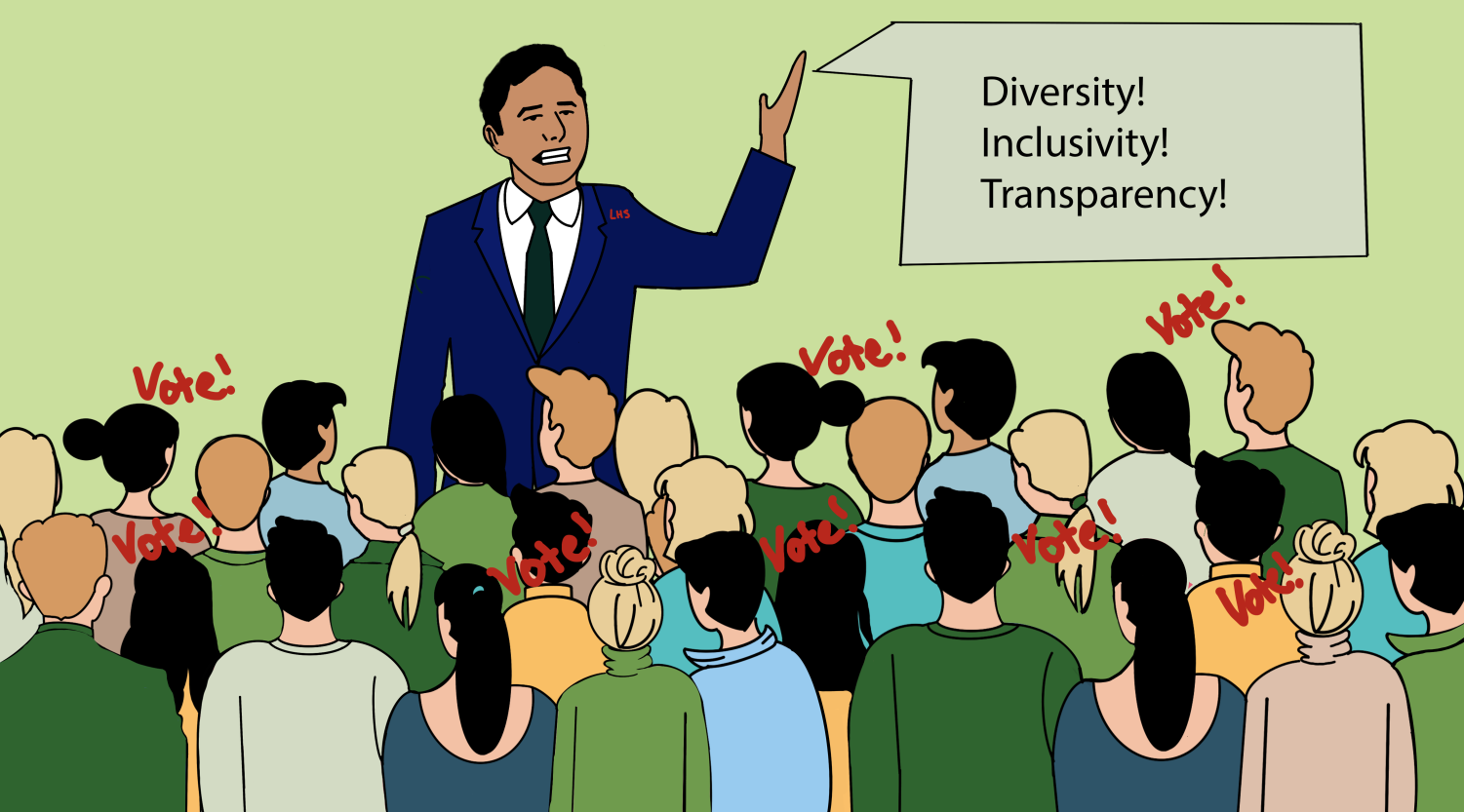
The script is all too familiar. While in opposition, political actors position themselves as champions of the people. They criticise policies they deem unjust, promise sweeping reforms, and project themselves as the antidote to the failures of the incumbent government. They speak in absolutes—“we will never,” “we will always,” “we guarantee.”
Yet, once elected into office, the tone shifts. Policies once condemned are now defended.
Initiatives previously labelled as harmful are rebranded as necessary. Taxes that were vehemently opposed are retained or even expanded. The rhetoric of certainty gives way to the language of pragmatism.
In Ghana, this pattern has played out across successive administrations. It is not the preserve of any one political party; rather, it appears to be an entrenched feature of the political landscape. The same voices that decried economic hardships while in opposition often find themselves urging patience and understanding when confronted with similar challenges in government.
The Cost of Convenience
At the heart of this issue lies a fundamental question: why do politicians engage in double speak? The answers are complex, but not entirely elusive.
First, the pursuit of power often incentivises oversimplification. Campaigns are built on clear, emotionally resonant messages, not nuanced policy debates. It is easier to promise immediate relief than to explain the structural constraints that make such relief difficult to achieve.
Second, the realities of governance can be far more complicated than anticipated. Economic pressures, international obligations, and institutional limitations can force leaders to reconsider their positions. While this is understandable, it does not excuse the failure to communicate these challenges honestly to the public.
Third, and perhaps most troubling, is the possibility that some promises are made without any genuine intention of being fulfilled. In such cases, double speak becomes a deliberate strategy rather than an unfortunate consequence of governance.
The cost of this behaviour is profound. Trust, once lost, is difficult to regain. When citizens begin to believe that political promises are inherently unreliable, they disengage from the democratic process. Voter apathy rises, cynicism deepens, and the legitimacy of public institutions is undermined.
A Crisis of Accountability
One of the reasons double speak persists is the lack of effective accountability mechanisms. While Ghana’s democracy has made significant strides, there remains a gap between political rhetoric and consequences.
Election cycles, which should serve as moments of reckoning, often fail to deliver meaningful accountability. Political loyalties, ethnic considerations, and short-term incentives can overshadow issues of policy consistency and integrity. As a result, politicians may calculate that the benefits of making ambitious promises outweigh the risks of failing to deliver on them.
The media, too, has a critical role to play. While there are many commendable efforts within Ghana’s media landscape, there is a need for more sustained, evidence-based scrutiny of political statements over time. Fact-checking should not end with the campaign; it must continue throughout the tenure of those in office.
Civil society organisations and think tanks can also contribute by tracking policy commitments and highlighting discrepancies between promises and actions. In an age of digital technology, there is no shortage of tools to document and analyse political communication. What is required is the collective will to use these tools effectively.
The Human Dimension
Beyond the abstractions of policy and governance, political double speak has a deeply human impact. For the ordinary Ghanaian—struggling to make ends meet, seeking better opportunities, and hoping for a more secure future—political promises are not mere words. They represent expectations, plans, and, often, sacrifices.
When those promises are not honoured, the consequences are tangible. A trader who expands her business in anticipation of favourable policies may find herself burdened by unexpected taxes. A young graduate who believes in job creation pledges may face prolonged unemployment. A family that budgets based on promised cost-of-living reductions may be forced into difficult choices.
These are not abstract outcomes; they are lived realities. And each unfulfilled promise chips away at the social contract between the governed and those who govern.
The Way Forward
Addressing the challenge of political double speak requires a multifaceted approach.
First, politicians themselves must embrace a higher standard of integrity. This includes not only making realistic promises but also providing clear, honest explanations when circumstances necessitate a change in position. Admitting constraints or even mistakes should not be seen as a sign of weakness, but as an essential component of responsible leadership.
Second, political parties must strengthen their internal policy frameworks. Campaign promises should be grounded in rigorous analysis and aligned with the party’s long-term vision. This would reduce the likelihood of dramatic shifts in position once in power.
Third, citizens must demand more from their leaders. This involves moving beyond partisan loyalties and evaluating political actors based on their consistency, credibility, and performance. An informed and engaged electorate is the most effective antidote to political opportunism.
Fourth, the media and civil society must continue to shine a light on inconsistencies. By holding leaders accountable for their words, they can help foster a culture of transparency and responsibility.
A Call for Authentic Leadership
Ultimately, the issue of political double speak is not merely about words; it is about trust. Democracy thrives on the belief that leaders will act in good faith that promises will be made with sincerity, and that changes in policy will be explained with honesty.
Ghana has come a long way in its democratic journey. The nation has demonstrated resilience, stability, and a commitment to peaceful transitions of power. Yet, the persistence of double speak threatens to erode these gains.
It is time for a reset. A shift from rhetoric to responsibility. From convenience to consistency. From double speak to authentic leadership.
For in the end, words matter. And when they are spoken in the public arena, they carry the weight of expectation—and the obligation of truth.
Post Views: 1
Discover more from The Business & Financial Times
Subscribe to get the latest posts sent to your email.