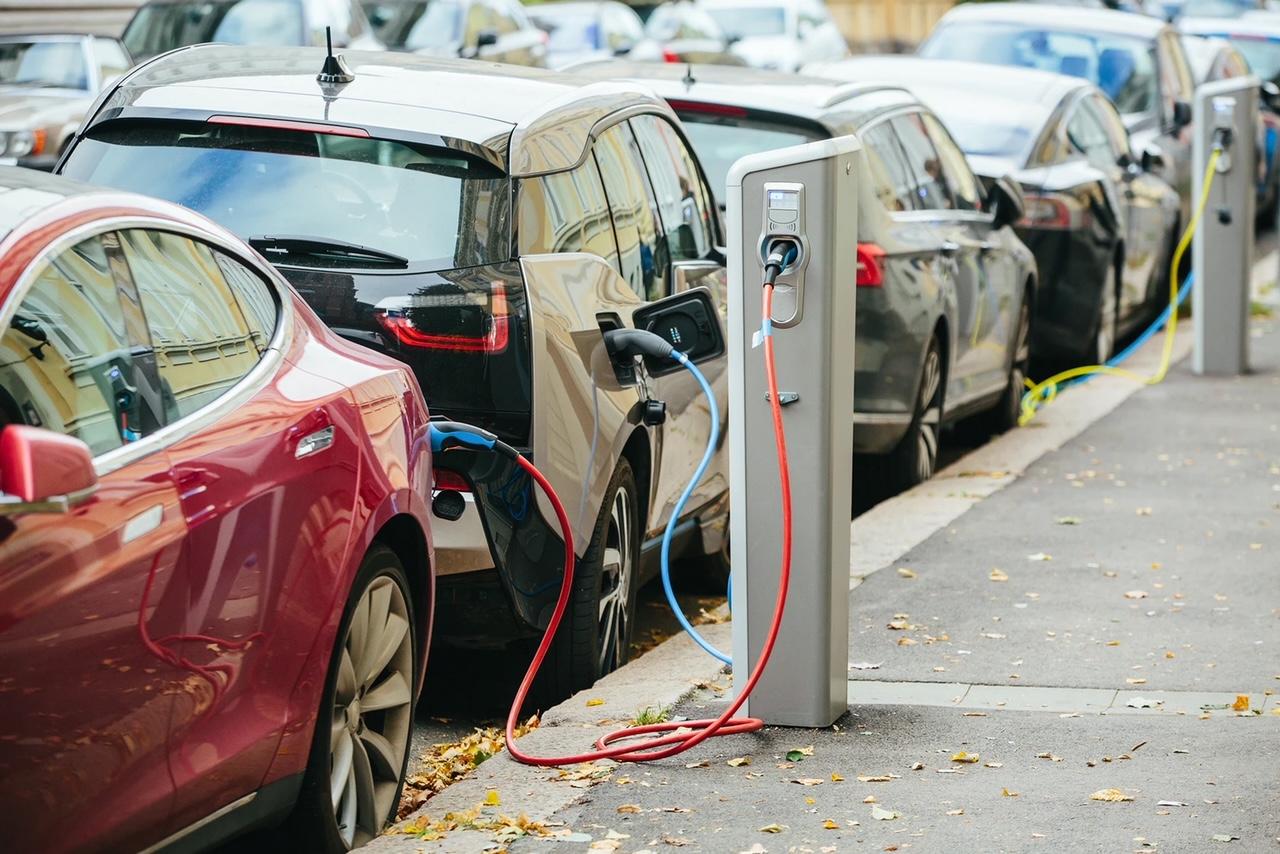
President John Dramani Mahama is reported to have announced on Tuesday, 15th September, plans to regulate the establishment of electric vehicle (EV) charging stations to prevent uneven pressure on Ghana’s electricity distribution network.
He is reported to have added that the growing number of charging stations require proper planning to ensure they are not concentrated in areas where existing transformers and substations lack the capacity to support additional demand.
On the surface, government’s plans sound rational and logical. But let us interrogate this a bit further.
- Cost of charging stations. Installing a fast-charging DC Charging Station, for example, may cost anything up to $55,000. Depending on the number of vehicles that may charge per day and the tariff band from ECG, it may take up to 4 years to recoup the investment and begin to make profit. This has implications for where an investor would like to locate the charging station, making sure that there would be enough EV owners using the facility on a daily basis to achieve revenue targets. If a charging station is sited away from where EV owners would be willing to go charge their vehicles, they would rely more on home charging, which leads to a second issue that the government needs to consider.
- Currently, EV owners can and do install Level 2 home charging units. Most EV owners would charge their vehicles overnight. Depending on the concentration of EV ownership, regulating public charging stations won’t address transformer capacity issues in neighbourhoods where many EV owners decide to charge their vehicles around the same time (overnight). And home charging will increase if owners find it difficult to access charging stations along their usual routes or near their places of work.
- I think government should instead consider the following approach:
a. Map out the country based on major traffic movements and projected EV ownership concentration.
b. Designate specific locations, within reasonable radius/distances, for the establishment of charging stations.
c. Upgrade transformers and substations within those locations to accommodate the projected increase in capacity demand from EV charging stations.
d. Consider general upgrade of transformers in suburbs where increase in capacity demand from home charging is projected to occur. We need to anticipate that home charging is inevitable, because many more people prefer home charging to using charging stations, especially when they have to join a queue at charging stations that would waste their time.
Kwaku Antwi-Boasiako, Accra
September 15, 2026
DISCLAIMER: The Views, Comments, Opinions, Contributions and Statements made by Readers and Contributors on this platform do not necessarily represent the views or policy of Multimedia Group Limited.
DISCLAIMER: The Views, Comments, Opinions, Contributions and Statements made by Readers and Contributors on this platform do not necessarily represent the views or policy of Multimedia Group Limited.
Source link