
Traditional leaders in the Somé area of Ketu South have used their annual cultural festival to press government for basic infrastructure, highlighting persistent development gaps that leave residents without adequate roads, clean water, or healthcare facilities despite the area’s contributions to Ghana’s cultural heritage.
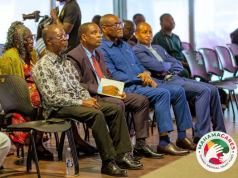
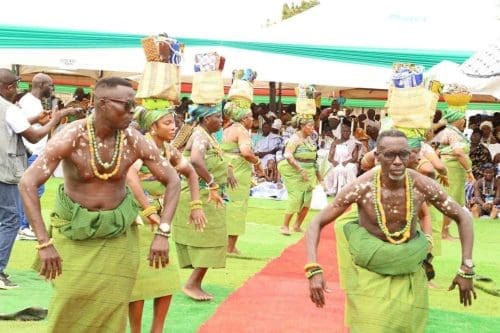
The Sométutuza festival held on Saturday, 27 September drew chiefs, queen mothers, and residents for what organizers described as a celebration blending tradition with calls for transformation. The event marked continued efforts by Torgbiga Adamah III, the area’s paramount chief, to revive and strengthen a festival that had languished during years of chieftaincy disputes before his installation.
Torgbiga Adamah III expressed appreciation to President John Dramani Mahama for commencing work on the Blekusu phase two sea defence project, which he described as providing relief to communities that have endured devastating tidal waves and sea erosion. However, he lamented what he called the unavailability of basic social amenities throughout the traditional area.
The paramount chief particularly emphasized road infrastructure, describing current conditions as deplorable and appealing for government prioritization of road construction to open the area to commerce and industry. He also highlighted the absence of clean drinking water and hospital facilities, which he said adversely affect living and health conditions for residents.
These concerns reflect broader challenges facing the Ketu South Municipality, which despite hosting significant economic activities including salt production and fishing, continues struggling with infrastructure deficits. The municipality’s population exceeds 160,000, yet healthcare facilities remain concentrated in the municipal capital Denu, requiring residents from outlying communities like Somé to travel considerable distances for medical care.
The festival theme, “Consolidating peace and unity for socio-cultural and economic development of Somé Traditional Area,” acknowledges that development requires both infrastructure investment and community cohesion. Torgbiga Adamah III has previously petitioned for the municipality to be split, arguing that the current arrangement leaves some areas underserved.
Augustus Goosie Tanoh, Presidential Advisor on the 24-Hour Economy Initiative, represented President Mahama at the celebration. He connected the festival to the administration’s economic agenda, explaining that the 24-Hour Economy Initiative includes a program called “Show 24” designed to strengthen Ghana’s creative youth.
Tanoh suggested that Sométutuza could grow into an international event, creating jobs in hospitality, fashion, logistics, and digital content creation. He urged residents to maintain vision, courage, and collective determination, emphasizing that development encompasses culture, identity, and belonging rather than merely buildings and roads.
“People of this area have contributed to national development through the kente cloth, music, dance, food, language among others,” Tanoh said, arguing that entrepreneurial and creative skills deserve recognition and celebration.
The intersection of cultural preservation and tourism development represents both opportunity and tension in many Ghanaian communities. While festivals can attract visitors and generate revenue, concerns sometimes arise about whether commercialization might dilute traditional practices or whether tourism benefits actually reach local residents.
Abla Dzifa Gomashie, Minister of Tourism, Culture and Creative Arts and Member of Parliament for Ketu South, attended the festival and charged residents to collaborate with stakeholders supporting local tourism development. Her presence reflected the Ministry’s strategy of incorporating traditional festivals into broader tourism promotion efforts.
Gomashie, who assumed the ministerial position in January 2025 after previously serving as Deputy Minister in the first Mahama administration, has emphasized investment in tourist sites across Ghana. Her role as both minister and local MP positions her to potentially channel resources toward developing Ketu South’s tourism infrastructure, though whether such support materializes remains to be seen.
The minister’s decision to incorporate World Tourism Day into the Sométutuza celebrations represented an attempt to raise the festival’s profile. World Tourism Day, observed annually on 27 September, provided a hook for connecting local cultural expression with international tourism frameworks, though whether this generates tangible benefits for Somé residents will depend on follow-through beyond the festival itself.
Torgbiga Adamah III acknowledged collaborations with the Ketu South Municipal Assembly and Seven Seas Salt Company, describing these partnerships as improving education and health in the area. Seven Seas operates salt production facilities in the municipality, and corporate engagement with local development represents one avenue for addressing infrastructure gaps when government resources prove insufficient.
However, reliance on corporate partnerships raises questions about sustainability and priorities. Companies typically focus support on areas directly affecting their operations or workforce, potentially leaving other needs unaddressed. The paramount chief’s emphasis on government responsibility for basic amenities reflects recognition that some infrastructure requires public sector commitment.
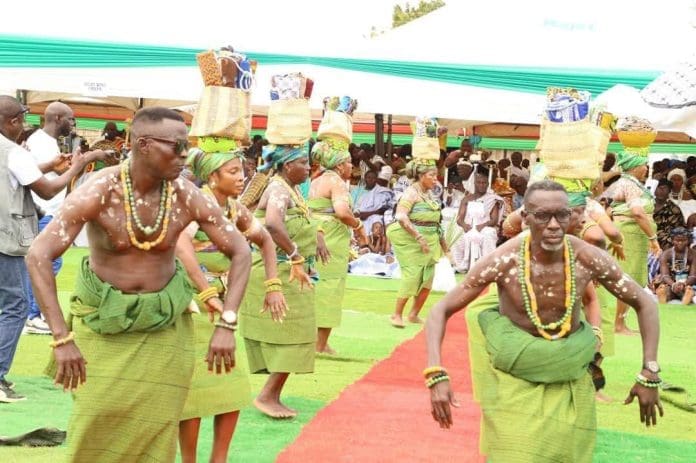
The festival featured what organizers described as rich cultural displays and pageantry, though specific details about performances and traditions showcased were not elaborated. Sométutuza joins numerous festivals across Ghana’s Volta Region, including the larger Hogbetsotso festival celebrated by the Anlo people, competing for attention and tourism revenue.
Torgbiga Adamah III’s concluding remarks urged all indigenes and residents to remain peaceful and united “as we work together for a better and prosperous Somé.” This emphasis on unity likely reflects awareness that internal divisions can hamper development efforts and weaken communities’ ability to advocate effectively for resources.
The festival’s celebration represented both achievement and aspiration for Somé—achievement in reviving cultural traditions after years of disruption, and aspiration for the infrastructure development that might translate cultural capital into improved living conditions for residents. Whether the attention generated by annual celebrations translates into sustained development momentum depends partly on how effectively traditional leaders, political representatives, and residents can maintain pressure on government and other stakeholders beyond festival season.
For now, Sométutuza serves multiple purposes: preserving cultural identity, strengthening community bonds, potentially attracting tourism interest, and providing a platform for articulating development needs to visiting officials. The challenge lies in converting these annual moments of visibility into concrete improvements addressing the basic infrastructure gaps that continue limiting opportunities for Somé residents.